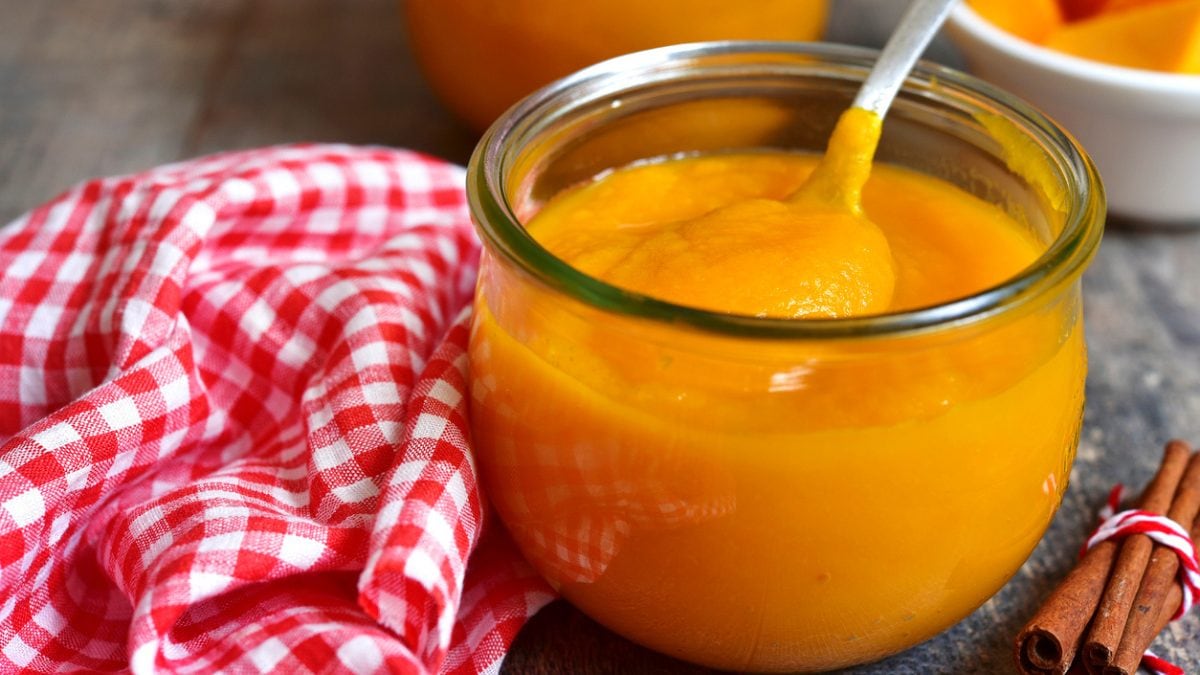
Canned pumpkin is one of the great American shortcuts, a pantry staple that turns weeknight meals into something cozy and holiday desserts into something nostalgic. But for such a simple ingredient, people manage to misuse it constantly. From confusing purée with pie filling to drowning recipes in unnecessary spices, canned pumpkin is one of those ingredients that rewards you generously if you treat it right… and punishes you with bland mush if you don’t.
#1: Grabbing “Pumpkin Pie Filling” Instead of Pumpkin Purée
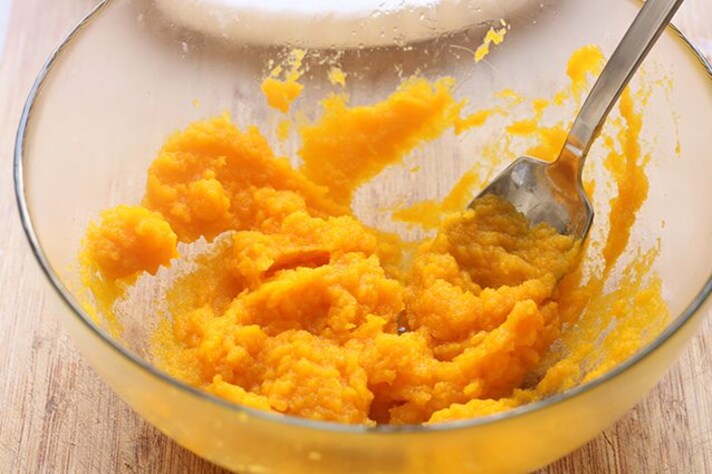
This is the classic canned-goods mix-up. Pumpkin purée is just pumpkin — nothing else. Pumpkin pie filling is pumpkin mixed with sugar, spices, and stabilizers, designed for one job: pie. If you use it in pasta, soup, muffins, or savory dishes, you end up with something that tastes suspiciously like dessert… even when it shouldn’t. Always check the label. The can should say 100% pumpkin and list only pumpkin as the ingredient.
#2: Assuming All Canned Pumpkin Is Created Equal
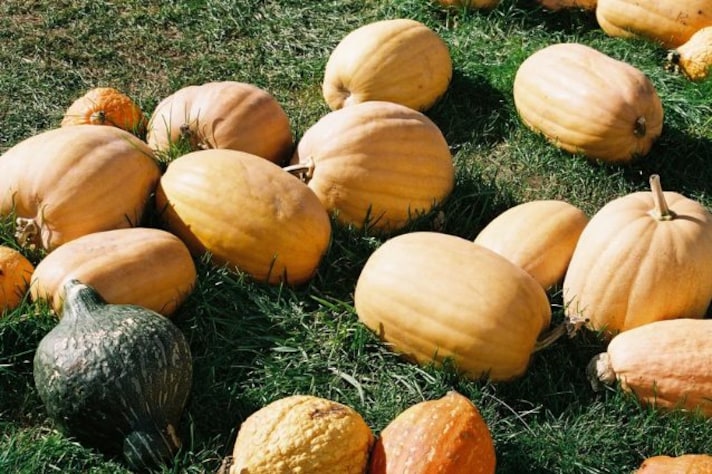
Here’s the little secret: many brands of “pumpkin” purée are actually made with Dickinson squash — the sweet, creamy variety used in commercial pie production. It’s perfectly legal and totally delicious, but flavors vary widely between brands. Some purées are watery, others are thick and velvety, and a few taste almost earthy. If your recipe depends on pumpkin flavor (like pie or quick bread), using a brand you don’t love can make a noticeable difference.
#3: Using Canned Pumpkin Straight From the Can
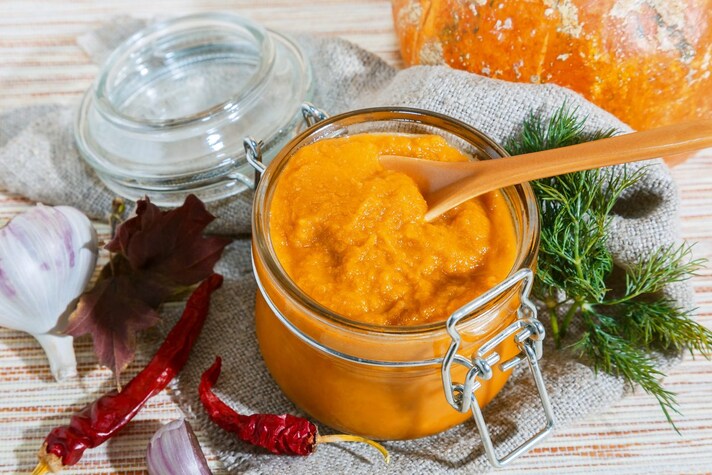
Canned pumpkin often benefits from a little “pre-game.” Using it straight from the can works, sure, but warming it briefly in a skillet concentrates its flavor and evaporates excess moisture.
This is especially important for:
- pies
- cheesecakes
- cookies
- savory pastas
A quick sauté deepens the pumpkin’s natural sweetness and prevents soggy baked goods. Think of it as taming its canned-pumpkin energy into something more caramelized and confident.
#4: Over-Spicing Everything

Americans love pumpkin spice so much, we’ve caffeinated it. But canned pumpkin has a delicate flavor — earthy, slightly sweet, and quietly vegetal. When you throw too much cinnamon, nutmeg, and clove at it, the pumpkin flavor disappears under a blanket of spice. Use spice the way chefs recommend: intentionally, not aggressively. Let pumpkin taste like pumpkin, not like a candle.
#5: Forgetting to Salt Your Pumpkin

Pumpkin is naturally mild, which is a polite way of saying: it needs seasoning. Even in desserts, a small pinch of salt brings out its sweetness. In savory dishes like risotto or curry, pumpkin without salt tastes like baby food — which is not the culinary direction anyone wants. Start with a little salt, taste, and adjust. Pumpkin likes boldness.
#6: Ignoring Texture in Savory Recipes

Pumpkin purée is thick and creamy, which makes it great for soups and sauces, but also easy to overdo. Adding too much can turn a pasta sauce into wallpaper paste. Chefs recommend thinning pumpkin with broth, cream, or even a splash of pasta water to keep it silkier and less glue-like. The goal is velvety, not dense. Pumpkin should hug the pasta, not smother it.
#7: Treating Canned Pumpkin as a “Seasonal” Ingredient Only
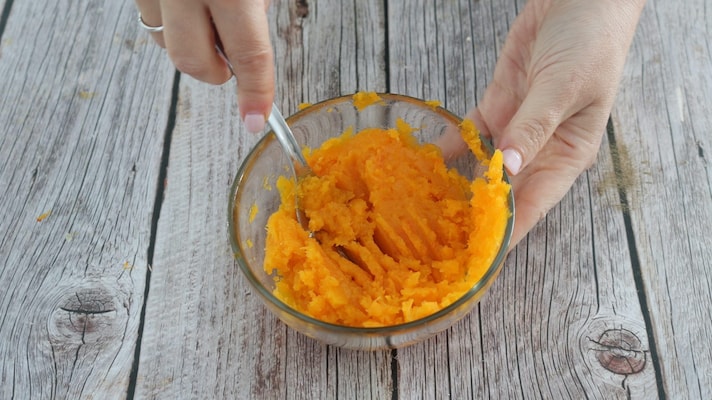
Here’s the real shocker: canned pumpkin is not just for fall. Its mild flavor and creamy texture make it a year-round secret weapon for boosting soups, adding silkiness to oatmeal, enriching chili, thickening smoothies, and replacing some of the fat in baked goods. Your can doesn’t care if it’s October or April — and neither should your recipes.
#8: Not Draining Watery Pumpkin

Some brands of pumpkin purée are looser than others. If your pumpkin seems watery — especially if you’re making pie or cookies — straining it briefly through a fine-mesh sieve or cheesecloth can dramatically improve texture. This simple step prevents pies from cracking, quick breads from sinking, and sauces from sliding into baby-food territory.
#9: Forgetting That Canned Pumpkin Is Already Cooked

Unlike fresh pumpkin, canned pumpkin is fully cooked and ready to use. If you’re making soups or curries and you simmer it for too long, the flavor can dull and the texture can break. Add pumpkin toward the middle or end of cooking when using it in simmered dishes. Canned pumpkin has done most of the heavy lifting already — you just need to introduce it at the right time.
#10: Expecting It to Taste Like Fresh Pumpkin
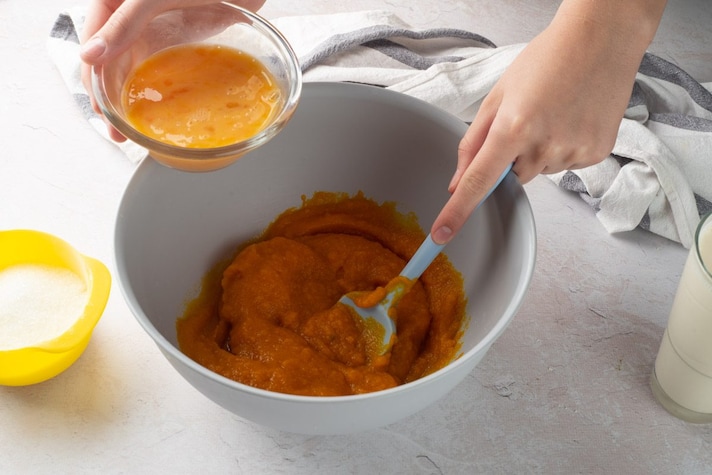
Fresh pumpkin and canned pumpkin are cousins — not twins. Fresh pumpkin tends to be lighter, more vegetal, and a little stringier. Canned pumpkin is dense, smooth, and naturally sweeter due to the squash variety used. If you’re swapping one for the other, expect differences in texture and flavor. And in case you’re wondering: canned pumpkin wins in baking almost every time.
;Resize,width=767;)
