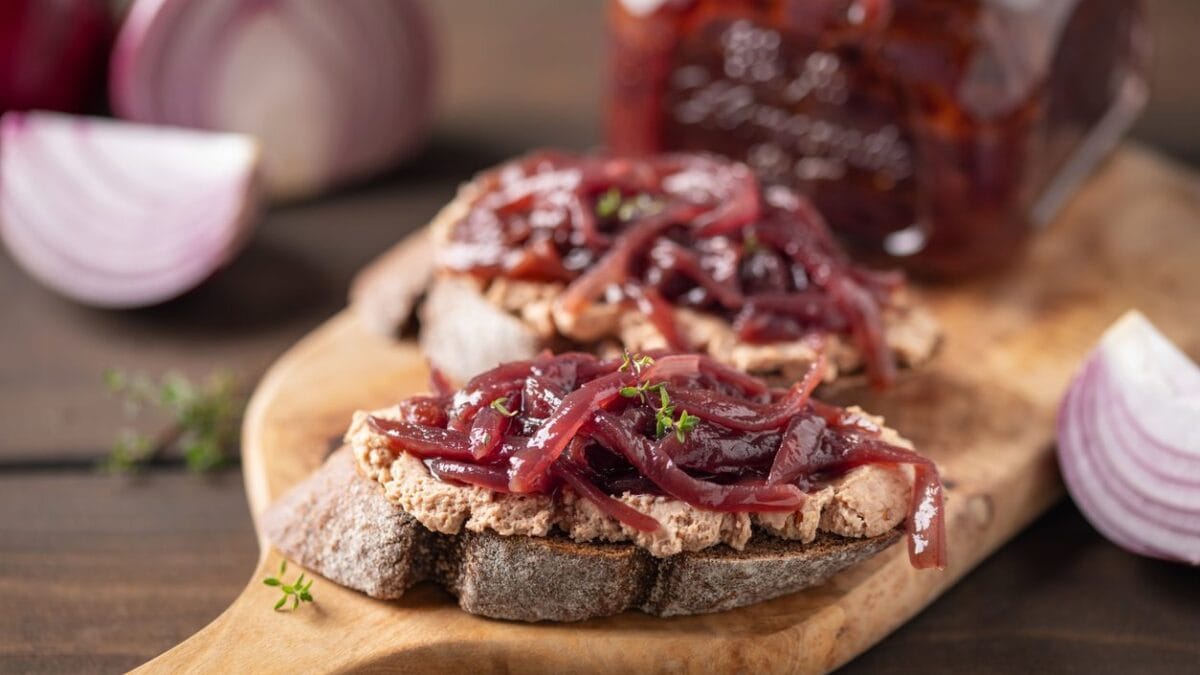
Sweet, soft, and golden-brown, caramelized onions are a culinary masterpiece: perfect for sprucing up burgers, accompanying cheeses, enhancing a roast, or even making a simple slice of toast special. Making them at home, however, often requires time and patience, as achieving that melting consistency and intense flavor isn't always easy. What if there was a simple trick to speed up the process, without having to wait around at the stove? The solution could be found in an ingredient almost everyone already has in their pantry, but which we usually use for a completely different purpose: baking soda. When added in the right amounts and without overdoing it, it can speed up the cooking time of caramelized onions. It's a trick used by many chefs, but you need to learn the right quantities because the risk of ruining the onions is just around the corner. Here's what you need to know about this method, how to use it correctly, and what to consider before trying it.
Why Onions Need Slow Cooking
Caramelized onions are one of those ingredients that can transform even the simplest dish, thanks to their soft texture and sweet, intense, and slightly toasted flavor. Achieving this result, however, usually requires a bit of patience: onions don't turn golden and sugary simply by increasing the heat; they require slow, gradual cooking to allow their components to transform without burning. When you slice them and pan-fry them with a drizzle of oil or a knob of butter, they begin to lose some of the water contained within their tissues, soften, and become progressively more translucent. As the moisture evaporates, the temperature can rise, favoring a series of chemical reactions responsible for the amber color and typical caramelization aromas.
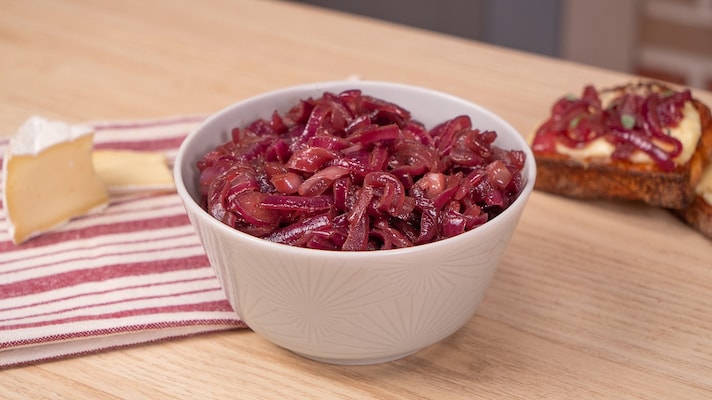
The main contributors to this result are the transformation of the onion's naturally occurring sugars and other browning reactions, including caramelization and the Maillard reaction. The process takes time because the water initially released by the onions keeps the preparation temperature relatively low and because the heat must be distributed evenly, allowing the sugars to develop complex flavors without the more exposed parts browning too quickly. Too high a flame, in fact, risks burning the surface while the interior is still undercooked, producing bitter notes instead of the rounded sweetness and golden brown color that make caramelized onions so irresistible. This is why, in the traditional preparation, it is necessary to stir frequently and let the heat do its work gradually: it is precisely this slow transformation that gives the onions an almost creamy consistency and a deep flavor, very different from that of simple sautéed onions.
How Baking Soda Speeds Up Maillard Reaction
The trick to speeding up the preparation of caramelized onions is to add a very small amount of baking soda to the pan, a very common ingredient in the kitchen which, in this case, acts by modifying the pH of the preparation. Baking soda, in fact, is an alkaline substance and, when it comes into contact with the water released by the onions during cooking, makes the environment less acidic and more basic. This change especially favors the Maillard reaction, the complex set of chemical transformations between reducing sugars and compounds containing amino groups that contributes to the formation of the brown color and intense, toasted, and enveloping aromas. In more alkaline conditions, these reactions can proceed more rapidly, allowing the onions to develop a golden color and a more complex flavor profile in less time.
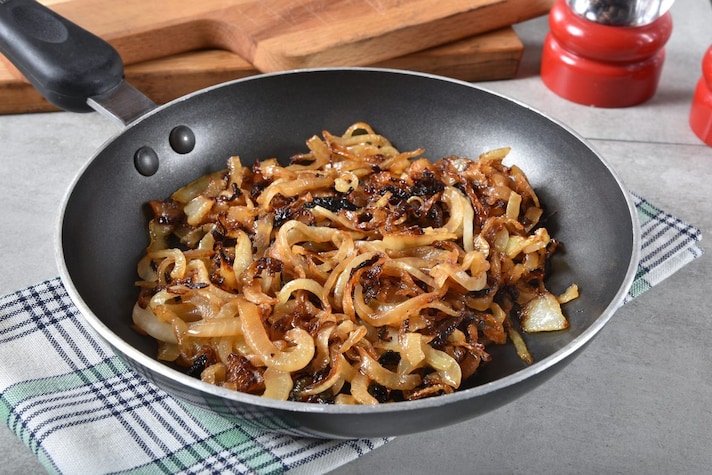
But the effect of baking soda isn't limited to color: the increase in pH also promotes the degradation of cell walls and substances that help maintain the compact structure of plant tissues, including pectin. As a result, onions lose consistency more quickly, softening and tending to become almost creamy, significantly reducing the time needed to obtain a soft and well-browned dish. It's precisely this dual action that makes this method interesting for speeding up cooking times, but it's essential to pay attention to the quantities: just a pinch is enough, because too much baking soda can make the onions excessively soft, compromising their texture and leaving an unpleasant, slightly alkaline or soapy aftertaste. Furthermore, it's important to remember that baking soda doesn't directly caramelize sugars and doesn't completely replace slow cooking: it accelerates some chemical reactions and the softening of the tissues, but to achieve a balanced flavor and a good browning, it's still necessary to monitor the heat and stir carefully.
How Much Baking Soda to Use and When to Add It
To get the most out of the baking soda trick without compromising the flavor and texture of the onions, the key rule is to use a very small amount. For about 500 grams of already cleaned and sliced onions, simply add 1/4 teaspoon of baking soda, equal to about 1 gram. The smaller amount is generally the best starting point, especially if you want to keep the onions soft but not mush them, and achieve a sweet, golden result without turning them into a puree. The exact amount can vary depending on the type of onion, the desired degree of softness, and the cooking time, so it's better to proceed cautiously rather than excessively. The timing of addition is also important: after slicing the onions, pour a drizzle of oil into a large pan and let them cook over medium-low heat for a few minutes, stirring until they begin to soften and release their water. Only at this point add the bicarbonate, preferably previously dissolved in a teaspoon of water, so as to avoid it concentrating in just one spot.
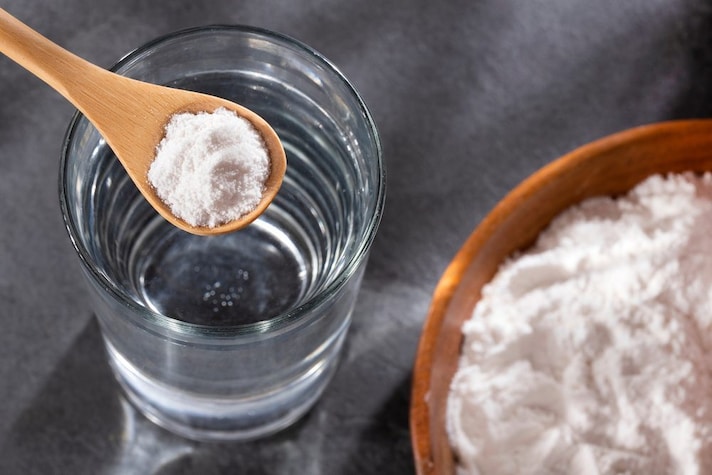
Once added, stir well and continue cooking, checking the consistency and color frequently: thanks to the more alkaline environment, the onions will tend to soften and darken more quickly than with the traditional method. It's therefore important to lower the heat if the browning is proceeding too quickly and, if necessary, add a drop of water to prevent the bottom of the pan from drying out excessively or the onions from sticking. A key precaution is not to confuse speed with the need to increase the heat: baking soda accelerates some chemical transformations, but it doesn't prevent the sugars from burning if the temperature becomes too high.
The Risks for Consistency, Flavor and Color
Although baking soda is a useful ally in speeding up the preparation of caramelized onions, its use has some potential disadvantages that should not be underestimated, mainly due to the addition of an excessive amount. The first concerns texture: since the alkaline environment promotes the degradation of pectin and the weakening of the structures that hold plant cells together, the onions can soften very quickly, to the point of losing their shape and transforming into an almost creamy mass. Another aspect to consider is flavor. Baking soda is alkaline in nature and, if added in excessive quantities, can leave an unpleasant, slightly bitter, salty, or soap-like note, which alters the onion's natural sweetness and covers some of its aromatic nuances.
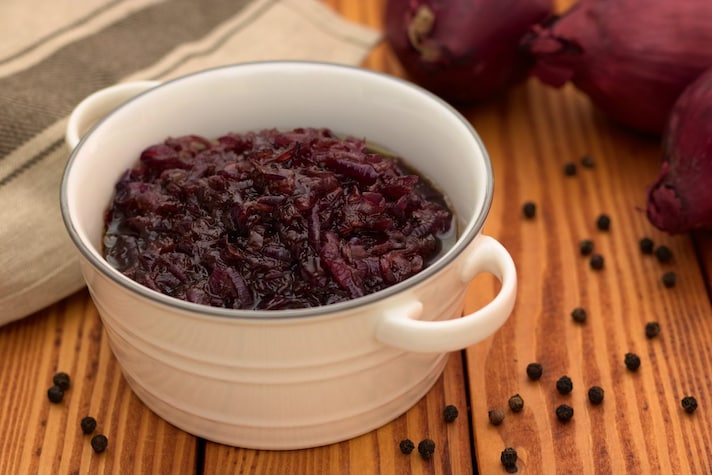
Furthermore, increasing the pH alters the way the reactions responsible for color and aroma develop: while it can accelerate browning, it can also promote overly intense or uneven coloring, resulting in very dark onions before they have developed the aromatic complexity typical of slow cooking. The speed with which onions darken can make it more difficult to know the right moment to stop cooking, increasing the risk of burning and bitter notes, especially if the pan is too hot or if the mixture becomes particularly dry. To limit these problems, the solution is to use only a very small amount of baking soda, distribute it evenly, and check the preparation frequently, without relying solely on color to assess doneness.

