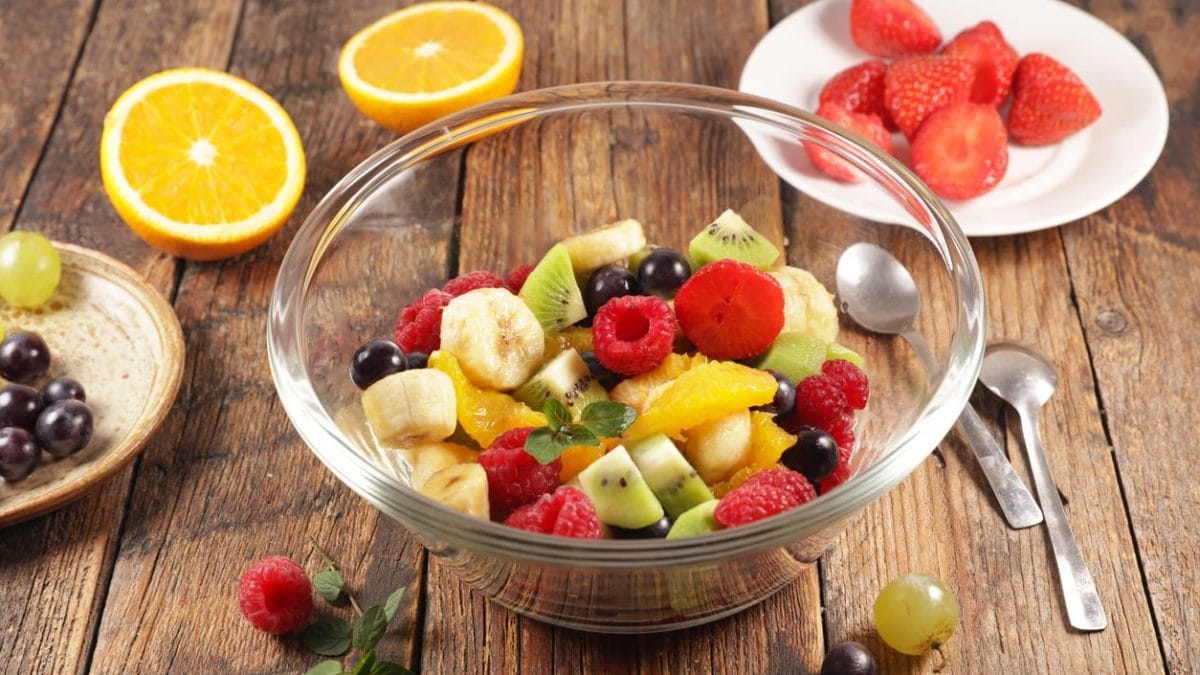
Fruit salad is one of the simplest and most versatile home-cooked desserts, but it often presents a common problem: after just a few hours in the refrigerator, some fruits turn black, others become mushy, and still others release large amounts of liquid, compromising the texture and appearance of the dish. The result is a less appealing dish, with discolored fruit pieces and a large amount of juice at the bottom of the container.
The main cause is linked to the natural characteristics of different fruits: some are particularly sensitive to oxidation, the process that causes the pulp to blacken when exposed to air. Others, however, have a very delicate structure or a high water content that tends to deteriorate rapidly after cutting.
To avoid these problems, it's important to choose varieties with firm flesh, which are less prone to oxidation and maintain a good consistency even after several hours of refrigeration. Furthermore, some fruits naturally contain acids that help preserve the color and freshness of the entire dish. Here are the best fruits to use in a fruit salad prepared ahead of time and what steps to take to keep it perfect until you're ready to eat it.
Not all fruits maintain the same consistency after cutting: some blacken quickly, while others release a lot of water and tend to soften. Here are the varieties that hold up best in the refrigerator and allow you to prepare a fresh, colorful, and inviting fruit salad even several hours in advance.
1. Pineapple
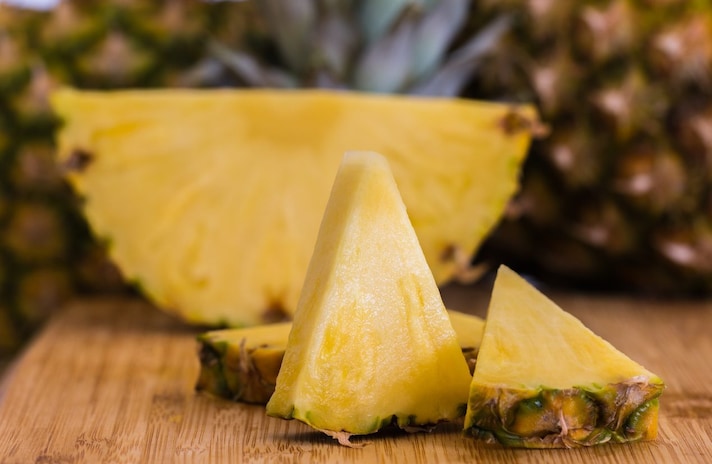
Pineapple is one of the most reliable fruits for fruit salad, especially when you want to prepare it several hours in advance. Its firm, compact flesh maintains its consistency very well even after a long refrigeration period, without becoming mushy or losing excessive liquid. Furthermore, its sweet flavor with light acidic notes helps balance the overall flavor of the dish.
Another advantage of pineapple is its high resistance to oxidation: unlike apples, pears, or bananas, it doesn't tend to change color after cutting and retains its characteristic bright yellow hue for a long time. For best results, choose a ripe but still firm fruit, carefully remove the fibrous center, and cut the pulp into evenly sized cubes that will maintain a pleasant texture even the next day.
2. Grapes
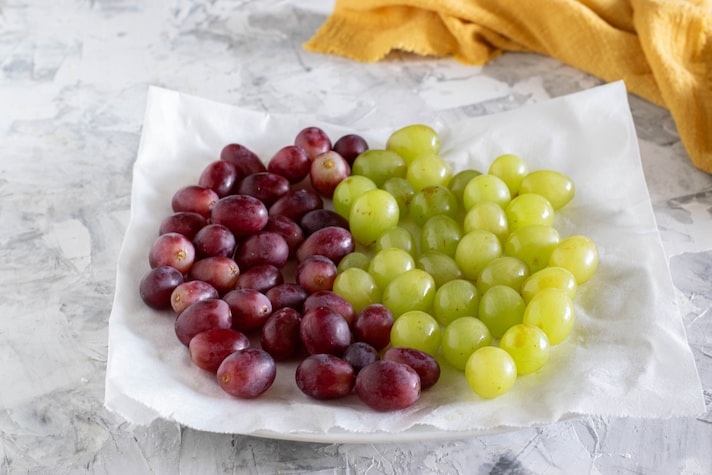
Grapes are among the most practical ingredients to use in fruit salads because they don't require any special treatment and maintain their characteristics for many hours. The grapes retain a crunchy and juicy texture without becoming excessively soft, contributing to the dish's varied texture. Seedless varieties are particularly suitable because they are easier to eat and result in a more enjoyable dish. White and black grapes can be used together to create a pleasant color contrast, while larger grapes can be cut in half to better distribute the flavor throughout the fruit salad. Even after refrigeration overnight, grapes generally maintain an excellent texture.
3. Melon
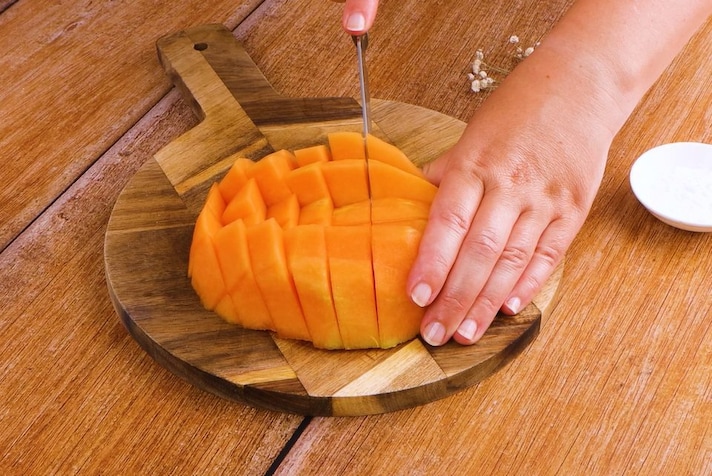
Melons are one of the best choices during the summer season thanks to their natural sweetness and ability to maintain a good structure after cutting. When chosen at the right stage of ripeness, they offer a firm flesh that holds up well to storage without falling apart quickly. For a longer-lasting fruit salad, it's best to use ripe but not overly soft melons. Cutting them into fairly large cubes also helps limit the loss of liquid during storage. Cantaloupe and netted varieties are particularly popular because they combine a good texture with an intense aroma that pairs easily with many other fruits.
4. Watermelon
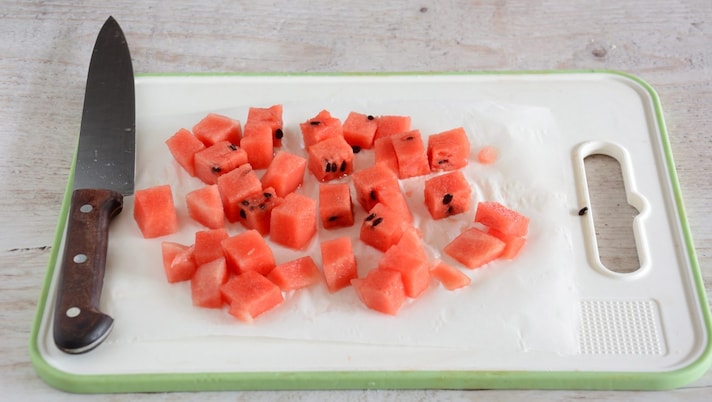
Watermelon is a popular ingredient in summer fruit salads for its extraordinary freshness: despite its high water content, when chosen firm, it maintains a good consistency for several hours, especially if stored properly in the refrigerator. To prevent the fruit salad from becoming too watery, it's important to remove any overly ripe pieces and use evenly sized, medium-to-large cubes. Watermelon pairs particularly well with firmer fruits like pineapple, grapes, and mango, which help balance its natural tendency to release moisture over time.
5. Mango
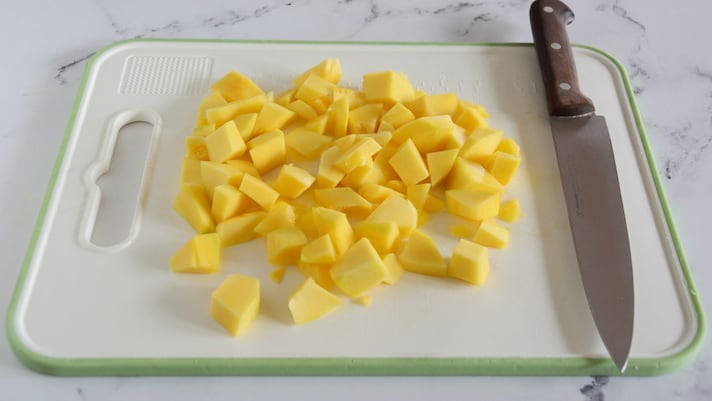
Mango is one of the most suitable tropical fruits for fruit salads that can be stored for several hours: its firm, creamy flesh holds its structure well without falling apart, while also offering a pleasant sweetness that enriches the entire dish. A mango harvested at the right level of ripeness retains its bright color and doesn't tend to brown quickly. Furthermore, its texture remains pleasant even after prolonged refrigeration. For best results, it's best to use ripe fruit that's still firm to the touch, avoiding overly soft ones that could spoil more quickly.
6. Kiwi
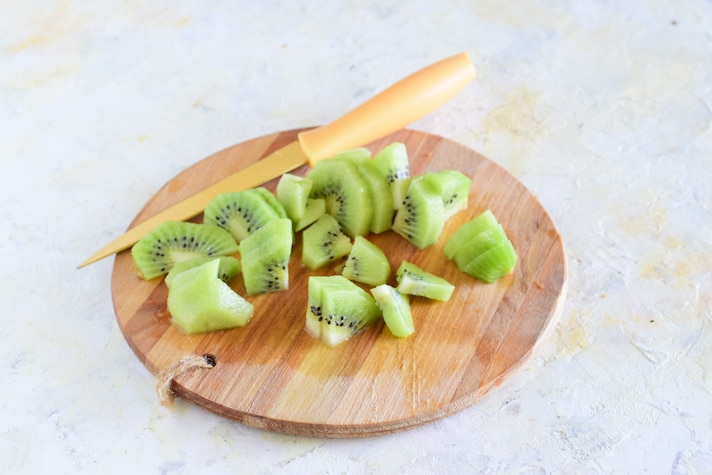
Kiwi is one of the most interesting fruits to include in a fruit salad because it combines good shelf life with a natural acidity that helps keep the dish fresher. Its flesh retains a satisfying consistency even several hours after cutting. From an aesthetic standpoint, it also adds a pleasant color contrast thanks to its bright green color and the characteristic arrangement of the seeds. For best results, it's best to choose ripe but still firm kiwis, avoiding overly soft ones that could quickly lose their structure during storage.
7. Strawberries
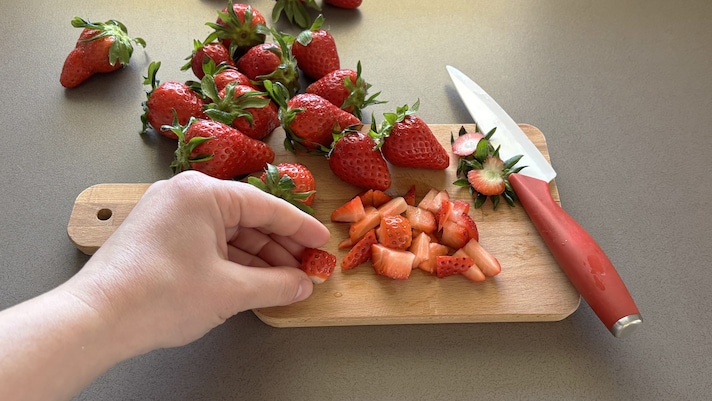
Strawberries are among the most popular fruits in fruit salads thanks to their intense aroma and vibrant color. Although more delicate than pineapples or grapes, they can offer excellent results if used while very fresh and still firm. To best preserve their quality, it's best to wash them quickly, dry them carefully, and cut them shortly before preparing them: overripe strawberries tend to release liquid and soften quickly. When chosen correctly, however, they maintain a good consistency for several hours, especially if stored at low temperatures.
8. Blueberries
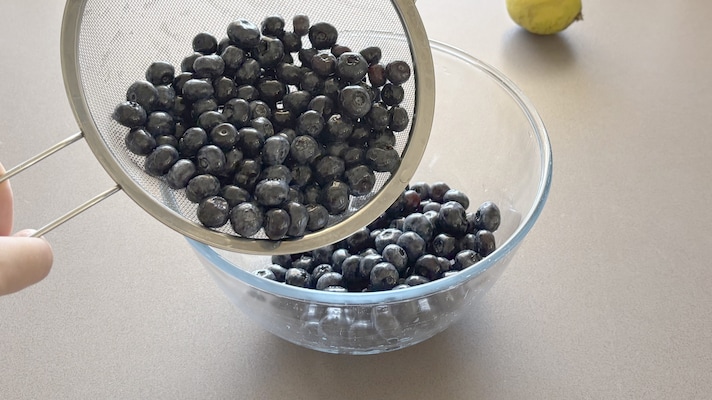
Blueberries are probably the fruit that lasts best in a fruit salad: thanks to their thin but resistant skin, they retain their shape, texture, and color even after many hours of refrigeration. Besides not browning or releasing significant amounts of liquid, they add a delicate aromatic note that pairs easily with both sweeter and tarter fruits. They are also very practical because they can be used whole, without the need for cutting or special preparation.
9. Raspberries
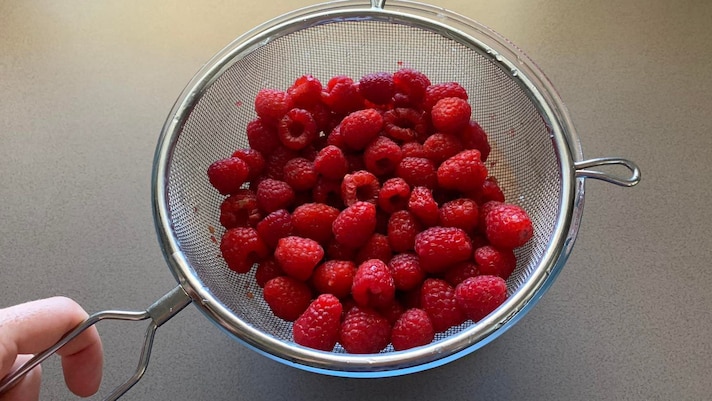
Raspberries have a more delicate texture than blueberries, but they can still be a great addition to a well-balanced fruit salad. Their slightly tart flavor contributes to the dessert's aromatic profile. For best results, it's best to add them late in the preparation process or just before serving. This way, they maintain their structure better and avoid crushing under the weight of the other ingredients. If stored properly, they can still maintain their good quality for a day.
10. Oranges
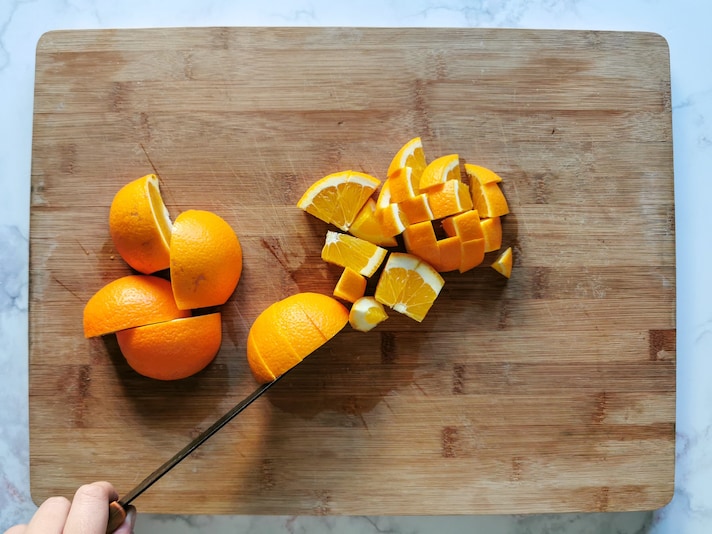
Oranges serve a dual purpose in fruit salads. In addition to providing sweetness, freshness, and a pleasant citrus note, their juice naturally helps slow the oxidation processes that affect more delicate fruits. Peeled segments maintain a good texture and gradually release their juice, helping create a flavorful base that enhances the other ingredients. They are particularly suitable for fruit salads prepared in advance because of their ability to help preserve the fruit's overall color.
Fruits That Blacken or Become Soft More Easily
Not all fruit is equally suitable for a fruit salad intended to be kept for several hours: some fruits, in fact, begin to deteriorate rapidly once cut, compromising both the appearance and consistency of the preparation.
Bananas are probably the best-known example: their pulp oxidizes very quickly and tends to darken after just a few dozen minutes; apples and pears can also quickly blacken when exposed to air, especially if not protected with lemon or citrus juice. Very ripe peaches, apricots, figs, and some types of plums are also particularly delicate: these fruits have a tender pulp that tends to break down easily during storage, releasing juices that can make the fruit salad excessively runny.
This doesn't mean they should be completely excluded: if you want to use them, it's advisable to add them just before serving or include them in dishes that will be consumed within a few hours.
Tips to Prevent Fruit Salad From Turning Black or Watery
Even choosing the right fruit, a few simple tips can make a difference in preserving your fruit salad. From choosing the fruit to how it's cut and stored, every detail helps maintain its color, texture, and freshness longer. Here are the rules to follow for a consistently appealing and well-preserved fruit salad.
- Choose firm, not overly ripe fruit. Overripe fruit tends to deteriorate quickly once cut, losing its texture and releasing more juice. Using firm fruit, on the other hand, allows the fruit to maintain a pleasant texture longer and better preserve the overall appearance of the dish.
- Add lemon or orange juice. Citrus fruits contain natural acids that help slow the oxidation processes responsible for blackening the pulp: a small amount of juice evenly distributed over the fruit is often enough to preserve its color without significantly altering its flavor.
- Cut fruit into pieces that aren't too small. Excessively small pieces have a larger surface area exposed to the air and therefore tend to spoil more quickly: medium-large cubes or wedges maintain their texture better and reduce the loss of liquid during storage.
- Store your fruit salad in an airtight container. Continuous exposure to air accelerates oxidation and promotes loss of freshness. A tightly closed container limits contact with oxygen and helps preserve the fruit's aroma, color, and texture for a longer period.
- Always keep it well refrigerated. The cold slows down the natural deterioration processes and allows the fruit to maintain its organoleptic characteristics for longer: the ideal temperature for storing a fruit salad is generally between 39-42°F/4-6 °C.
- Add more delicate fruits at the last minute. Fruits like bananas, apples, pears, and some very ripe fruits should be added just before serving: this reduces the risk of browning and preserves a more pleasant texture until serving.
- Avoid constant stirring. Stirring the fruit salad too frequently can break down the pulp of the more delicate fruits and accelerate the release of juice; it's best to gently mix the ingredients only once, avoiding unnecessary handling during storage.
- Best consumed within 24 hours. Even when choosing the most resilient fruits, fruit salad expresses its best qualities in the first few hours after preparation: this way, you can fully appreciate its freshness, consistency, and flavor, avoiding the natural deterioration that occurs with the passage of time.
;Resize,width=767;)
