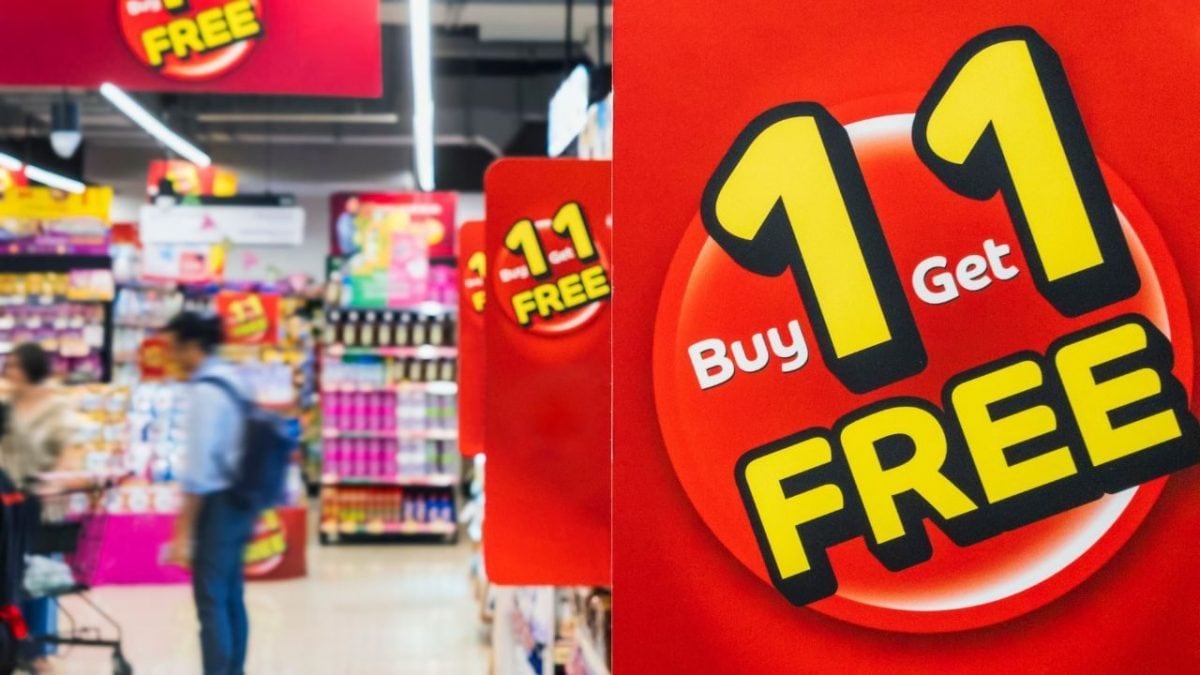
As of Wednesday, October 1st, the "Buy 1 Get 1 Free" sign has disappeared from English supermarkets: all price promotions on all products considered unhealthy have been banned. This represents a small but significant turning point in the fight against obesity, which the British government has been working on for some time.
"They Don't Help You Save Money, They Encourage Impulse Purchases"
Since the beginning of October, the "buy one, buy one" offer—also popular here in the U.S.— has been discontinued in British supermarkets, large retailers, and online stores. This measure, which the British government had been considering for some time, was repeatedly postponed due to the cost of living crisis. The reason behind this decision is clear: to avoid incentivizing people to buy all those foods that could be harmful to their health.
While this type of offer is intended to provide support and assistance to those facing financial difficulties, it also encourages convenience– driven purchases. Greg Fell, president of the Association of Directors of Public Health, explained to the BBC that "multi-buy promotions don't save people money; on the contrary, they encourage them to spend more. They are designed to encourage impulse purchases and normalize increasingly frequent purchases." When it comes to products such as sweets, biscuits, fizzy drinks, crisps, cakes, and ice cream, they simply incentivize their consumption: but, as we all know, it is precisely these foods that are one of the main causes of obesity, in adults and especially in children.
A spokesperson for England's Department of Health and Social Care said: "Obesity deprives children of the best possible start in life, predisposes them to a lifetime of health problems and costs the NHS billions."

British Initiative Against Obesity
With the advent of globalization, the constant growth of fast food outlets in every city, and the rise of ultra-processed foods, obesity is on the rise: which is precisely why the United Kingdom has adopted (and will adopt) a series of measures to combat this sad trend. One example comes from the ban on displaying products considered unhealthy in strategic locations, such as near checkouts and entrances: according to a study conducted by the University of Leeds, thanks to the introduction of this measure in 2022, approximately two million fewer items were sold per day.
While some initiatives have already been implemented, others will have to wait a little longer: the decision to ban junk food ads on TV before 9 pm was supposed to come into force this October, but it appears to have been postponed until this January. In any case, the government has promoted numerous initiatives—such as banning junk food ads online —and it appears other countries, such as Scotland and Wales, are moving to adopt similar measures.
;Resize,width=767;)
