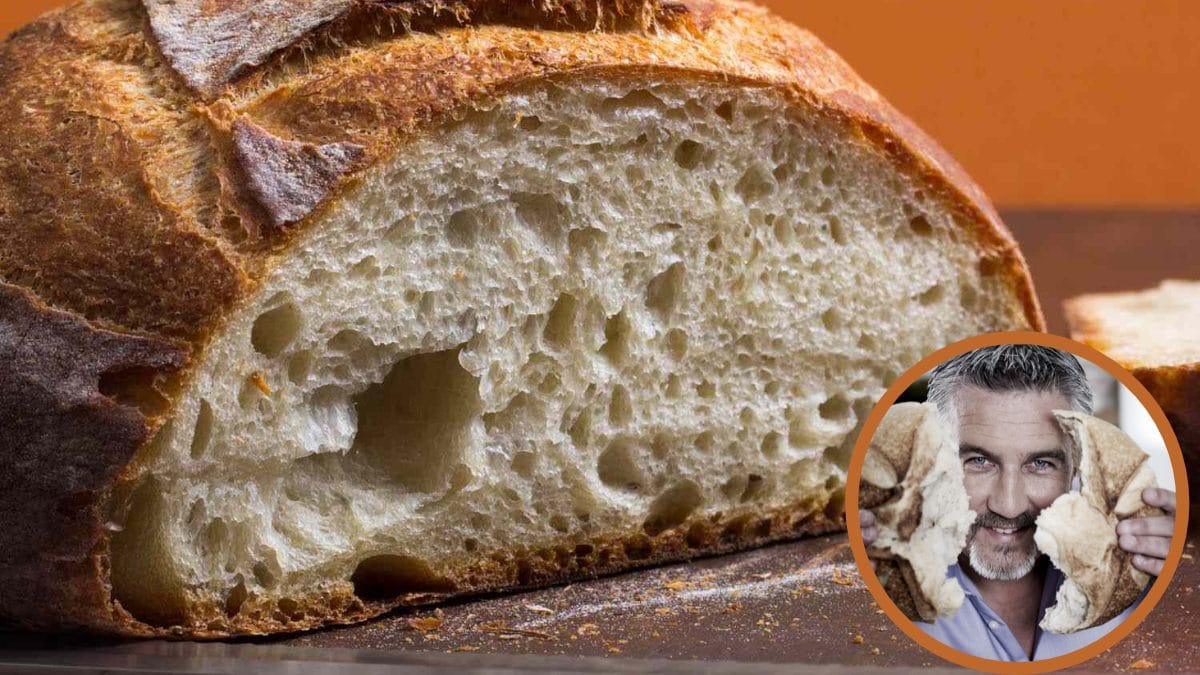
For generations, home bakers have been handed the exact same non-negotiable rule when opening a packet of yeast: always use warm water. We are taught that yeast is a delicate organism that requires a warm, cozy environment to awaken, and that cold liquid will stun it into inaction. However, according to The Great British Baking Show judge and master baker Paul Hollywood, using warm water is one of the biggest misconceptions in home baking.
Rushing your dough with warm water might actually be the primary reason your homemade loaves lack flavor depth, dry out quickly, or develop an overly yeasty, beer-like aftertaste.
Why Cold Water Makes Superior Bread
When you mix yeast with warm water, the yeast organisms multiply at high speed, producing carbon dioxide rapidly. While this makes your dough balloon in size quickly, it shortcuts the most vital phase of bread making: fermentation time.
As yeast ferments slowly, it breaks down complex starches into organic acids and aromatic compounds. A fast, warm rise skips this chemical breakdown, leaving you with bland bread. Cold water slows the yeast down, extending the proofing window and allowing rich, nutty, and complex flavors to develop naturally.
Warm dough can easily over-proof, becoming sticky, fragile, and prone to collapsing once it hits the hot oven. Cold water keeps the dough temperate, giving you a tighter gluten network and complete control over shaping. Chef's Tip: If you are baking in a hot summer kitchen, Hollywood even recommends using iced water to counteract ambient room temperature and keep the fermentation process slow and controlled.
3 More Bread Myths Busted by Paul Hollywood
Rethinking your water temperature is just the starting point. Hollywood regularly challenges several other traditional baking rules to guarantee a better loaf:
1. "Dust Your Work Surface with Flour Before Kneading"
Dusting your countertop with raw flour while kneading seems natural, but as you work, the dough absorbs that extra dry flour. This alters your carefully measured hydration ratio and turns your finished loaf dense and dry. The Fix: Lightly coat your work surface and hands with a splash of olive oil instead. It prevents sticking without changing the balance of flour to water.
2. "Salt and Yeast Can Be Mixed Together directly"
Salt is essential for flavor and controlling yeast growth, but direct contact with concentrated salt will dehydrate and kill yeast cells instantly. The Fix: When measuring ingredients into your mixing bowl, pour the flour in first. Place the yeast on one side of the bowl and the salt on the opposite side. Mix each separately into its side of the flour before bringing the entire batch together.
3. "Bread Needs a Hot Environment to Rise"
Placing your dough next to a hot radiator or inside a warm oven accelerates the rise too quickly. The Fix: Let your dough rise at normal room temperature—or even perform the first rise overnight inside the refrigerator. A cool, slow rise yields a silkier crumb structure and far superior flavor.

How to Put the Cold Water Method into Practice
- Weigh your flour, instant or active dry yeast, salt, and water. Reach for cold tap water straight from the faucet.
- Place salt and yeast on opposite sides of your flour bowl before adding the cold water.
- Grease your countertop with a teaspoon of olive oil and knead until smooth, elastic, and supple (roughly 8 to 10 minutes).
- Cover the bowl with a damp towel and let it rise at room temperature until doubled in size.
- Before sliding your loaf onto the middle rack, pour a cup of cold water into a preheated roasting tray sitting on the bottom oven rack. The burst of steam keeps the outer crust soft long enough for maximum expansion before baking into a crackly, glossy crust.

