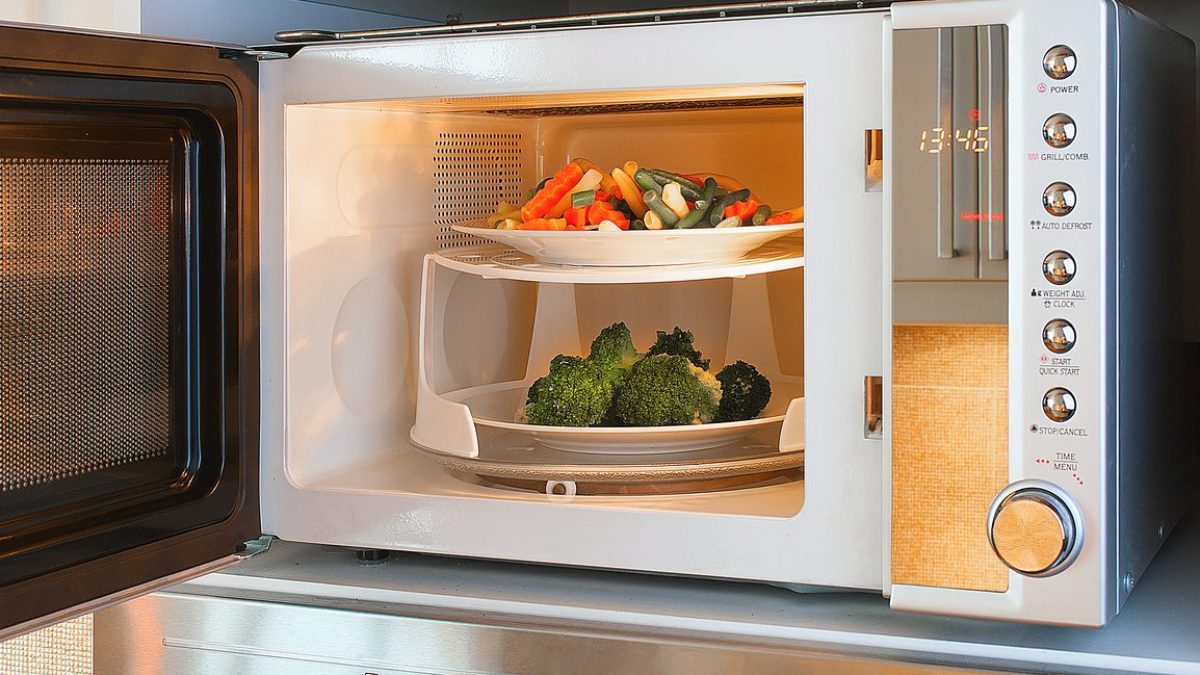
Practical, compact, multifunctional: the microwave oven is a versatile ally used primarily for reheating pre-cooked foods, including lunchboxes, but it can also be used to defrost and cook food. While it may seem like a relatively recent invention, having only begun to spread around the world in the 1980s and 1990s, its "discovery" actually dates back to World War II in the United States, when engineer Percy Spencer, working on improving military radar, discovered that the microwaves from the magnetron —the thermionic valve that forms the heart of the future appliance—could be applied to the kitchen and not just for military purposes, as they were responsible for melting a chocolate bar in a man's pocket. More than 70 years have passed since the first 340 kg model to the latest generation of easy-to-handle models. Despite their widespread use in homes and offices, there are still often prejudices surrounding microwaves, which suggest they are used improperly or not fully exploited. Let's summarize their advantages and disadvantages in this comprehensive guide.
How Does The Microwave Work?
Unlike traditional ovens, which cook food by conduction or radiation, microwave ovens use electromagnetic waves. These waves interact primarily with the water molecules present, which vibrate, overheat, and generate heat, reaching very high temperatures that allow both heating and cooking food. The process occurs quickly, with the heat remaining within the food without dispersing, thus saving time.
How to Reheat in The Microwave
This is the function for which this appliance has found widespread use and success: reheating previously cooked dishes, from baked pasta to soups, including quiches and omelettes, to have lunch and dinner ready quickly without dirtying pots and pans. The key is to ensure proper heat distribution throughout the dish, to avoid the risk of having colder parts. First of all, you need to adjust the power and time appropriately for the quantity of food being reheated (large or small portions) and the starting temperature (fridge or room temperature). Secondly, it's also good practice to cover food with suitable lids, which also prevents splashes from staining the sides, especially when it comes to soups, creamed soups, gravies, and sauces. Stirring also helps distribute the heat evenly.

How to Thaw Food in The Microwave
The ability to thaw is one of the reasons this appliance is particularly popular: it saves time compared to the classic "cold chain," which requires removing food from the freezer and leaving it in the refrigerator for the necessary hours. To ensure safe and successful thawing, the microwave must have a thawing function (generally indicated by an icon of a drop with a snowflake inside), specifically designed to perform the operation correctly and in just a few minutes, following the instructions for each model for different foods.
Can you thaw foods frozen in freezer bags in the microwave? The answer is yes, although it's always a good idea to check that the bag you used to freeze the food in is microwave-safe. Not all freezer bags are designed to withstand the heat of the microwave, so it's best to use bags labeled "microwave-safe." If you're unsure, you can transfer the food to a microwave-safe container.
How to Cook With The Microwave
A typically underutilized option—and one that has definitely faded into the background with the advent of air fryers —is the ability to actually cook recipes in the microwave. Quick and easy are sweet preparations like mug cakes or custard, while others require more specific attention, especially regarding humidity control (which must be constant) and cooking times, ensuring all ingredients are uniform. For example, larger pieces of food require more time (a stew is better than a whole cut of meat; the same advice applies to vegetables, cutting them into evenly sized pieces), while some foods with skins retain steam more, risking "exploding": in this case, it's best to prick foods like sausages with their casings, tomatoes, apples, and potatoes.

What Materials Can You Put in The Microwave?
Not all kitchen containers and dishes are microwave-safe: glass, porcelain, microwave-certified plastic, which can withstand high temperatures (248-285°F/120-140°C and is recognizable by the specific symbol on the label, usually a small square with three parallel stylized waves), and even glazed ceramic (porous ones are likely to break), are all safe. Avoid all metallic materials, including cutlery, tin foil, and plates with gold or silver decorations, as they can cause sparks and damage the appliance.
What to Avoid Cooking/Heating in The Microwave
The microwave is ready to accommodate practically any food, but it is important to be careful about the effects this can have on the nutritional and organoleptic properties of some foods, without forgetting food safety aspects. Let's start with whole eggs, which engineer Spencer had already experimented with unsuccessfully, as they explode. Fresh chili peppers are also prohibited, since the capsaicin, the substance that makes them spicy, could become particularly irritating to the palate, in addition to being present in the steam, risking contact with the eyes and throat when the door is opened. Leftover rice, potatoes, and mushrooms are partially suitable, as the power of microwave waves is not sufficient to destroy any dangerous bacteria that may form during storage. Chicken is under special surveillance: its meat must be perfectly cooked to avoid incurring infections from salmonella and campylobacter: traditional cooking (in the oven or pan) at high temperatures ensures their elimination. There are no health problems for bread and pizza, however, they become soft, losing their fragrance, while the heat in the water of tea and herbal teas tends not to be distributed evenly in the cup, with the inside and the bottom potentially remaining lukewarm.

Is Microwave Cooking Harmful?
One of the most common questions concerns electromagnetic waves: is it true that they can cause cancer? The answer is no, as confirmed by the AACR (American Association for Cancer Research): these are non-ionizing radiations, meaning they do not have the energy needed to damage DNA and alter cellular structures. They have nothing to do with ionizing radiation (such as X-rays, gamma rays, and a limited portion of the sun's ultraviolet rays), which can actually pose a risk of oncological diseases. Furthermore, the appliance is also equipped with specific protections, such as the dense network of black dots on the glass door, which prevent these waves from escaping. More than the microwaves themselves, it is poorly stored foods (in the refrigerator and freezer) and insufficiently heated foods that are harmful.
How to Clean Your Microwave and Maintenance Tips
Like any household appliance, to function at its best and last a long time, the microwave must be kept in good condition. Since cleaning it after each use can be complicated in terms of time, it is sufficient to give it a more thorough cleaning once a week to remove food residues and any buildup that could cause not only damage but also unpleasant odors. It is advisable to use gentle detergents – unless specifically recommended by the manufacturer – and non-abrasive sponges, but soft cloths, so as not to damage the external coating or internal walls. To remove encrusted deposits, you can use a bowl of water and lemon and heat it briefly by turning on the microwave, so that the steam softens the dirt. The turntable, if present, should be removed and washed with hot water and dish soap, or soaked in a little vinegar if the stains are stubborn: remember to dry it well before reassembling it. An often overlooked element is the MICA sheet, made of cardboard or plastic, placed inside the chamber which serves to protect the oven components and diffuse the waves: if contaminated by residues it could cause sparks.

Alternative Tips and Tricks
For example, the microwave can be helpful for making bread dough rise at home by covering it and keeping it inside for about 15 minutes at the lowest temperature. Or you can steam it using a steamer suitable for the appliance (commonly available). A popular use is to melt chocolate instead of a double boiler. Furthermore, garlic cloves can be peeled very easily if held for about ten seconds, while pureeing onions before chopping them is a remedy for the typical watery eyes that this vegetable causes, thanks to the heat acting on the sulfur. So, we're not talking about DIY uses that could compromise the appliance, but rather tips that make life in the kitchen easier.
;Resize,width=767;)
