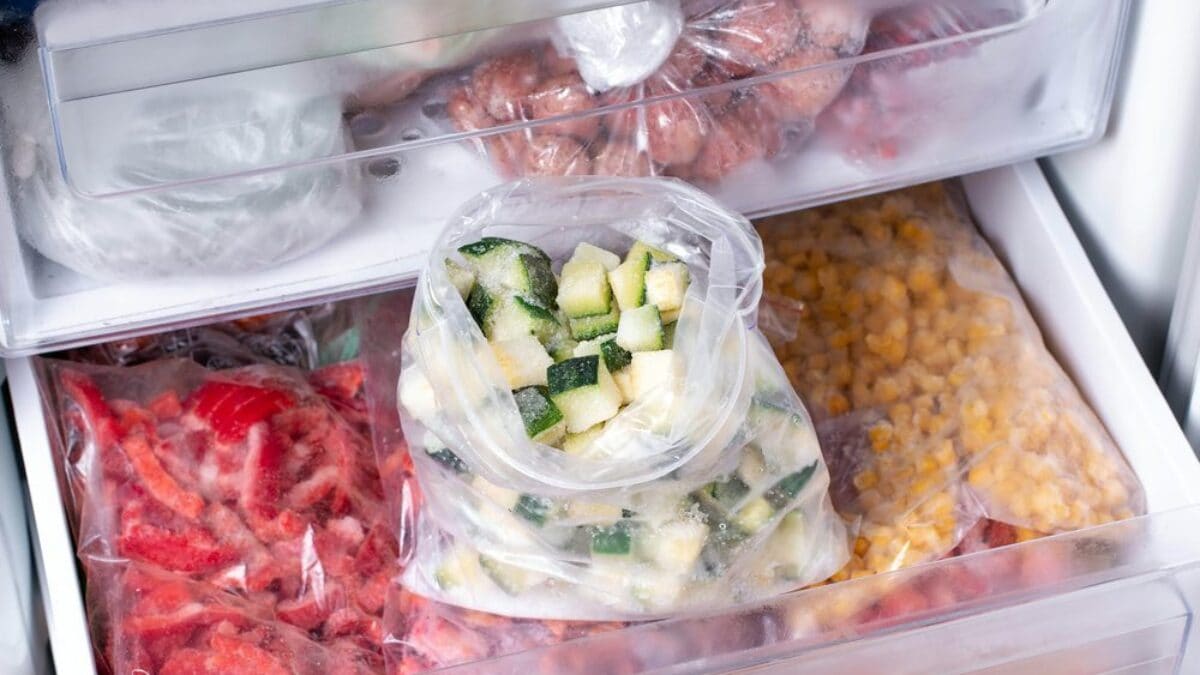
It feels like intuitive meal prep: you pull a bag of frozen broccoli or mixed vegetables out of the freezer and let them sit on the counter or in the fridge to thaw before dinner. You figure that starting with thawed ingredients will help them cook faster and more evenly. In reality, thawing frozen vegetables is the fastest way to turn crisp, vibrant produce into a drab, waterlogged mush.
Commercial frozen vegetables are flash-frozen at peak freshness using industrial blast freezers. This ultra-fast freezing process creates microscopic ice crystals within the plant tissues. However, the moment you allow those vegetables to slowly thaw at room temperature or in the fridge, those ice crystals melt, revealing the damage done to the plant's internal structure.
Ruined Cellular Structure
Plant cells are surrounded by rigid cell walls made of cellulose. When water freezes, it expands. As frozen vegetables thaw slowly on your counter, the melting ice causes liquid to leak out of the ruptured cell walls—a phenomenon food scientists call "drip loss." If you cook a thawed vegetable, that lost structural integrity means the vegetable can no longer hold its shape. Cooking them directly from frozen instantly sets the remaining plant structure, preserving a crisp-tender bite.

You Steam Instead of Sear
High-heat cooking methods like roasting, air-frying, or sautéing rely on the Maillard reaction—the chemical process that creates delicious, caramelized, golden-brown edges. When you thaw vegetables beforehand, they sit in a puddle of their own melted ice water. Throwing wet, soggy vegetables into a hot skillet or oven tray immediately drops the cooking temperature and creates a wave of steam. Instead of getting crispy, browned edges, your vegetables end up boiling in their own trapped moisture.
Leached Nutrients
Flash-frozen vegetables often contain higher levels of Vitamin C and B-complex vitamins than fresh produce that has sat in a truck for two weeks. However, these vital nutrients are water-soluble. When you thaw vegetables and drain away the puddle of water sitting at the bottom of the bowl, you are literally pouring those heat-sensitive vitamins straight down the kitchen sink. Cooking them directly from frozen traps those nutrients inside the cooking pan.

How to Cook Frozen Vegetables Perfectly
- Roasting: Toss frozen florets or carrots directly from the bag with a high-heat cooking oil, sea salt, and spices. Spread them out on a preheated baking sheet with plenty of space between pieces, and roast at high heat (400∘F to 425∘F) so excess surface moisture evaporates instantly.
- Sautéing: Get your skillet ripping hot with oil or butter before adding the frozen veggies. Keep them moving so the exterior sears before the interior softens.
- Soups and Stews: Dump frozen peas, corn, or green beans directly into simmering broths during the last 5 to 10 minutes of cooking.
The Only Exception to the Rule
The sole exception to this rule is frozen leafy greens (like spinach or kale) when you are using them as a filling for pastries, quiches, or dips. Because leafy greens hold massive amounts of trapped water, you must thaw and squeeze them completely dry using a clean kitchen towel—otherwise, that excess liquid will ruin your dough or batter. For everything else, go straight from the freezer to the heat!
;Resize,width=767;)
