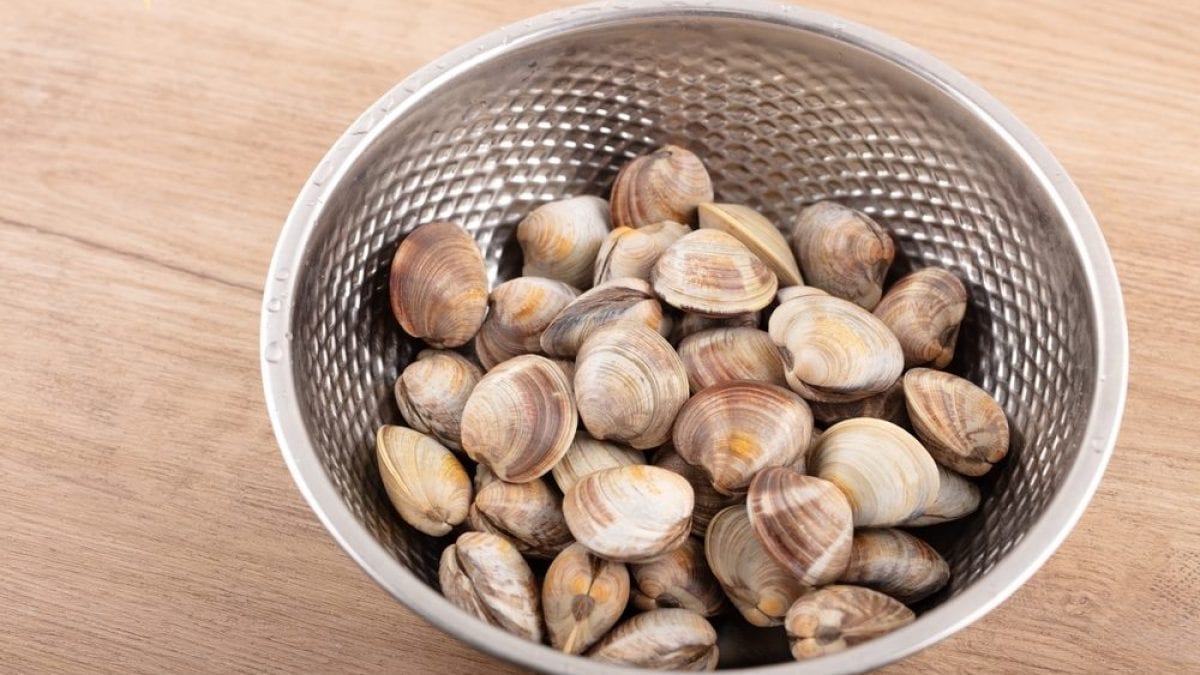
Sea, the scent of the sea. Clams, like mussels, are among the most beloved mollusks in the kitchen for their unique ability to lend a salty flavor to recipes featuring them. Available in a variety of shapes, colors, and flavors, like all seafood, they are best when eaten fresh, as they are rich in nutrients. It's also true, however, that sometimes you need to store clams, raw or cooked, for a variety of reasons: because you can't cook them right away or because you want to stock up on supplies at a good fishmonger.
Don't worry, these seafood can be frozen and thawed, or stored in the refrigerator, without compromising quality or safety. By following our instructions, you can bring excellent clams to the table to prepare delicious dishes: from the timeless clams spaghetti, as delicious in summer as on Christmas Eve, to flavorful clam soup, and even delicious fried clams.
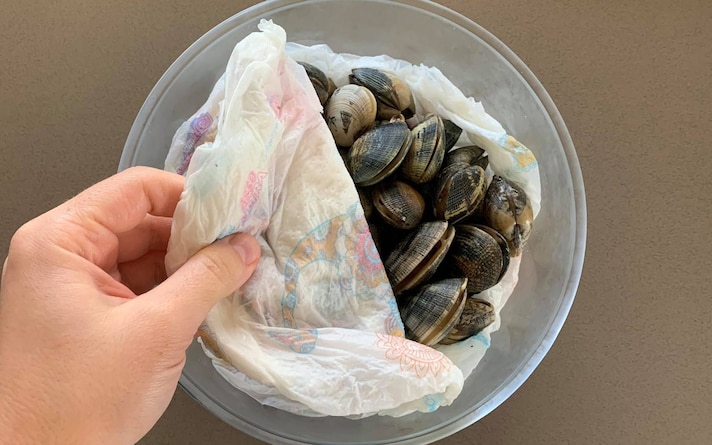
Preserving clams requires some specific precautions, as they are living organisms: one of the most commonly used and highly effective methods is to wrap them in a damp cloth. This allows the clams to breathe and retain the moisture necessary for their survival, prolonging their freshness. Here's everything you need to know about how to safely store your clams.
How to Store Uncooked Clams
If you've purchased too many fresh clams, you can store them raw in the refrigerator for a short time. In addition to the damp cloth method, you can use airtight containers filled with seawater or salt water. It's important to check the clams regularly and discard any that open —which means they're dead—or that smell bad.
A classic and very effective method for preserving fresh clams, as we mentioned, is to wrap them in a damp cloth. This method allows the clams to breathe and maintain the humidity necessary for their survival. How to proceed:
- Cleaning. Before wrapping them, be sure to remove any sand or algae residue.
- Humidity. Dampen the cloth well, wringing it out to remove excess water.
- Wrapping. Wrap the clams in the damp cloth, trying to compact them slightly.
- Refrigerator. Place the cloth with the clams in the coldest part of the refrigerator.
Stored in this way, clams will stay fresh for 24 to 36 hours.
How to Store Cooked Clams
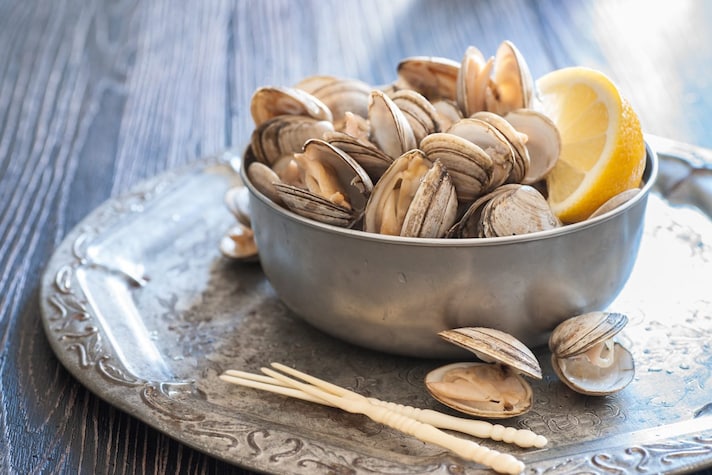
After cooking the clams, letting them open in the pan according to your preferences—add white wine or not, season with parsley or not—filter the released liquid through a fine-mesh strainer and remove the clams, discarding any that have remained closed. Transfer the clams to an airtight container, such as a glass jar, and add their cooking water. Last step: close tightly and refrigerate.
Can Clams be Frozen?
Clams can be frozen both raw and cooked. The important thing is to freeze them only after purging them and opening them in the pan if necessary: raw clams last 20-30 days, while cooked clams last 2-3 months. Here's how.
- Raw: preserving purged clams is very simple. Simply transfer them to a refrigerated bag or bags, make sure they are tightly closed, and place them in the freezer. Another method is to choose airtight containers. Depending on the container, it's best to mark the date or date + contents with a marker or label to accurately calculate the shelf life.
- Cooked: Once the clams have opened and seasoned in the pan and the closed ones have been discarded, separate them from their cooking liquid. Don't waste the liquid, but filter it through a fine-mesh strainer and set aside. Then, transfer the clams to one or more airtight containers and top with their sauce. Alternatively, you can freeze their cooking liquid in a separate glass jar.
;Resize,width=767;)
