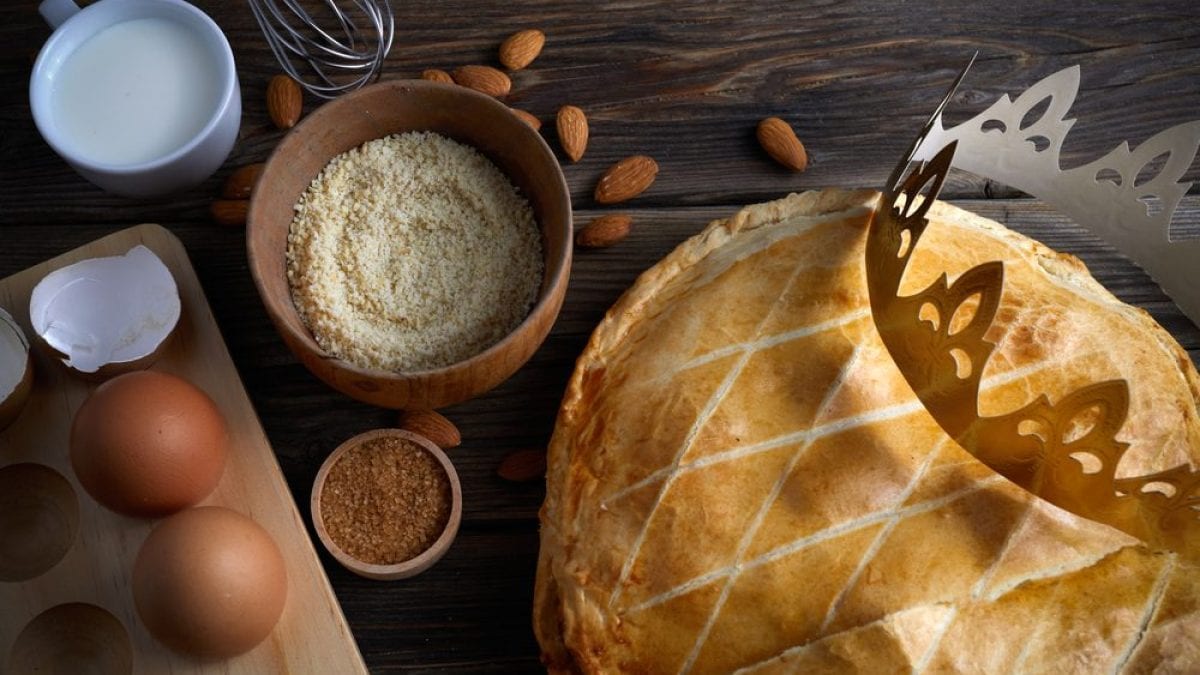
The world is full of "king cakes," but the French one is perhaps the most unique: it's called galette de rois and is a tradition associated with the Epiphany, closely linked to the cult of the Three Wise Men and their visit to Baby Jesus. This dessert is made with puff pastry filled with frangipane, a cream made from almonds, butter, sugar, and eggs. The real secret of the recipe, however, is a bean: the surprise inside the cake that "crowns" whoever finds it as king of the day. Let's take a look at the details of this beautiful tradition and where it comes from because, spoiler alert, it's much older than you might think.
The King Cake That Hides a Treasure
The galette de rois is often eaten throughout the month of January, particularly on the 6th or first weekend of the new year. This tradition has ancient origins and is linked to the festivities marking the end of the Christmas season. The dessert is associated with the custom of celebrating the arrival of the Three Wise Men bearing gifts for the baby Jesus. The practice of eating a special cake during this holiday dates back several centuries, but its roots date back to Roman times. It was our ancestors who established the broad bean as a symbol of fertility, anticipation of spring, and the awakening of nature. The first recipes for similar cakes undoubtedly have pagan origins, and we find paintings and treatises describing these preparations to be served during Roman banquets held in honor of the gods between late December and early January.

For a galette de rois more similar to the one we know today, we have to wait until the 14th century. The custom of sharing it at the table began in the Middle Ages, a tradition that spread especially in northern France. It was also during this period that the rules to follow began to emerge, which have survived to this day. The only variation we find over the centuries is during the French Revolution: the cake changed its name because being a "king" was not so fashionable at that time. It became the galette "de la liberté" or "de l'égalité": a custom that is more or less still maintained today at the Elysée Palace because the cake is served on January 6th, but there are no references to noble titles.
Galette De Rois' Characteristics
The main characteristic of the galette de rois is the presence of a small "fève" or "bean" inside the cake. Originally, this was actually a bean, but over time it was replaced by small porcelain or plastic objects of various shapes, or other edible products. The person who discovers the fève in their slice of cake is designated "King" or "Queen" for the day and often wears a golden crown that comes with the cake if purchased from a pastry shop. Sharing the galette de rois is a convivial moment in many French families and communities. In some regions, there are also local variations of this tradition with slightly different recipes and practices.

The most beautiful custom associated with this cake is also the oldest, still practiced by the most traditional families: the cake is cut in secret, usually under the table, where the youngest child in the family hides. He or she will assign each slice to a different guest, thus "designating" the king or queen for the day. The person invested with this honor can issue orders to the group throughout the day, and the subjects usually willingly accept the "edicts."
;Resize,width=767;)
