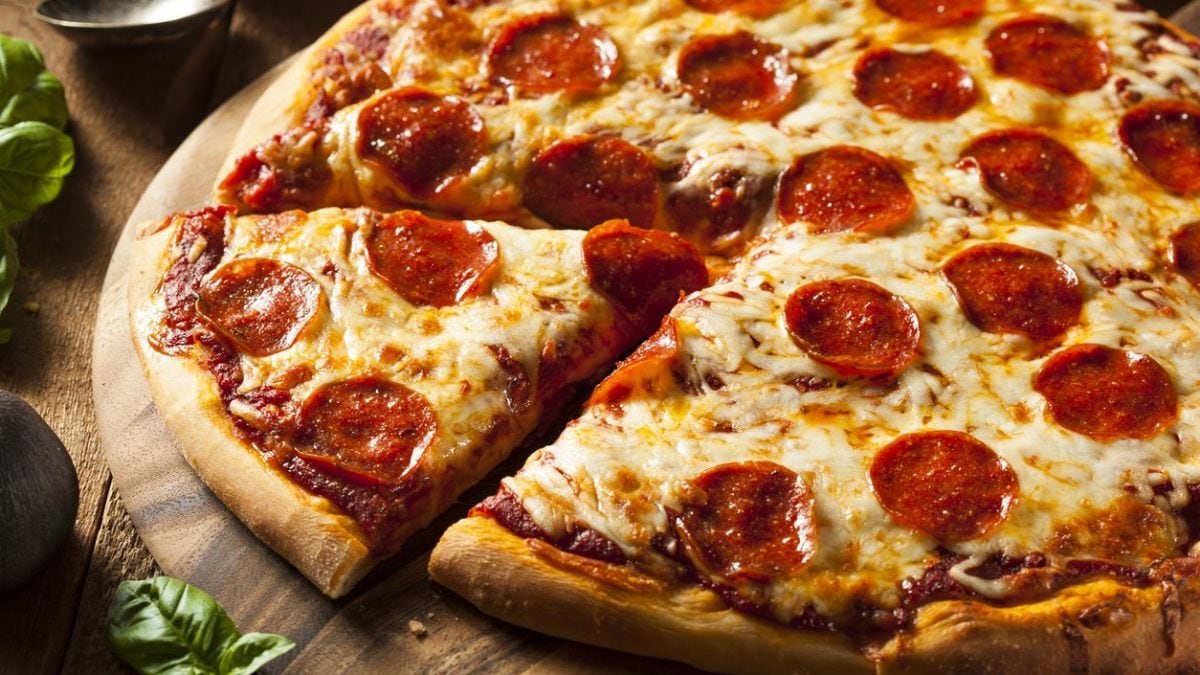
If you think of a tour of the United States, beyond the myriad cities, parks, and canyons to explore, you can't help but imagine grabbing a giant pizza slice on the go. In most cases, that huge slice is topped with tomato, tons of cheese, and pepperoni. It's precisely with this last ingredient that our story about America's most beloved pizza begins. While many Italians are aware of this today, it's important to clarify that pepperoni isn't the vegetable we're used to consuming in abundance between May and September, but a spicy salami born and developed exclusively in the United States.
If this pizza is today the most iconic, the most recognizable, and the "American par excellence," it's no coincidence, but the result of a long historical and cultural journey. Behind this iconic slice lies a story of Italian immigration, adaptations to local tastes, and the emergence of new products, which have transformed a popular Neapolitan dish into one of the most powerful symbols of contemporary American food.
What is Pepperoni, The American Salami?
As we mentioned earlier, pepperoni pizza is now the most beloved pizza in the United States. Just think of a survey conducted a few years ago by YouGov that described pepperoni salami as the absolute favorite topping in the United States, present on approximately 53% of pizza orders. In fact, every year, hundreds of millions of pounds of this spicy salami are consumed on American pizzas, confirming its unrivaled popularity. Despite its Italian name, it is an Italian-American creation born in the early 20th century, probably in New York, in the neighborhoods that were just beginning to be inhabited by Italian immigrants, in Chicago and New Haven, Connecticut. Pepperoni is a cured salami, softer, fine-grained and bright red in color, often mass-produced and designed to be easily sliced and distributed.
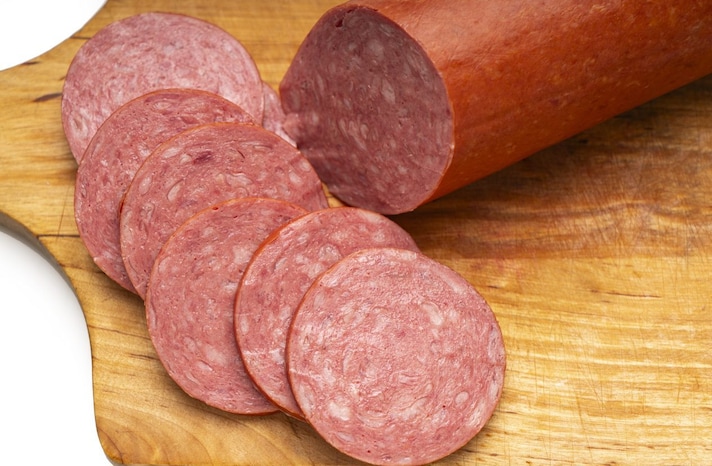
The first written records of pepperoni date back to 1919. After the end of the First World War, this food began to appear in American stores and was served as an appetizer, but its diffusion as a pizza topping occurred mainly from the 1950s onwards. All this testifies to the fact that it is a product that was initially subject to experimentation before becoming the American condiment par excellence. Subsequently, with the expansion of large pizzeria chains and fast food, the pepperoni flavor took hold because it was cheap, easy to preserve, and suitable for mass production.
The name pepperoni arose from a linguistic misunderstanding between Italy and the United States. In Italian, the word peperoni refers to sweet peppers, the large, fleshy ones, and not a cured meat. When Italian immigrants arrived in America, the term was distorted and adapted into American English, becoming pepperoni. The new name was chosen to evoke the idea of something spicy and hot, since the salami contained pepper and paprika, ingredients that gave it its flavor and bright red color. Over time, pepperoni ceased to have any connection with peppers as a vegetable and began to exclusively identify this typically American cured salami.
Pizza Made in The U.S., From Neapolitan to Pepperoni
Many people know that, before becoming an American icon, pizza originated in Naples. It was the first Neapolitan immigrants who brought it overseas between the late 19th and early 20th centuries, adapting it to the tastes and ingredients available. Cities like New York, Boston, Chicago, and New Haven became the first major centers of American pizza, while historic restaurants like Lombardi's began serving pizzas inspired by the Neapolitan model. If you think about it, pepperoni pizza is indeed reminiscent of diavola, which traditionally calls for spicy Neapolitan salami. The history of this product, whose name recalls the spicy and bold character of the topping, explains this. In the United States, however, the Italian salami was reinterpreted and replaced by pepperoni, a new product created specifically for the American market.
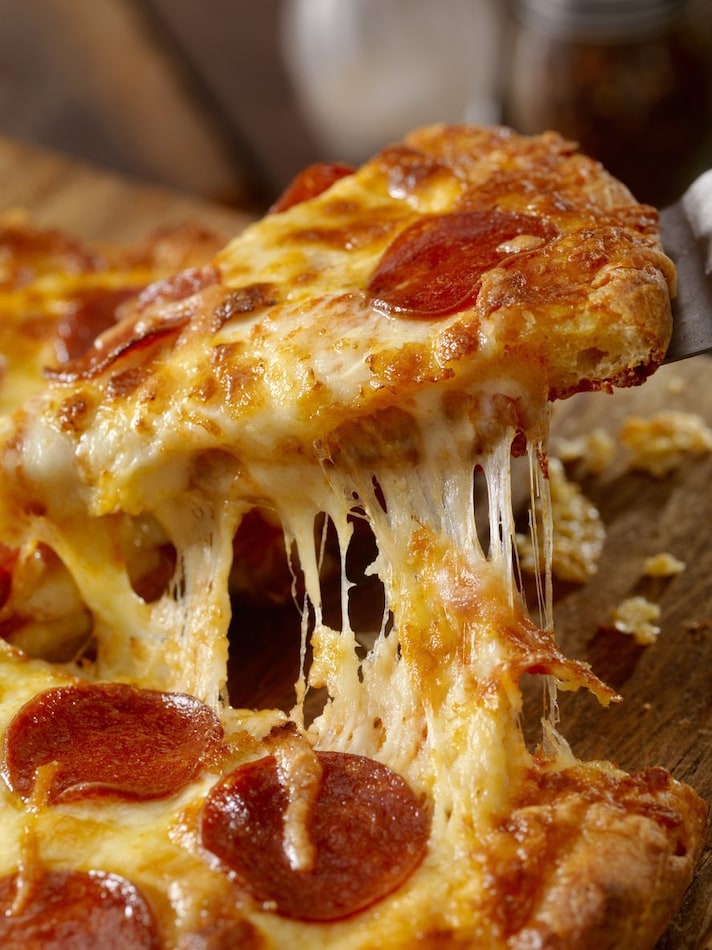
This process is known as the "pizza effect": a purely anthropological expression that involves emigration and the transformation of a traditional dish before returning home. A product like pizza, in fact, emigrated over a century ago along with those who decided to bet on the elusive "American dream." Once it reached American shores, pizza became richer, more topped, and more abundant, and the pepperoni flavor is a clear symbol of its identity. Pepperoni pizza is the result of a story of migration and global success that began in Naples and passed through New York, demonstrating how food can change identity without losing its roots.
;Resize,width=767;)
