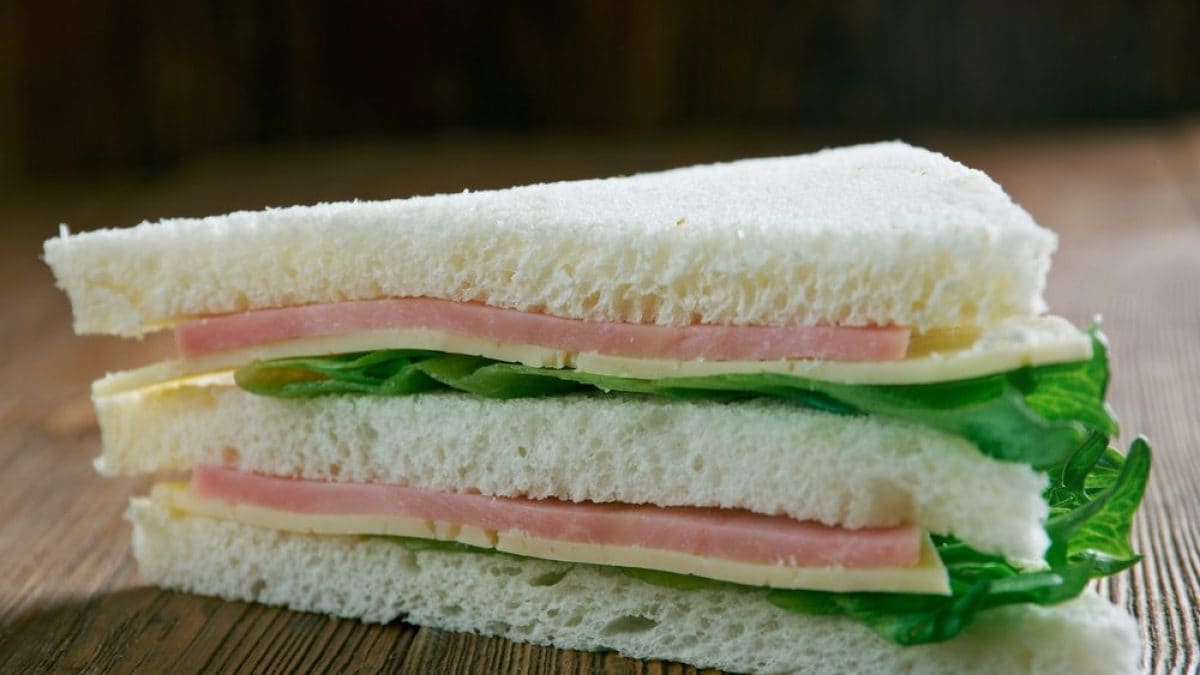
In 2026, the tramezzino turns one hundred years old. A significant milestone for one of the most iconic foods in the entire Italian gastronomic landscape. Exactly one century since 1926, when, in a café measuring just thirty-one square meters in the heart of Turin, a sandwich destined to become a true national symbol was born. A story that also has an important literary dimension, with a celebrated poet like Gabriele D'Annunzio who invented and consecrated its name. Let's discover and celebrate this product that, from the center of the Savoy city, has traveled to the bacari of Venice and beyond.
Angela Demichelis' "American" Origins and Genius
The story actually begins here, in the United States, specifically in Detroit. Angela Demichelis is a 15-year-old Italian girl who, like many Piedmontese, leaves for America in the early 20th century to seek her fortune. There she finds work, gets her driver's license, and meets Onorino Nebiolo, a Piedmontese restaurateur older than her. The two marry and have two children born in the States, but a few years later, the idea of returning to Italy becomes increasingly vivid. Returning to Turin with a nest egg and the experience they have gained in the restaurant business allows the couple, in 1925, to purchase Caffè Mulassano, a historic café in the city center, a stone's throw from Piazza Castello, paying only the 300,000 lire license fee.
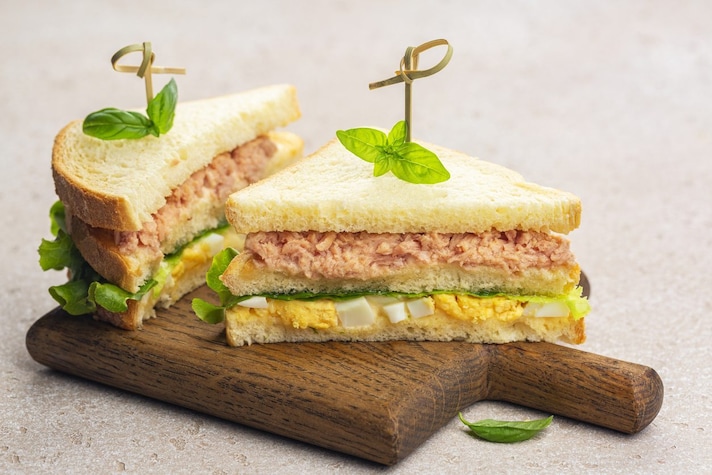
To stand out from the competition, Angela Demichelis wanted to impress her new customers with an American innovation: a toasting machine. The idea, however, proved to be a flop: toasting bread was time-consuming and the service was impractical. Then came the woman's brilliant idea: using that very soft bread (designed for toasting) and removing the crust, she stuffed it with simple, flavorful ingredients. It was 1926, the year the first "paninetti" with butter and anchovies were created. Since they were called sandwiches in the United States, during the height of Fascist rule, the Anglo-Saxon word was completely banned.
This is where Gabriele D'Annunzio, a regular at Mulassano, comes in. The poet, passing by the bar, asks for "one of those delicious tramezzini." According to various interpretations, the name derives from the wooden partitions in his house, or from the fact that this sandwich was enjoyed " in between" meals, or even from the fillings sandwiched between two slices of bread. The term has stuck ever since, and it's not just a minor detail.
From Mulassano to Venice, Between Variations and Claims
Although, as mentioned above, the tramezzino's home is Turin, this product found a second home in Venice, where it became "el tramesin." Larger, more filling, and less "orthodox" than the Turin original, some even tried to claim its origins. The Piedmontese version, however, remains the first codified and documented. In July 1936, La Cucina Italiana published the first official recipe, marking the product's national recognition.
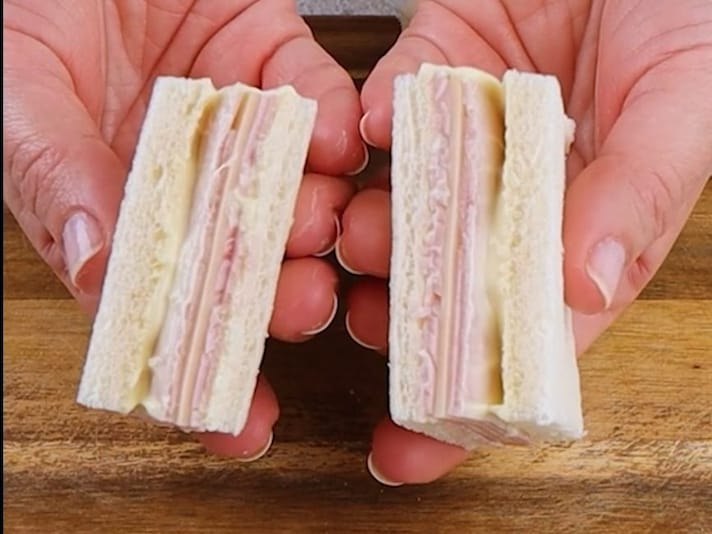
In 1938, the Nebiolos sold the place to start a cinema business, but the tramezzino had by then become a symbol of Turin. Today, at Mulassano, between 200 and 250 are sold a day, in around twenty variations. Rectangular ones remain the most classic, with a few concessions to the triangular or smaller, rounder shapes.
Tramezzino Vs. Sandwich: What's The Difference?
The tramezzino still works perfectly, a hundred years after its invention, because it's a simple and never boring product. It's eaten without cutlery, it's mess-free, and it lends itself to endless combinations. It's an elegant street food that can be enjoyed at any time of day. It doesn't have the glory of pizza or the ritual of pasta, but it possesses a rare quality: it's a hit with everyone. Its strength also lies in its difference from the Anglo-Saxon sandwich from which it draws inspiration: here, the bread is extremely soft, strictly crustless, cut into compact rectangles or triangles, and is not toasted.
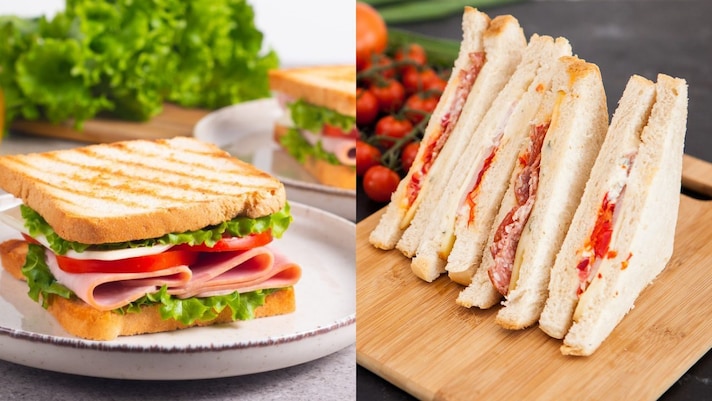
This well-defined and well-structured identity has established it as a national symbol and a recognizable product abroad. CNN Travel, in one of its guides, included it among the best sandwiches in the world, consecrating it as the only Italian representative in a global ranking.
;Resize,width=767;)
