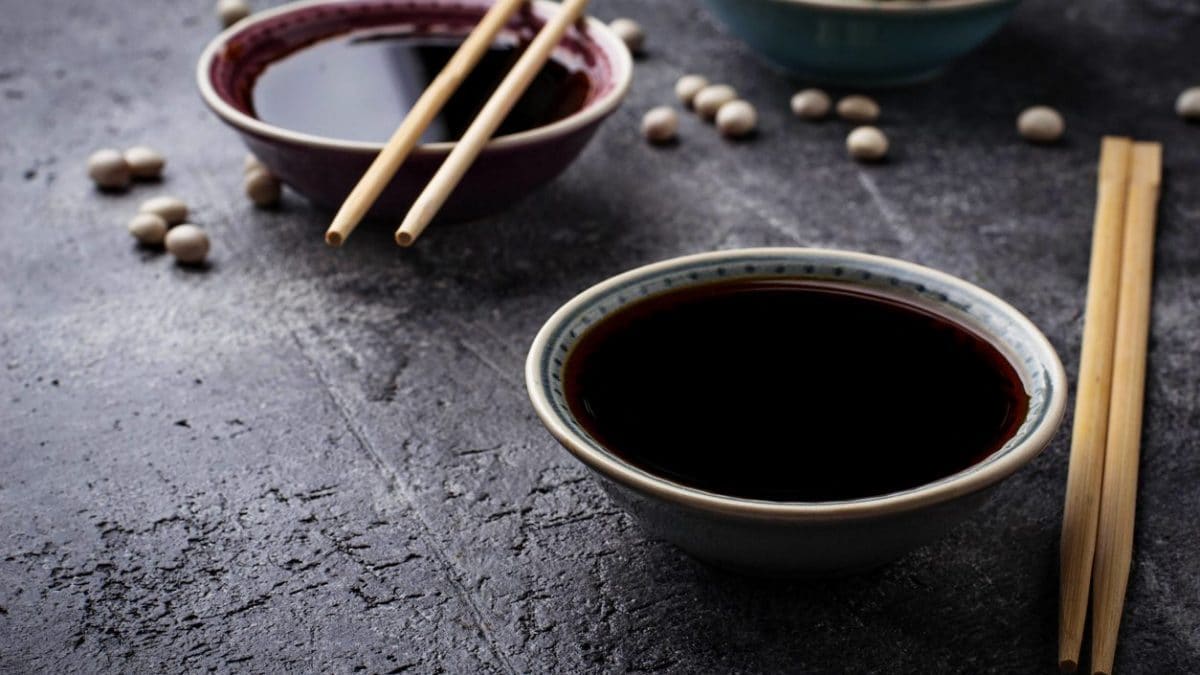
That Japanese cuisine is a universe of multifaceted flavors is now a given even for Westerners, who have learned the lesson over the years: there's more than sushi. Essential to the cuisine of the Land of the Rising Sun, as in all Asian cuisine in general, are sauces, which accompany dishes in ever-changing ways, lending uniqueness to preparations as well as flavor and balance. Thus, in addition to the evergreen soy sauce, the most popular condiment, ponzu and teriyaki sauces have entered our vocabulary and, perhaps, even our pantry, to pair with original or Japanese-inspired recipes. Below we have collected the most popular sauces: to learn about them, but also to be able to use them best, since you can easily find them at hand in an ethnic food store or while grocery shopping with a click.
The Essential Condiments of Japanese Cuisine
Before exploring the most popular Japanese sauces, it's essential to start with some traditional condiments (such as olive oil, butter, and vinegar) that become the foundation upon which more complex and diverse recipes are built, depending on the combinations. Soy sauce, for example, is a true must-have, available in countless versions, light or rich, salty or not. Dashi follows immediately after: the mix of kombu seaweed and katsuobushi flakes (dried bonito) is the emblem of ramen's characteristic umami flavor. Nor can miso be left out, one of the most famous flavor enhancers (just think of soup) made from a fermented mixture of soybeans and koji. Among popular wines and vinegars, rice vinegar stands out in all its aromatic variations, essential in sushi rice, mirin, obtained from glutinous rice, and sake, which can be both drunk and used as an ally in the kitchen.

However, don't underestimate sauces: the Japanese know this well, which is why they have so many of them. Some are added during cooking, others are excellent in marinades, and still others are toppings and accompaniments that give dishes their signature. Let's get to know some of the most famous.
1. Teriyaki Sauce

Let's start with teriyaki sauce, probably one of the most popular, given that the name is associated with recipes that have crossed national borders, such as teriyaki chicken or teriyaki salmon. It is a traditional condiment used primarily to marinate meat, fish, vegetables, tofu, and to flavor foods when pan-fried. The term derives from the union of "tari," meaning shine, and "yaki," meaning grill or griddle, while the ingredients to prepare this dark sauce are: soy sauce, mirin, sake, and sugar, mixed and cooked together until obtaining the typical thick and glossy consistency. During cooking, a pleasant glaze forms on the surface of the food, making it particularly inviting: one variation is yakitori sauce, which, omen, is specifically designed to be brushed on Japanese chicken skewers.
2. Ponzu Sauce

Fresh, light, and versatile, ponzu sauce is made by combining soy sauce, rice vinegar, citrus juice (the most common is yuzu, similar to a yellow mandarin), katsuobushi, and kombu seaweed, for a perfectly balanced flavor between acidity and saltiness. The condiment is particularly loved for delicately enhancing fish and vegetables, without overpowering their flavor: it accompanies sushi, sashimi, tempura, tataki, and as a sauce for shabu shabu, a traditional dish that involves cooking sliced food by immersing it in a hot pot of dashi broth placed in the center of the table.
3. Goma Dare Sauce

Goma dare (or gomadare) is a creamy sauce made from a sesame paste called nerigoma, which is made by toasting and grinding the seeds. It resembles tahini, and soy sauce is added, along with other ingredients such as mirin, miso, rice vinegar, and sugar, to create a condiment with a smooth texture and a sweetish flavor. Goma dare is one of the first dips in shabu-shabu and is frequently used to add creaminess to cold, dry noodle dishes.
4. Japanese Mayonnaise

We see it as a generous protagonist in street food icons like okonomiyaki and takoyaki: Japanese mayonnaise is one of those sauces with a Western allure that has become increasingly popular over the last decade, thanks in part to videos on Instagram and TikTok. Perfect as a zigzag topping or as a filling for sandwiches, it has a velvety texture and a flavor that is both delicate and captivating: it is made with egg yolks, vegetable oil, and rice vinegar, often flavored with dashi powder or monosodium glutamate in industrial versions, which amplify the umami note. The most famous brand on the market is Kewpie, the name of the company owned by Mr. Toichiro Nakashima, who developed mayonnaise in 1925 after a trip to the United States, adapting the recipe to the cuisine of the Rising Sun.
5. Karashi Sauce

Karashi is a spicy Japanese mustard that, when eaten, has the same effect as wasabi, stimulating tear production. Mustard seeds are soaked and then used as a garnish in various traditional dishes, such as nattò, a dish made from fermented soybeans served for breakfast. Karashi can also be used to make soft sauces: mixing it with miso paste and rice vinegar creates karashi-su-miso, or with mayonnaise, like karashi mayonēsu, both of which pair well with fish (the former especially with salmon) and seafood.
6. Warishita Sauce

Warishita is a sweet and savory sauce made by mixing soy sauce, sugar, mirin, sake, and dashi, and is mainly used to flavor broth. It is also called sukiyaki sauce, referring to the famous dish in which it is most commonly used: a combination of ingredients (usually beef, vegetables, and noodles) cooked in a large pot placed in the middle of the table, similar to shabu shabu, a symbol of conviviality.
7. Yakisoba Sauce

We can already tell that yakisoba sauce is the heart of the famous Japanese fried buckwheat noodle dish. It combines soy sauce, Worcestershire sauce, sugar, oyster sauce, and sake (or mirin). The flavor is sweet and sour, verging on savory, ideal for adding character to stir-fry recipes with noodles, carrots, spring onions, cabbage, chicken, pork, or shrimp: simply add it during cooking and adjust the amount to your liking.
8. Wasabi Sauce

We conclude with wasabi, a staple in every Japanese restaurant: pungent, it stimulates the nasal passages rather than the palate, making it even more feared than chili pepper. It's commonly served with sushi and sashimi, is green, and—in its original form—is made by grating the root of the same name, which resembles horseradish, into a paste. Subject to cheaper imitations, the authentic product is called hon-wasabi; otherwise, the sauce may have been made with readily available colorings, horseradish, and mustard.
;Resize,width=767;)
