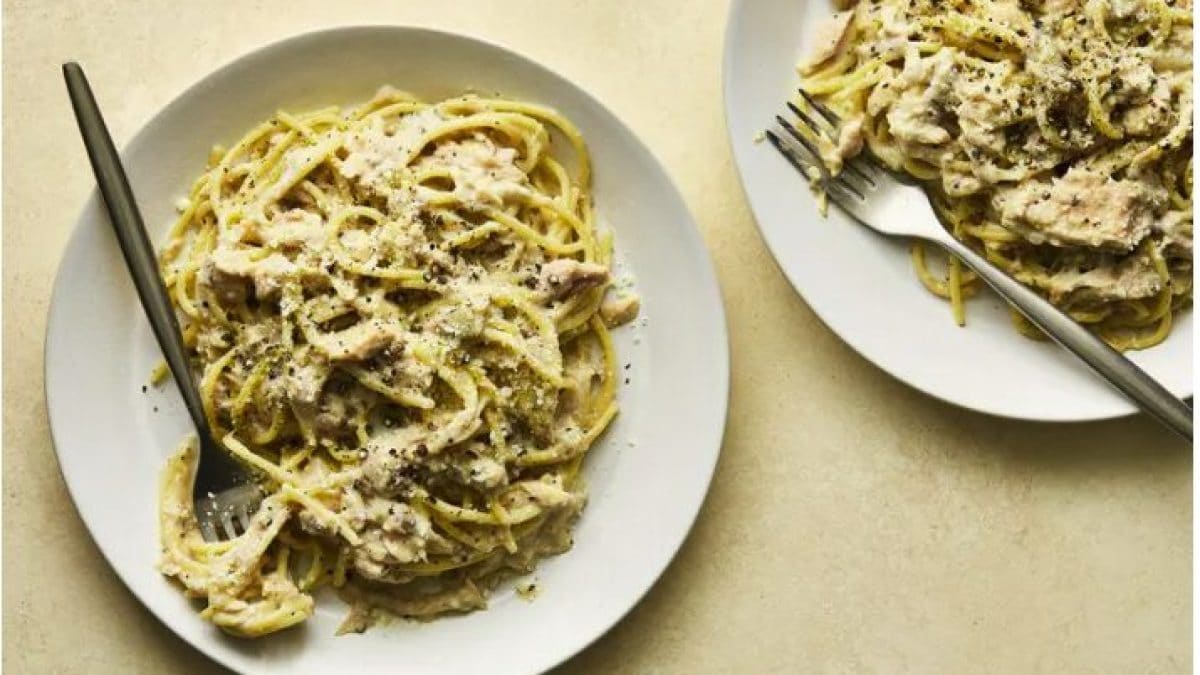
Have you ever met someone who, without batting an eyelid, sprinkles parmesan cheese on spaghetti with clams? If the answer is yes, and you're also a purist, you probably considered that gesture "sadistic," as if that person were implicitly slapping Italian cuisine in the face. If, however, you're open to every possibility, perhaps sprinkling cheese on spaghetti with seafood even seemed like a curious idea. Now, imagine instead finding yourself in front of a plate of cacio e pepe with tuna added. The first thing that comes to mind is to "cry out" in scandal, but there are some who don't consider it such a "heretical" variation after all. The New York Times, one of the world's most trusted newspapers, has proposed, among its recipes for its gastronomic section, a delicious cacio e pepe with tuna. The question now arises spontaneously and (perhaps) even uncomfortable: how willing are we really to accept that cuisine, even the most traditional and distinctive, could be questioned?
An (Un)subverted Icon
Tuna cacio e pepe is a recipe by Carolina Gelens, a journalist for the New York Times. The idea is a bold one, aiming to transform the hieratic simplicity of the pasta, cheese, and pepper trio and add something adaptable that can "dialogue" with the other ingredients. Of course, for those attached to traditions, adding canned tuna to a legendary dish is certainly considered madness, just as pairing cheese with fish dishes is generally considered.

The NYT, however, immediately clarified the situation: there's no provocation; simply adding fish to this recipe adds an extra protein component. Naturally, there was a wave of comments on social media, with purists reacting with disdain and others deeming it "innovative" and not at all harmful.
The Typical Italian Skepticism About Pairing Cheese With Fish
Fish and cheese: it's one of the most deeply rooted and pervasive taboos in Italian cuisine because, according to many, they shouldn't be paired. The myth that "it covers the delicate flavor of fish" is often invoked to justify the ban, but more likely it's simply a cultural constraint. Over time, the idea that cheese shouldn't be put on fish has become an unwritten rule, a quasi-law or deterrent that few dare break.

But before looking outside of Italy, where it's always been done, consider that even there, there are traditional recipes that pair fish and cheese. The famous baccalà alla vicentina (which calls for Parmesan cheese); stracciatella from Puglia, which pairs perfectly in octopus sandwiches; pasta with mussels and pecorino cheese: a classic Roman dish; and pasta and potatoes with mussels in Naples, where a generous amount of Parmesan is required.
Ultimately, the question isn't resolved with a "yes" or "no." Perhaps rather than judging the NYT's recipe, we should look at what it sparks: doubts, conversations, the desire to experiment. Ultimately, no one can deny your curiosity to discover new flavors, even if they, at first glance, may seem like a cultural omission.
;Resize,width=767;)
