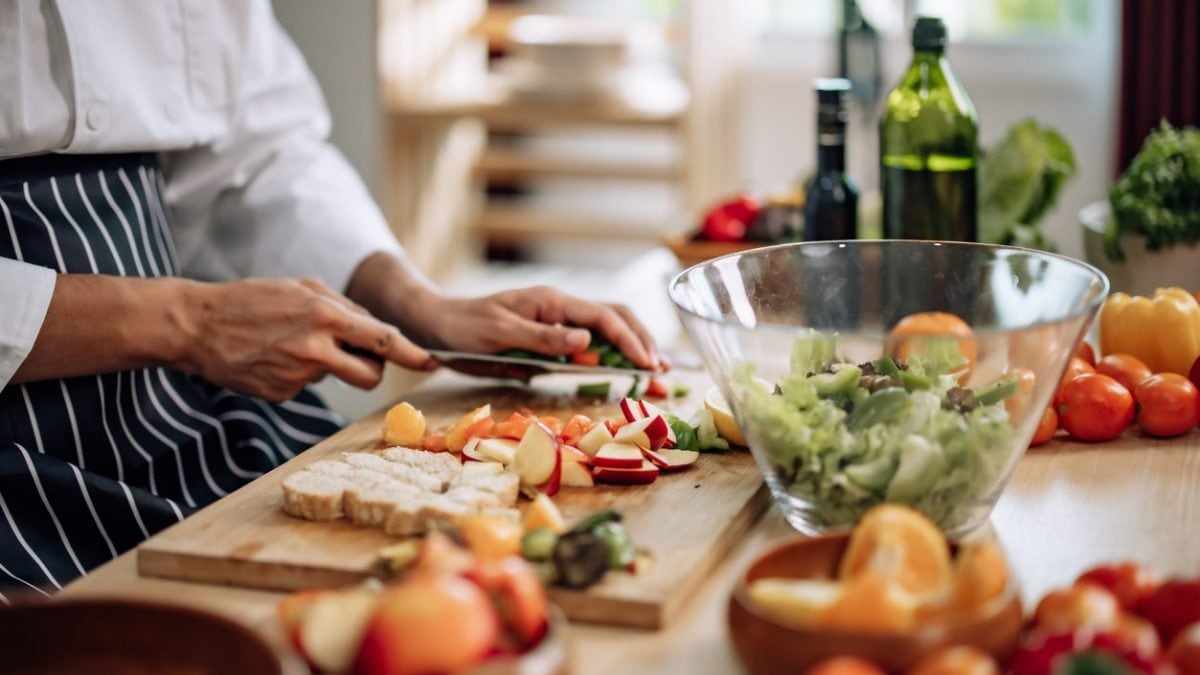
Fruit turning brown after peeling is a fairly common phenomenon and is caused by a natural chemical reaction: if you leave fruit out in the open for a while after peeling it for a fruit salad or dessert, you'll notice it tending to darken. This is completely normal: it's a chemical reaction called oxidation, involving certain compounds present in fruit, such as polyphenols. Today we'll explain why it happens and how to avoid it.
What Causes Fruit to Brown?
As we mentioned, the fact that peeled fruit turns black relatively quickly is a completely natural phenomenon: it also happens with some types of vegetables. The reason is oxidation, a chemical reaction that causes the polyphenols in fruit to react with oxygen and transform into melanin, a dark pigment (the very substance that helps us tan). Fruit contains enzymes called polyphenol oxidases that accelerate this oxidation process.
When we cut a fruit and expose the pulp to oxygen in the air, this process is triggered and leads to the gradual darkening of the fruit. While blackening doesn't make the fruit toxic, it doesn't alter its flavor, texture, or appearance: you can safely eat it even if it's darkened.
This is a phenomenon that occurs more or less in all fruit, although to varying degrees: in fact, there are also other factors that influence blackening:
- The type of fruit: Some fruit varieties are more prone to browning than others.
- Ripeness: Overripe fruit turns black more quickly.
- Temperature : Heat accelerates the oxidation process, so in summer fruit will tend to oxidize more quickly.

How to Prevent Fruit From Browning
If you're preparing something and need to cut a lot of fruit but don't want it to brown for aesthetic reasons, there are several methods to slow down or prevent the browning of cut fruit:
- Citric acid. The citric acid in lemon blocks the action of the enzymes responsible for oxidation: sprinkling lemon juice on cut fruit will form a protective layer that prevents browning.
- Vitamin C. Vitamin C also has an antioxidant effect: you can use water with orange or pineapple juice, both rich in vitamin C.
- Water and ice. Immersing cut fruit in ice water slows down the enzyme activity, prolonging its freshness.
- Cling film. Wrapping cut fruit in cling film limits contact with oxygen, slowing oxidation.
- Pineapple juice. Pineapple contains bromelain, an enzyme that inhibits the action of enzymes responsible for browning.
;Resize,width=767;)
