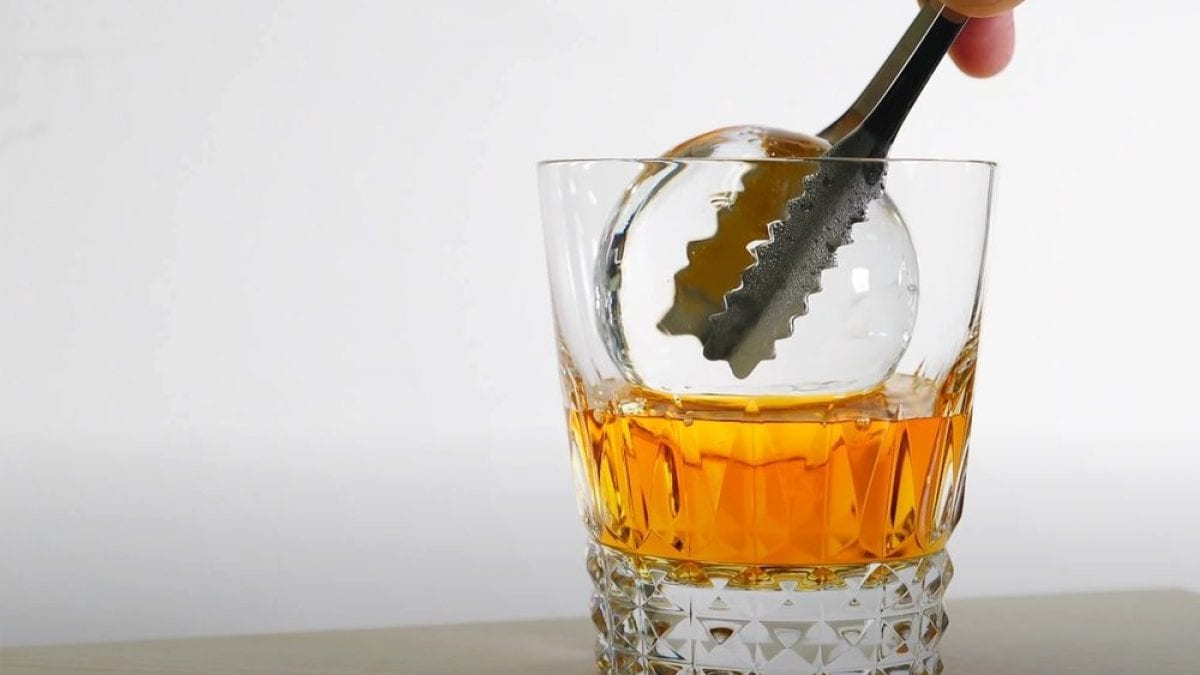
If you've ever put an ice cube in a drink at home, you've probably noticed one thing: it's often white, opaque, and maybe even a little fragile. Then you go to a good bar, order a cocktail, and there you find a perfectly transparent cube, smooth as glass, so beautiful it almost looks fake. Have you ever wondered why? There's no magic behind those "bar" ice cubes, but a combination of attention, the right tools, and a few little tricks. And the good news is that many of these tricks can be replicated at home, if you know how.
What Happens to Homemade Ice?
When we put water in the freezer, it freezes in a haphazard fashion. The cold comes from all directions, especially from the outside in, and so the water begins to turn to ice everywhere, all at once. This process traps air bubbles, impurities, and mineral salts present in the water (tap water is full of them), and the result is a whitish cube, sometimes even with cracks. That white you see isn't dirty: it's just trapped air scattering the light. But the final effect isn't exactly elegant, especially if you're serving a nice cocktail at dinner with friends.
So why is bar ice so clear? In bars, ice isn't made in a traditional tray: it's produced by special machines, designed to make cubes that are not only larger and more durable, but above all, transparent. And here comes the first trick: freezing the water in a controlled manner. These machines, in fact, freeze the water on one side only, often from top to bottom. This way, as the ice forms, air and impurities are pushed downward or toward the last part to freeze, leaving the rest of the cube clear and clean.
Additionally, many establishments use filtered or treated water, which contains very few minerals and therefore produces even purer ice. In some machines, the water is also moved slowly during the freezing process, preventing the bubbles from settling in one spot. The result is crystal-like, compact ice cubes that melt slowly and won't ruin the taste of the drink with too much water.
Why It's Important in Cocktails
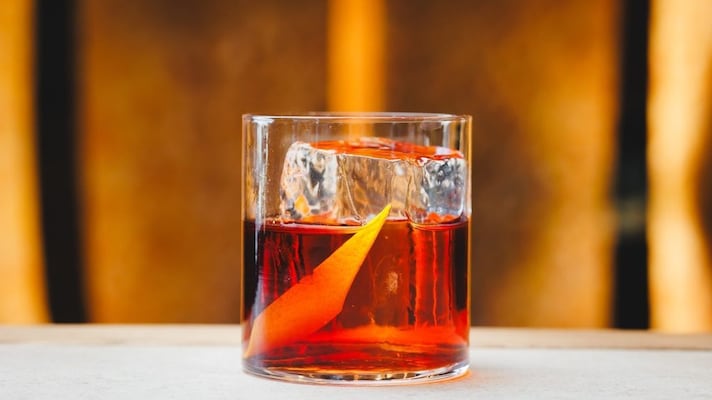
As we've often said, ice is a key component of cocktails. Besides being beautiful to look at, clear ice performs better in the glass: denser and more compact, it melts more slowly, chilling the drink without watering it down too quickly. This is why in quality cocktails—like a Negroni, a Manhattan, or a simple whiskey on the rocks—bartenders prefer large, perfectly formed cubes.
But there's also a question of care: serving a drink over clear ice is like serving a beautifully plated dish. It shows that whoever prepared it has put a lot of thought into it. And in the end, the eye also wants its share.
Can You Do it at Home?
Even if we don't have a professional machine in our kitchen, there are some simple methods to obtain much clearer ice than usual.
- Use pure water. Distilled water isn't necessary, but if you can, use filtered or natural mineral water. Better yet: boil it twice and let it cool. This helps remove dissolved air.
- Freeze slowly, on one side only. An effective trick is to use a small ice chest (such as a camping one), without a lid. Place it in the freezer with the opening facing up: the water will freeze at the top first, pushing air and impurities to the bottom. After 24–36 hours, you can remove the top, which will be clear, and discard the bottom.
- Avoid freezing too quickly. If your freezer has a "super" or "fast freeze" mode, turn it off for this operation. The slower the water freezes, the clearer the result will be.
;Resize,width=767;)
