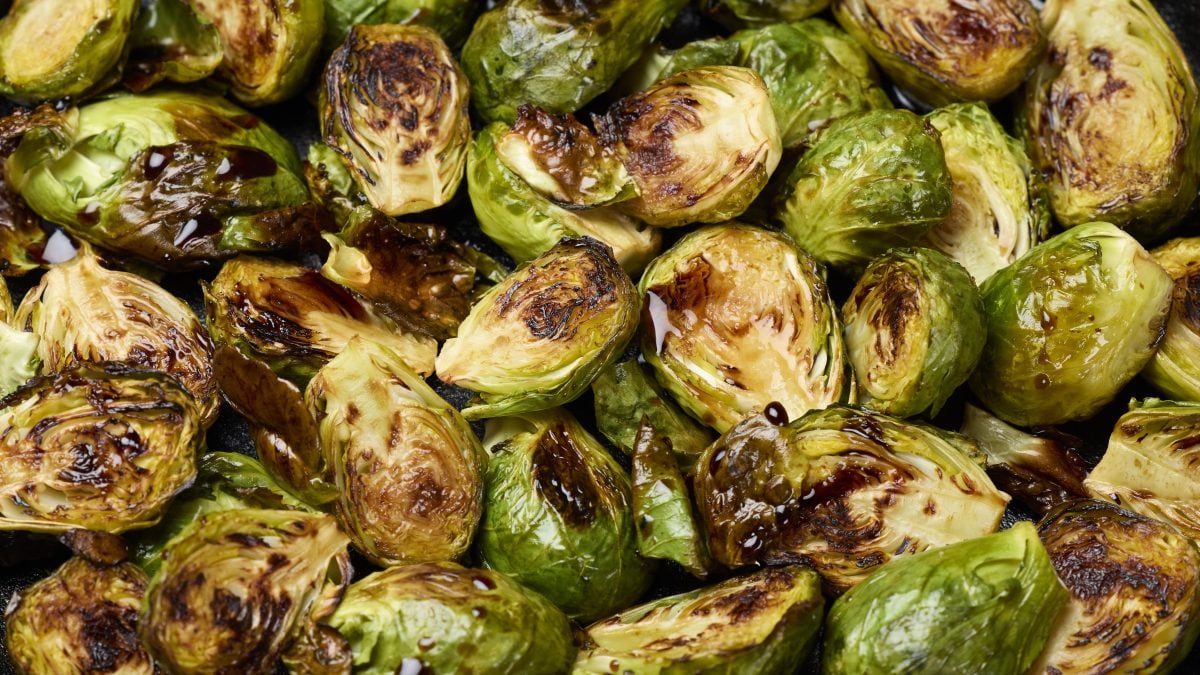
If you spent your childhood pushing Brussels sprouts around your plate, you’re not imagining things: they really do taste better now. Not “you grew up and learned to suffer” better — genuinely, measurably, scientifically better.
The shift isn’t just about better recipes or trendier restaurants (though roasting everything in olive oil certainly helped). It’s about how Brussels sprouts are grown today, and how decades of agricultural science quietly rewrote their flavor profile.
It Was Never Just You, It Was the Bitterness
For years, Brussels sprouts had a reputation problem, and bitterness was at the center of it. Like other members of the brassica family (think cabbage, kale, and broccoli), Brussels sprouts naturally contain compounds called glucosinolates. These sulfur-containing chemicals are part of the plant’s defense system— and they’re responsible for that sharp, bitter taste many people remember from childhood.
To make matters worse, older varieties of Brussels sprouts contained much higher levels of these compounds than the ones we eat today. Boiling them into submission, as was once common, only amplified the problem by releasing sulfurous aromas and concentrating bitterness.
Plant Breeding Changed the Game
Starting in the 1990s, plant breeders began selectively developing Brussels sprout varieties that were less bitter and more balanced. This wasn’t genetic modification in the sci-fi sense, but traditional plant breeding guided by better science. By identifying which strains produced fewer bitter compounds — and which tasted sweeter — growers slowly reshaped the vegetable.
The result? Modern Brussels sprouts contain significantly lower levels of the harshest glucosinolates, while retaining the nutrients that made them appealing in the first place. They’re still good for you — just no longer punishing.
This shift happened gradually, which is why many people didn’t notice it until suddenly they did. One day, Brussels sprouts showed up roasted at a restaurant, caramelized and nutty, and something clicked.

Your Taste Buds May Have Changed, Too
There’s another factor at play: genetics. Some people are more sensitive to bitter flavors because of variations in taste receptor genes. As kids, those receptors tend to be more active — which helps protect young humans from potentially toxic plants, but also makes vegetables taste more intense.
As adults, those same flavors often register as milder or even pleasant. Combine that natural shift with better-tasting sprouts, and suddenly a former nemesis becomes a favorite.
Cooking Methods Finally Caught Up
Even the best Brussels sprouts can be ruined by bad cooking, and for years, boiling was the default. High heat methods like roasting, sautéing, and grilling do the opposite: they encourage browning, sweetness, and complexity, while minimizing sulfurous odors.
Roasting, in particular, triggers the Maillard reaction — the same process that makes bread crusty and steak flavorful — turning Brussels sprouts crispy, savory, and faintly sweet. Add salt, fat, and maybe a splash of acid, and the bitterness that once dominated fades into the background.
Why They Taste Sweeter Now
Lower bitterness leaves room for another flavor to emerge: natural sweetness. Brussels sprouts contain sugars that were always there, but previously overshadowed. With fewer bitter compounds competing for attention, those sugars finally get their moment. That’s why today’s sprouts often taste nutty, mellow, and almost buttery — especially when cooked well.

;Resize,width=767;)
