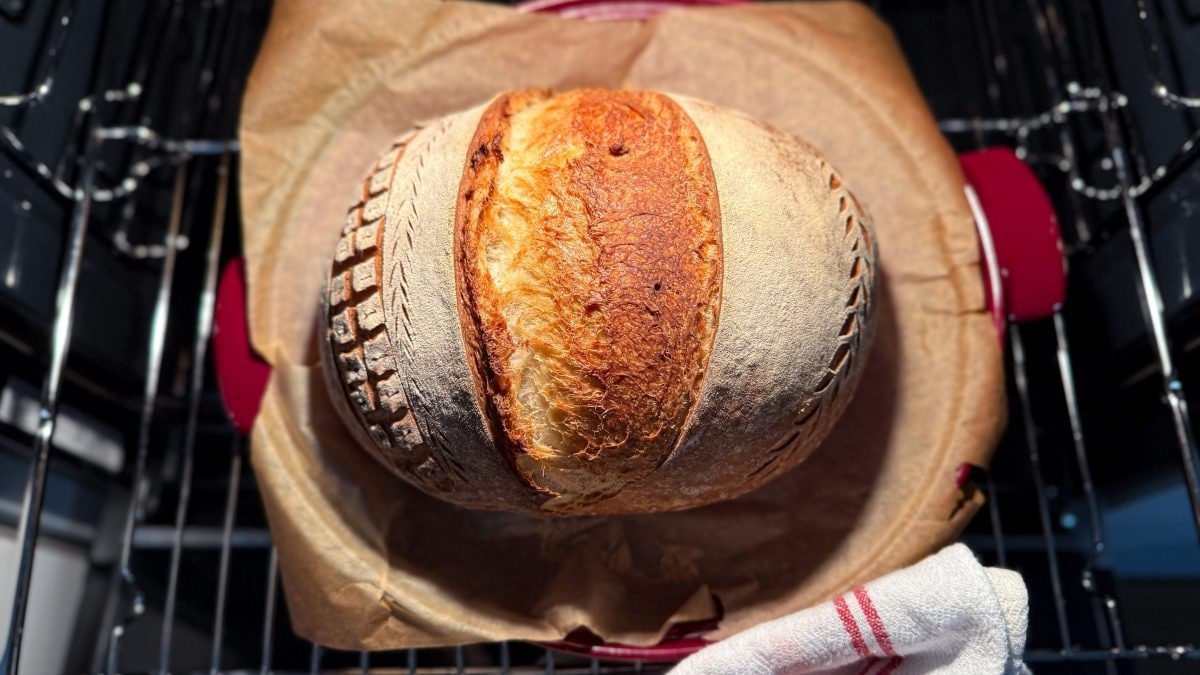
If you've stumbled upon this article, you're probably experimenting with making homemade bread, or at least want to try. As you probably already know, making perfect bread at home is quite a daunting task, as a number of factors come into play. Fortunately for all bread lovers, some of these variables can easily be managed by us, such as baking: a fundamental step that, if not performed properly, risks compromising the final result entirely. Many know, in fact, that incorrect baking can make bread underdeveloped, flat, and with a soggy crust, regardless of how the loaf was made. Therefore, to ensure that the bread rises properly, it is essential to manage the steam inside the oven: this element, in fact, is an excellent ally in the formation of large air pockets as well as a golden, crispy crust. In this article, we explain in detail why its contribution is so important.
Steam's Role in Breadmaking
Properly made bread requires a whole series of factors to consider, such as the right temperature, which favors the formation of a well-aired structure thanks to the rapid expansion of gases within the dough. Well, there's another element that's often overlooked and that many people aren't even aware of: steam. Its use, if done correctly, can profoundly alter the structure of the bread, promoting processes such as starch gelatinization and, indirectly, the Maillard reaction.
First, the warm humidity causes the starches on the surface of the dough to absorb water, forming a sort of film that prevents premature drying. However, once the surface moisture has evaporated, the heat of the oven will transform this layer into the much-loved crispy, golden crust. And this is where the famous Maillard reaction comes into play, the one that occurs between proteins and sugars at temperatures above 285°F/140°C and is responsible for the toasted notes and complex aromas of the crust. And what does steam have to do with this reaction? It serves to prolong the time needed for the surface of the bread to reach that temperature and achieve an even browning.

Steam is therefore not just a technical detail, but a true protagonist in the making of perfect bread. Its function is also to slow the loss of internal moisture, keeping the bread fresher longer. Finally, it allows for a crust that is not only crispy but also has a golden, uniform color, without darker or lighter spots, thanks to the action of the steam, which better manages the caramelization of the sugars on the surface.
How to Make Perfect Bread at Home Using Steam
If this article has convinced you of the importance of steam in bread baking and you're eager to try it yourself, here are some tips on how to make it at home. We're almost certain you don't own a professional oven with a dedicated steam control system, but fortunately, there are some home methods you can try. The first solution involves preheating the oven to the required temperature by placing an empty baking sheet inside. When you put the bread in, pour a cup of boiling water onto the bottom baking sheet and immediately close the door to trap the steam. Alternatively, you can quickly spray the oven walls with a spray bottle before placing the bread in. This will keep the oven humid for the first 10-15 minutes, then open the door briefly to let the humidity escape and continue baking in dry mode.

A final method involves using a cast iron pan directly in the oven. In this case, steam is created from the moisture in the dough, trapped by the lid: the lid is designed to seal in the moisture, allowing the bread to rise to its full potential. To make your bread with a cast iron pan, place it with the lid on in a cold oven and preheat it to the highest temperature possible. Once it reaches temperature, let the pan heat for at least 30-45 minutes before placing the bread inside and baking. Bake the bread for about 20-30 minutes with the lid on and for another 15-20 minutes uncovered, or according to the recipe instructions.
;Resize,width=767;)
