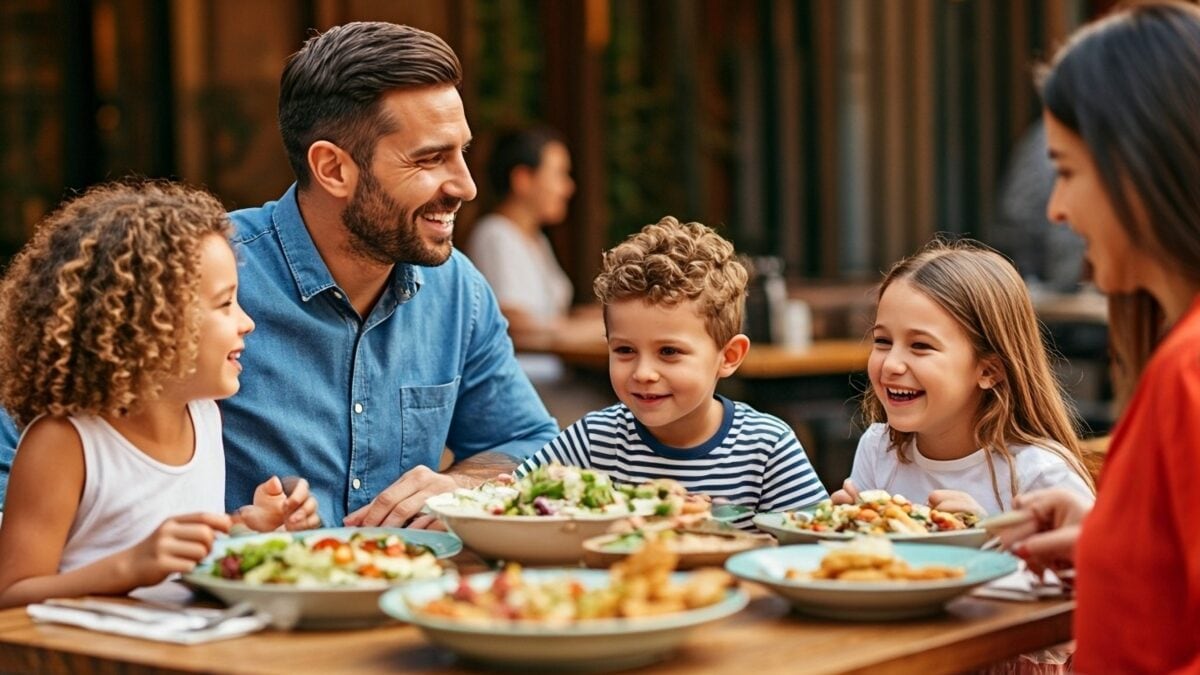
"It's up to you, New York, New York," is the famous refrain immortalized by Frank Sinatra, who for decades has narrated the myth of a city that never stops, capable of reinventing itself in every corner, even in its most deeply rooted rituals, starting with those consumed every evening at restaurant tables. In the United States, but especially in the Big Apple, these places—especially the high-end ones—are true social stages, where people go to be seen as much as to eat well. And it is precisely here that a new dividing line is taking shape. In the city's most chic establishments, where getting a reservation is already a challenge, unwritten rules have recently been multiplying on the part of restaurateurs: dedicated family time slots, pet bans, and photography restrictions define the new frontier of formal New York dining. While the discussion may seem to focus on children and four-legged friends, the issue actually goes deeper: it's a question of atmosphere and respect for those who share a restaurant dining room with us.
Simon Kim, founder of the restaurants Cote and Coqodaq, explains the situation. According to him, family-friendly dining options can vary depending on the time of day: bringing children to the restaurant before sunset is certainly possible, but the same request might be treated differently if made at 8:00 PM, when the dining room takes on a completely different atmosphere. Annie Shi, co-owner of the restaurant Lei, has adopted similar new guidelines. She reiterated that pets are not allowed inside the restaurant unless they are assistance dogs, such as guide dogs for the blind. However, specific rules apply to them too: they cannot sit on chairs, nor eat from guests' plates.
More Than New Rules, a New Sensitivity
What emerges from these positions is an attempt to redefine dinner as a formal, evening event, distinguishing it from the hustle and bustle of the day. Even the ritual of photographing dishes is being reframed: not to prohibit a shot, but to prevent a powerful flash in a darkened room from disturbing other diners. Chase Sinzer, owner of Claud and Penny, adds that tripods and additional lights should be avoided in favor of a more discreet approach, while chef Paul Carmichael of Kabawa restaurant draws attention to another practical aspect: avoiding obstructing photo opportunities and resisting the temptation to take small table decorations.
The same principle of mutual respect, which serves as the underlying theme throughout the entire process, also guides relationships with the kitchen and dining room staff. Reporting allergies and intolerances is always legitimate, indeed, a duty, but according to Kim—as mentioned at the outset—asking to modify every dish on the menu is tantamount to demanding a completely different experience than the one the restaurant intends to offer. Likewise, helping the waiter clear the table, while it may seem like a polite gesture, is a habit New York restaurateurs should avoid. This "new etiquette," therefore, redefines diners' behavior, making them—as Chef Carmichael summarized—an active participant in the success of a restaurant evening.

The Dos and Don'ts of Eating in New York, According to The Michelin Guide
"In a city where tables are coveted and reservations can be difficult, good manners are essential. It's not about which fork to use, but about being punctual and respecting others," writes the Michelin Guide, which gathered advice from some New York hospitality professionals to compile a handbook of good manners to keep in mind before sitting down at a table, in light of the new awareness developing in the Big Apple's fine dining scene.
Punctuality and Context
It's essential to start with punctuality. A reservation should be treated like an appointment with a person: therefore, if you're going to be late, simply send a message to let the restaurant know so they can make the necessary arrangements. It's also important to consider the setting before sitting down: not all restaurants, the Guide explains, are designed to accommodate children, especially after a certain time. Dogs, however, with a few exceptions, should stay outside, unless they are guide dogs—which must also adhere to certain rules.
Relationships With Dining Room and Kitchen Staff
The golden rule is to always be respectful and attentive, without making sudden movements, making a noise, or demanding someone else's table. Once seated, it's fine to ask for small changes, while allergies and intolerances should always be communicated, but asking to change a dish is undoubtedly rude. Furthermore, if a dish arrives that's different from what you ordered, it's okay to let the waiter know, but it's not appropriate to send it back just because you don't like it. Once you've finished eating, it's recommended to let the staff work without interfering, and not to pile up the plates yourself thinking you're helping. Obviously, you're not allowed to bring any decorative items from the table.

Still on the subject of employee relations, according to New York industry experts, it's inappropriate to stay past the scheduled end time. It would be appropriate to get up and move to a bar if you want to order your last drink of the evening. Finally, tips: they should never be used as a form of punishment, not only because they're an important component of the American restaurant economy, but also because there's an entire team behind the service, not just one individual, and any issues are always best reported directly to a manager rather than having them posted on your account or social media.
Photographs
As mentioned in the previous paragraphs, taking photos of food, even though it's now part of the experience, may be a practice that should be limited out of politeness. In a dark room, a flash that's too bright could disturb other diners, as could using a tripod or blocking the passageway just to find the right angle for an Instagram story.
;Resize,width=767;)
