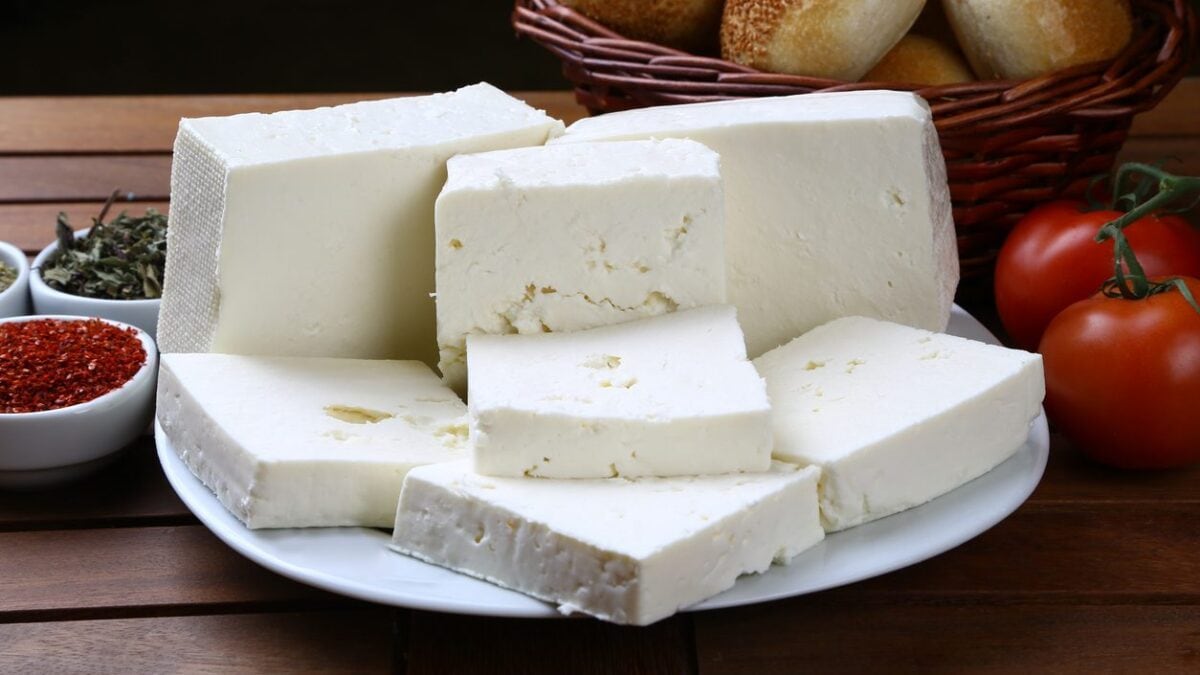
Feta, a symbol of Greek gastronomy and one of the most internationally renowned cheeses, is going through a difficult time. The crisis stems from a health emergency that has affected the country's sheep and goat farms, putting pressure on a supply chain that depends on the availability of sheep and goat milk. The situation is caused by the spread of sheep and goat pox, a disease that has affected numerous Greek farms and led to the slaughter of hundreds of thousands of animals. The consequences affect not only the farmers directly affected, but also the entire sector linked to feta production, from milk collection to processing in dairies.
It's important to clarify right away, however, that the emergency isn't about food safety: sheep and goat pox infect animals but aren't transmissible to humans. The problem primarily concerns the availability of the raw materials needed to produce cheese and the difficulty of rebuilding livestock farms after the losses they've suffered.
The Epidemic Puts Pressure on Greek Livestock Farms
The emergency began in the summer of 2024, and over the months, the disease spread to numerous farms across the country, creating a complex situation for many Greek farmers. Drastic measures were adopted to contain the spread, including the culling of animals on affected farms: the number of animals culled exceeded 450,000, with thousands of farms affected. For those working in the sector, the loss of animals represents a damage that goes beyond the immediate reduction in production: rebuilding a herd requires time and investment, while feta production depends on a very precise balance between breeding, land, and artisanal processing.
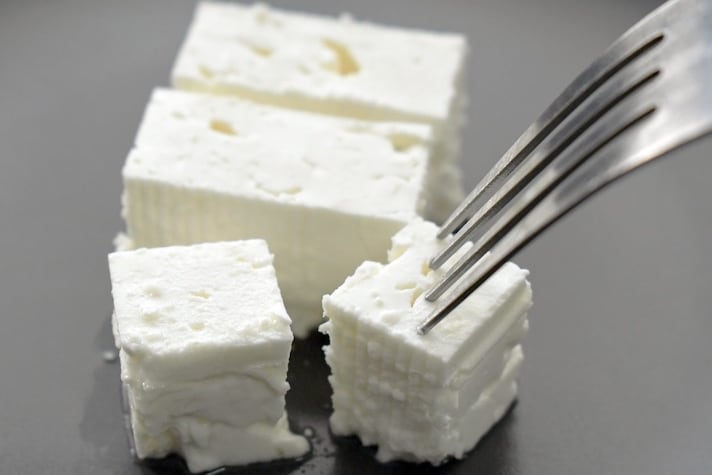
Feta is a product closely tied to Greek agricultural tradition, and its production requires milk from sheep and goats raised according to specific rules. The reduction in available animals could therefore impact the entire supply chain, affecting not only farmers but also the producers who transform the milk into the famous cheese. Not to mention the potential repercussions on the international market, considering that feta is one of the most well-known and sought-after Greek products abroad: a reduced availability of raw materials, therefore, could affect production and, over time, even consumer prices.
Sheeppox Vaccine A Difficult Choice for Greece
One of the most delicate issues in managing the emergency concerns the use of vaccines against sheep and goatpox. On the one hand, vaccination could be a useful tool for protecting livestock and limiting the spread of the disease; on the other, its use also involves considerations related to international trade. The Greek authorities' concern, in fact, concerns the risk of Greece losing its sheeppox-free status, with possible repercussions on sheeppox exports: in a sector strongly dependent on foreign markets, any change in production conditions can have significant economic impacts. According to the European Food Safety Authority (EFSA), vaccination strategies can contribute to controlling sheep and goatpox epidemics, but must be accompanied by other management measures, such as controlling animal movements and monitoring outbreaks.
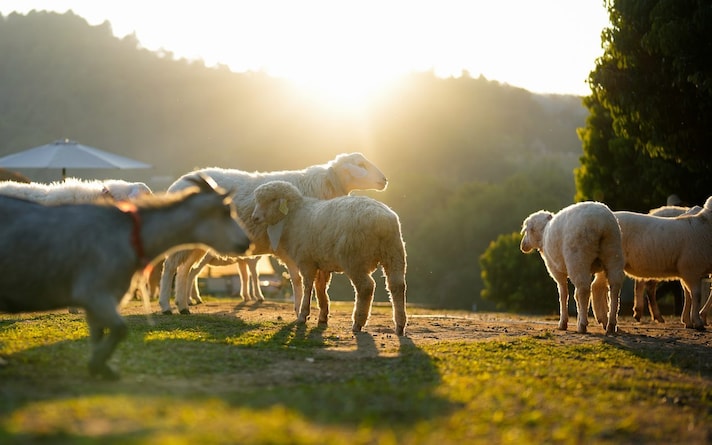
The situation therefore remains complex: on the one hand, there is the need to protect livestock and halt the spread of the disease, and on the other, to preserve a production that represents an important element of the Greek economy and gastronomic culture. The feta crisis once again demonstrates the fragility of some of the finest local foods: behind a world-renowned product are not only ingredients and processing techniques, but also farmers, animals, and rural communities who contribute every day to keeping some of the symbols of local gastronomic cultures alive.
;Resize,width=767;)
