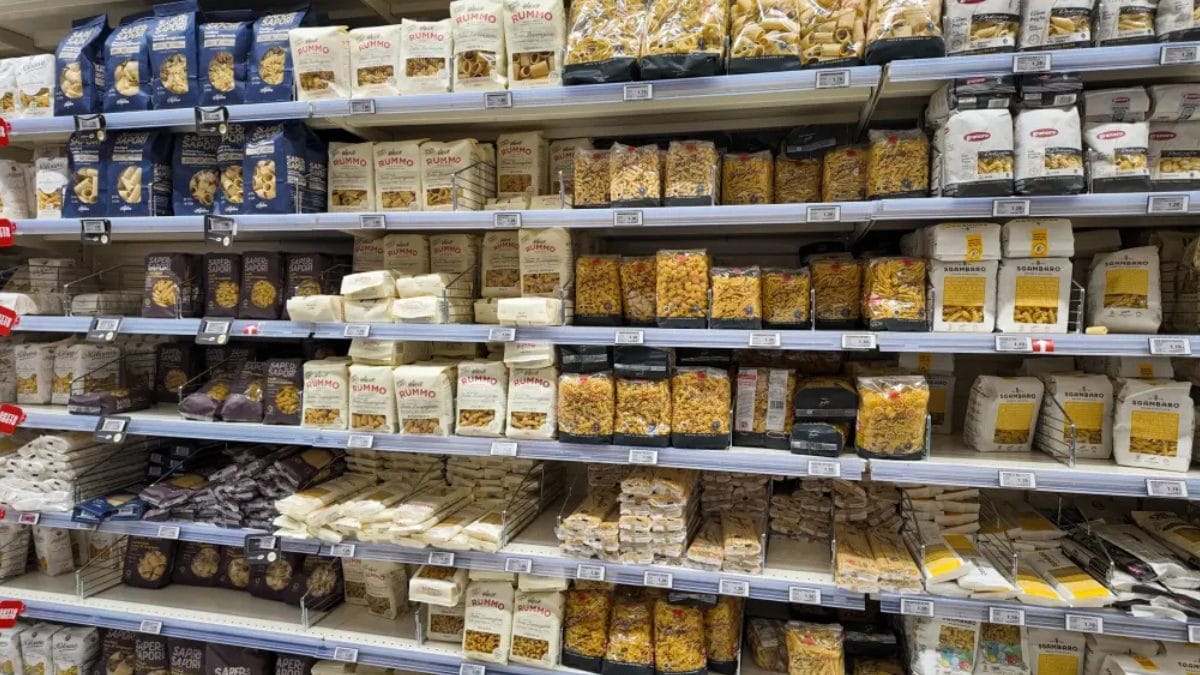
The U.S. government is preparing to impose a 107% total tariff on pasta imported from Italy, combining an existing 15% EU import tax with a newly proposed 92% anti-dumping duty. The move follows a Commerce Department investigation that concluded several Italian pasta producers were selling their products below fair market value in the U.S., undercutting domestic competition.
The tariffs are expected to take effect in January 2026, and could more than double the retail price of affected products—or drive them out of the market entirely.
Brands That Could Be Affected
Thirteen major Italian pasta exporters are named in the proposed action. These include:
- Barilla
- La Molisana
- Pasta Garofalo
- Rummo
- Agritalia
- Aldino
- Antiche Tradizioni di Gragnano
- Gruppo Milo
- Pastificio Lucio Garofalo
- Pastificio Artigiano Cav. Giuseppe Cocco
- Chiavenna
- Liguori
- Sgambaro
- Tamma
Some of these brands—like Barilla—also produce pasta in the U.S., which may shield part of their product line from the tariff. However, imported varieties and specialty lines could become significantly more expensive or disappear altogether.
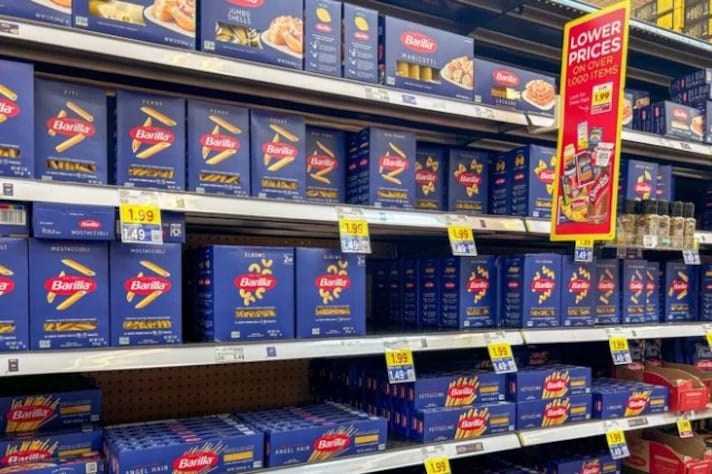
What It Means for Shoppers
If the tariffs are enacted, American consumers could see:
- Higher prices on imported Italian pasta
- Reduced availability of authentic Italian brands
- A shift toward domestic or non-EU alternatives
According to Coldiretti, Italy’s largest agricultural organization, the tariffs could “virtually wipe out” Italian pasta exports to the U.S., which currently account for about 12% of the American pasta market.
Brands That Won’t Be Affected
Most pasta sold in the U.S. is already domestically produced. Brands that are made in the U.S. and not subject to the new tariffs include:
- American Beauty
- Creamette
- Mueller’s
- Prince
- Ronzoni
- Skinner
- San Giorgio
- Great Value (Walmart)
- 365 by Whole Foods Market
These brands are expected to remain stable in price and availability.
;Resize,width=767;)
