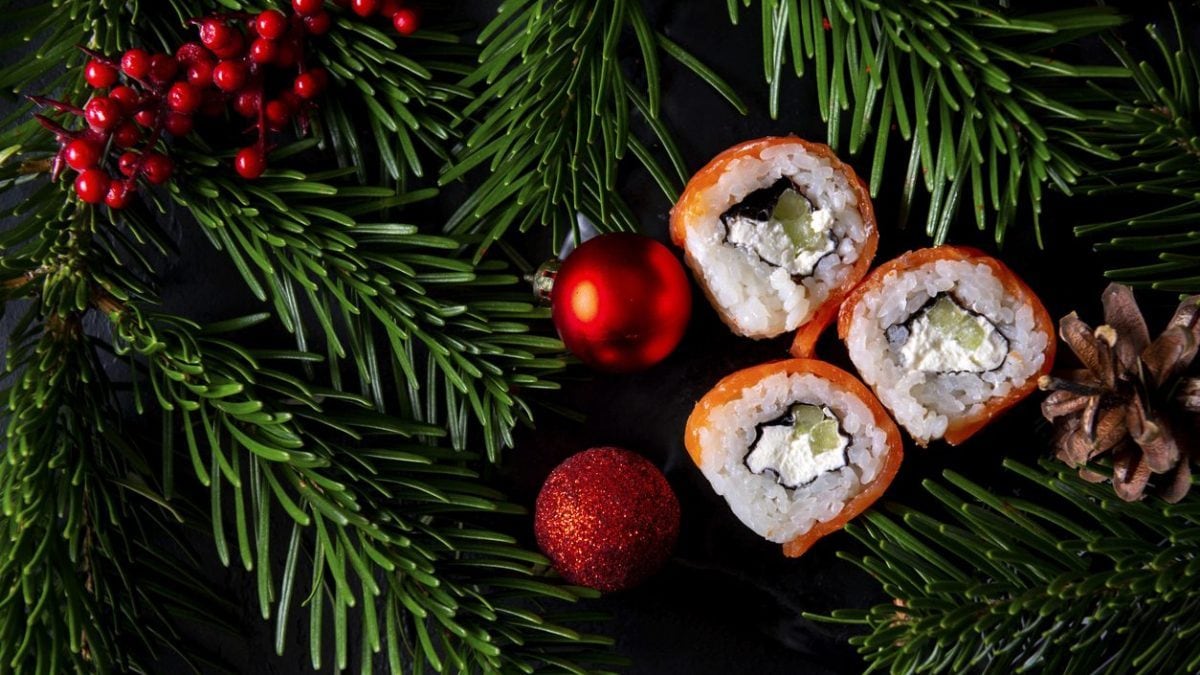
Christmas is approaching, and while you're busy packing presents, making last-minute lists, and an ever-filling pantry, there's a corner of the world where this holiday takes on a completely different flavor. We're talking about Japan, a country that in recent years has seen tourism explode like never before, attracting travelers from all over the globe. This is thanks not only to the pop culture of anime and manga, but above all to its cuisine, capable of captivating the palate and captivating everyone who encounters it.
This is demonstrated by the widespread diffusion of Japanese restaurants, a phenomenon that is particularly fertile ground in the U.S., transforming our country into one of the privileged theaters of its enormous popularity. Many people are now fascinated by this culture that combines modernity and delicacy, and sometimes even pomp. The same is true for Christmas.
Would you ever have thought that, despite not being a country accustomed to Catholic religious celebrations, the Christmas season is deeply felt here? If you stick around, we'll reveal some special gems you absolutely must know—and, who knows, maybe you'll even want to take a trip to Japan during this very period.
Lovers' Christmas
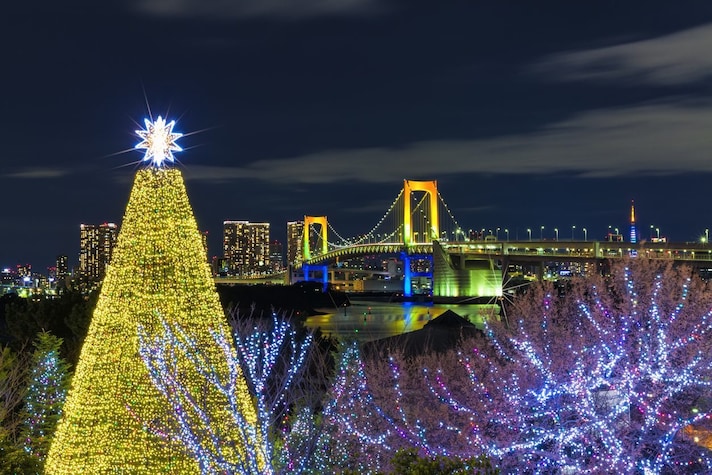
It's too easy to book a vacation to Japan between March and April; the cherry blossoms are in full bloom and it's considered the most beautiful time to visit. But if you venture into the streets of Tokyo and Osaka during the Christmas weeks, you'll discover a completely different atmosphere, far removed from nativity scenes, family lunches, and endless Christmas dinners. Here, Christmas comes alive with skyscrapers that sparkle like gigantic decorations, monumental fir trees placed in parks and key city landmarks, and shop windows decorated with almost obsessive precision.
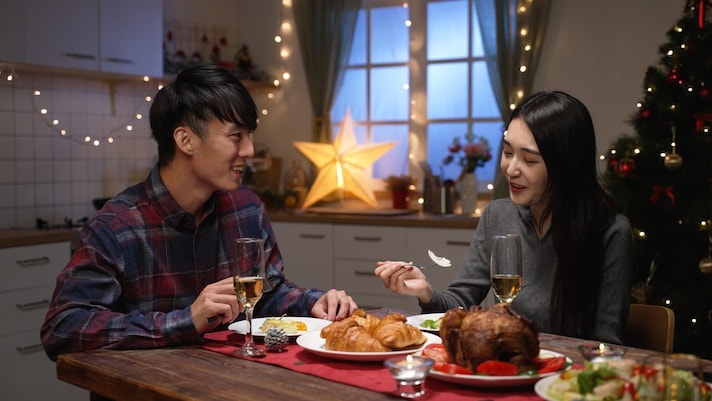
There's a small disclaimer: after December 25th, Japanese Christmas essentially "dissolves" completely. Even Christmas Eve dinner takes on a very different character from ours: more than a family moment, it's a romantic date, an opportunity to spend time with the person you love and treat yourself to an evening together, just like we would on Valentine's Day. A celebration that changes shape, but that doesn't mean it loses its charm.
Authentic "Washoku" Cuisine Typical of The Christmas Season
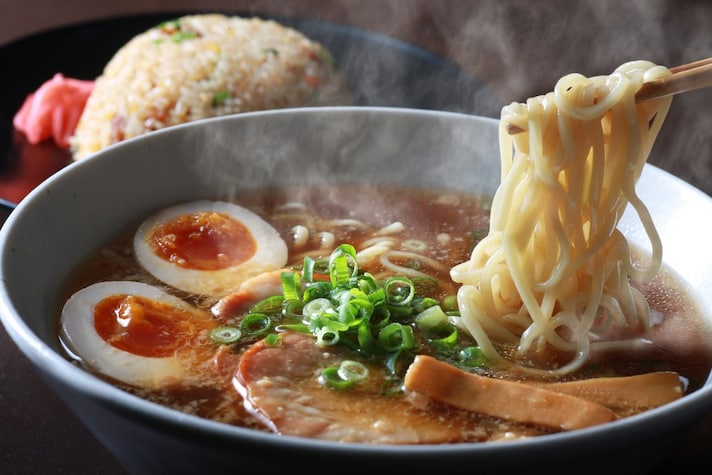
Alongside the more pop culture side of the holiday, authentic cuisine (washoku) remains inseparable, the kind that warms the Japanese winter. During the Christmas season, there are some typical dishes that completely steal the show. We couldn't help but start with ramen, the quintessential winter dish. You probably already know that it's a large bowl of broth rich in miso, dashi, sake, eggs, chicken, pork, or beef (depending on availability), and a generous portion of noodles. Essentially, this dish is a true concentration of umami that warms your body and heart, as we would say these days in the age of Instagram.
Let's not forget chashu, slices of pork marinated in soy sauce and spices and simmered. Besides being a perfect topping for ramen, they're also often served as a main course, especially during the colder months of the year.
Another typical Christmas dish in Japan is undoubtedly oden. It's a stew made with a wide variety of ingredients that are slowly simmered for a long time. It's composed of a hot broth made with dashi, roots, tofu, eggs, meat, pumpkin, potatoes, daikon radish, and shiitake mushrooms. It's served in a large pot called a "nabe" that's placed in the center of the table, from which each diner then takes their share. It's certainly one of those dishes that, besides warming you on cold days, creates harmony and conviviality within the family.
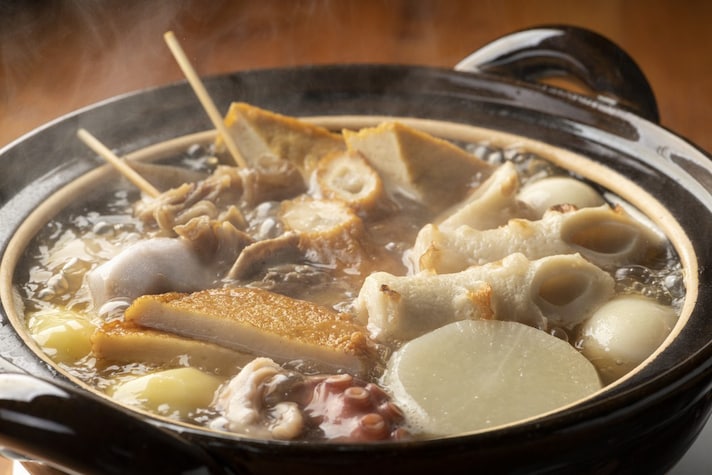
Another typical Japanese Christmas dish is eggplant with miso. We know it's not a seasonal vegetable, but in Japan, they're incredibly popular during this time of year. It's made by cutting eggplant into rounds and then sautéing them in oil for a few minutes. Once this process is complete, a glaze is prepared with a sauce made with a teaspoon of miso dissolved in water, sake, and sugar. Once the eggplant has been "polished," it's cooked for a few more minutes until the sauce thickens. The flavor is clearly umami with sweet notes that seem to finally prepare the stomach for the final dessert.
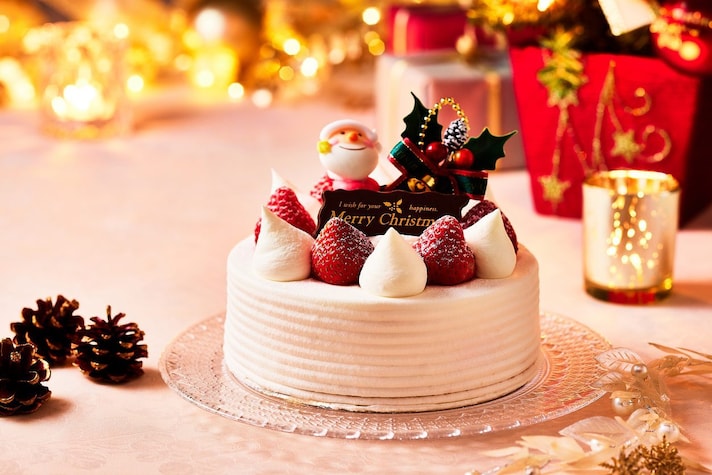
And now, among all the Christmas foods, we can't leave out the gigantic "Kurisumasu keek i – Christmas cake," the famous Japanese Christmas cake. Japanese pastry making is a much-discussed topic in the world of gastronomy. The attention to detail, the limited use of sugar, and the sophisticated geometric shapes make Japanese desserts perfect for haute cuisine. Kurisumasu keeki is equally perfect for Christmas: white, fluffy, decorated with cream and strawberries, practically the dessert every Japanese person loves. Served on this occasion, it conveys the most tender idea of Japanese Christmas.
;Resize,width=767;)
