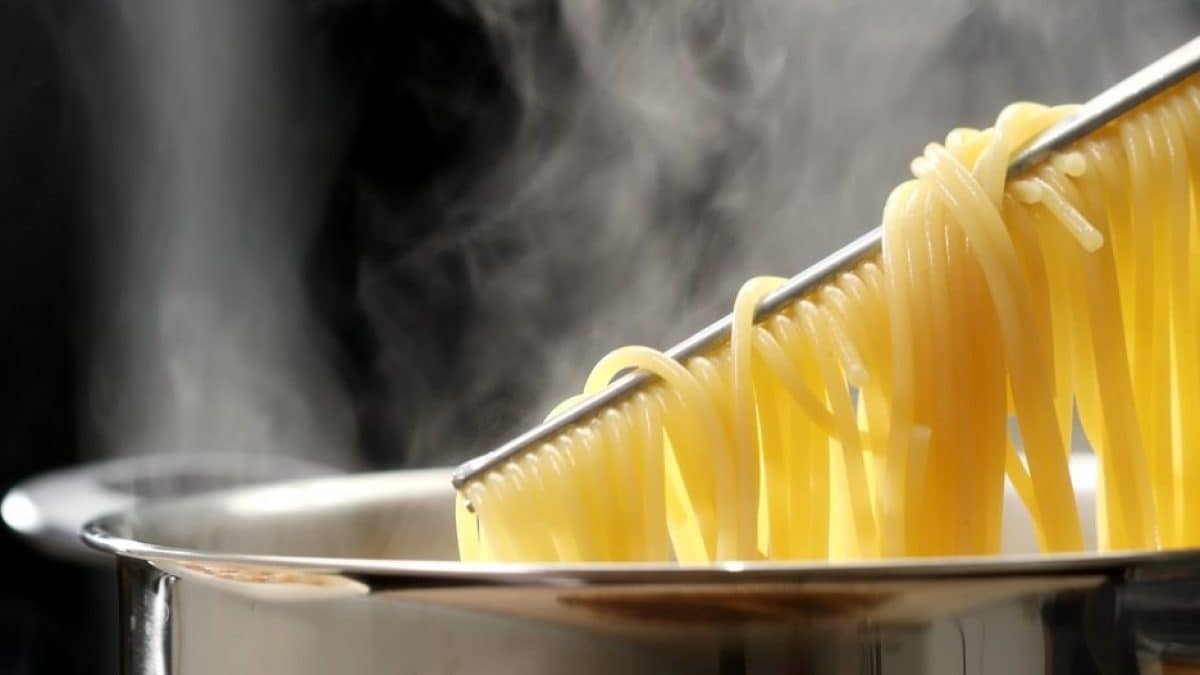
Pasta al dente or more cooked? This is the question that divides entire generations across the world. There's no absolute right answer, and we don't want to delve into the issue here because everyone can cook it however they like. But there's one piece of data that might sway us toward one choice over the other: research from Wageningen University & Research has confirmed that pasta cooked al dente helps you feel full much more quickly.
The Slower You Eat, the Less Food You'll Crave
The study's goal was very clear: to understand how the texture of a dish affects the speed at which it is consumed. The Dutch university research involved 54 volunteers who ate different versions of the same dish: each version varied in the cooking of the pasta, the texture of the vegetables, and whether or not it was served with a sauce. The results showed that those who ate more cooked pasta consumed 42% faster than those who ate less cooked pasta—a percentage that almost doubled for those who consumed softer vegetables.
What has been demonstrated, of course, is not simply a matter of taste: the speed at which we consume a meal affects our sense of satiety, which arrives sooner or later depending on the pace at which we eat. This is because eating "harder" foods requires longer chewing and also greater physical effort: in this context, eating pasta al dente would induce us to eat more slowly, stimulating the satiety receptors that signal the brain when it's time to stop. Conversely, overcooked pasta is eaten more quickly, absorbing starch more easily and consequently favoring glycemic spikes.

Is It Better to Cook Pasta al Dente or Overcooking It? It Depends.
Based on their findings, the researchers suggested that cooking pasta may be a practical tool for modulating eating behavior. Those wishing to control their appetite should opt for foods that require longer chewing, such as pasta al dente. It stands to reason, therefore, that those who need to increase their energy intake should prefer softer foods, which may lead to slightly larger intakes.
Compositionally, pasta is made up of starch and gluten: when cooked, the starch absorbs water, causing the pasta to swell, while the gluten helps maintain its structure, influencing its consistency. However, if cooking is too long, the gluten network weakens and some of the starch is released into the water: therefore, shorter cooking times allow the starch to hydrate, but not so much that it disperses. Maintaining this more or less stable structure slows the assimilation of sugars, resulting in a lower glycemic index. For this reason, regardless of personal preference, if you need to monitor your glycemic intake, the advice is to prefer pasta cooked al dente.
;Resize,width=767;)
