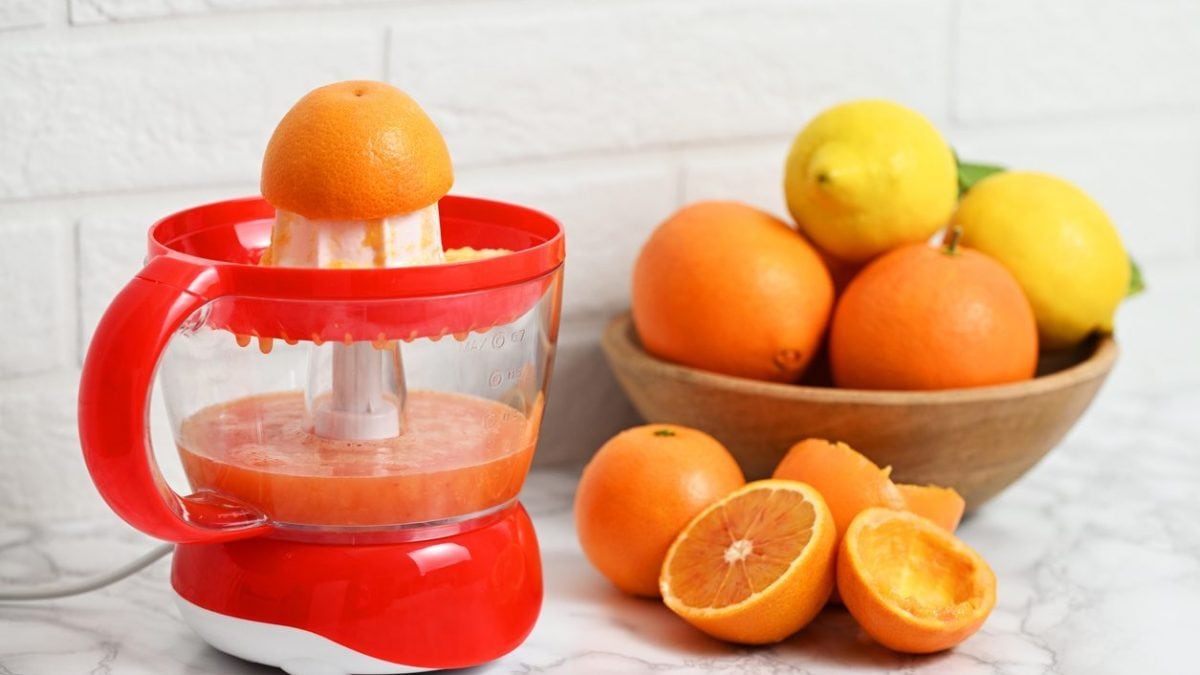
Oranges are an undisputed symbol of health, especially when squeezed: it's the star of what are considered healthy breakfasts (even if it's just a clever marketing ploy that gets us to drink it in the morning ) and it's one of the most nutritious drinks you can make at home. Juice, in fact, is a concentrate of all the best properties of oranges, particularly a burst of vitamins and minerals. But to be truly effective, it must be prepared and drunk in a certain way; in particular, it should never be strained. It's a very common habit, after squeezing the fruit, to strain the drink through a sieve to obtain a smooth liquid free of residues such as pulp. In reality, this is a mistake that compromises the nutritional effectiveness of orange juice.
Why Orange Juice Should Never Be Filtered
It's a habit we all fall into, and we're sure you've done it too: straining orange juice to avoid unpleasant residue in your mouth, which isn't always pleasant to drink. Nutrition experts, however, explain that it's best to never strain orange juice if you want to fully enjoy its excellent nutritional value. Most of the fruit's fiber, vitamins, and nutrients are found in the pulp, so if you remove it and drink only the juice, you'll absorb much less. It's precisely that part of the pulp you tend to strain that makes orange juice so beneficial for digestion, bowel function, and sugar absorption, as well as reducing the drink's satiating effect.

Other Rules to Follow for a Truly Effective Orange Juice
To reap the full benefits of freshly squeezed orange juice, it's not enough to simply avoid filtering it; you must also follow a few other rules to ensure it's truly effective. In particular, always remember to follow seasonality, because a truly energizing juice is one made from truly fresh and seasonal oranges (just because they're always available on the market doesn't mean they're always fresh). Drink your juice quickly, because vitamin C is volatile and begins to disperse into the environment after a few minutes. And remember to avoid drinking it with coffee. Although this is a widespread habit, it's incorrect, because caffeine inhibits the absorption of vitamin C.
;Resize,width=767;)
