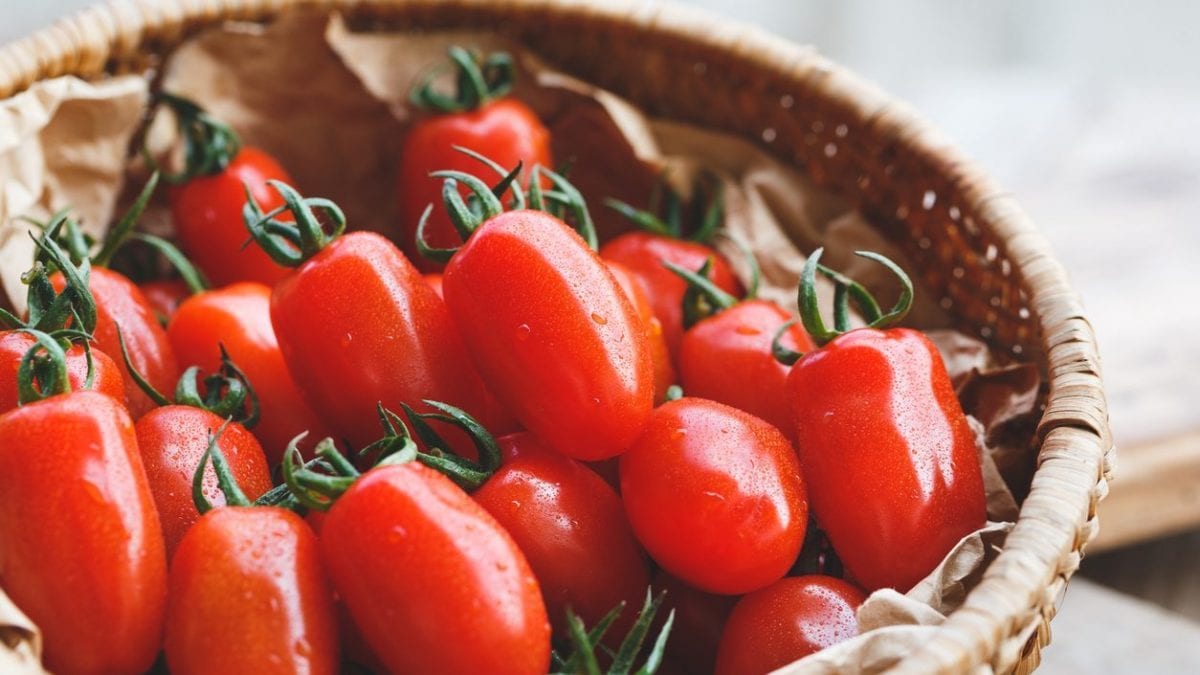
Native to Central and South America (particularly Peru and Mexico), the tomato, known in botany as Solanum lycopersicum, is a staple of Mediterranean cuisine. Although Europeans were initially reticent, using the tomato as a decorative and ornamental element (it was believed to be poisonous and inedible), their perception slowly changed: from the 18th century onward, the tomato began to be increasingly used in cooking and began appearing in all the most famous cookbooks. And thank goodness for that.
The tomato, which botanically is a fruit and not a vegetable, is sweet, juicy, and so versatile that it pairs well with any ingredient you pair it with. It has become the king of vegetable gardens and the undisputed symbol of the Mediterranean diet, not only for its sensory characteristics, but above all for its properties: the tomato, of any variety, is a true elixir for our body, providing countless and precious beneficial properties.
Tomatoes' Properties and Benefits
Tomatoes have an impressive nutritional profile, making them excellent for the human body in many ways, a true cornerstone of a healthy diet. They are composed primarily of water, about 94 percent, and are low in calories (just 20 calories per 100 grams) due to their modest carbohydrate and protein content. However, they also provide a good amount of vitamins, fiber, and elements such as potassium, phosphorus, and folic acid. Their characteristic red color is due to the presence of lycopene, a carotenoid with extraordinary beneficial properties: it acts as a true cell scavenger, prevents oxidative stress, and even has anti-tumor effects. And all these qualities are present not only in raw tomatoes, but also remain intact in cooked tomatoes, making them essential for human physical well-being.
Natural Antioxidant
The presence of lycopene makes tomatoes a powerful natural antioxidant: this means that, when consumed regularly, they help fight free radicals, protecting cells from oxidative damage and also acting on the skin, where they also stimulate melanin production. Furthermore, lycopene, combined with the vitamin C found in tomatoes, also plays an important role in strengthening the immune system.
Heart's Friend
Tomatoes contain a high amount of potassium, making them a great ally for the heart: their action helps fight cardiovascular disease, prevents circulatory problems, and is also useful for regulating blood pressure. Some scientists have also highlighted their ability to reduce blood cholesterol levels. Lycopene, which itself is highly beneficial in reducing the risk of cardiovascular disease, is also very useful in this regard.

Help for Bones, Skin and Eyes
The good amount of vitamin K and calcium contributes to a healthy and strong musculoskeletal system, reducing the risk of osteoporosis. Lycopene plays a crucial role here, as it promotes the formation of new bone tissue. Vitamin K also supports skin health, while beta-carotene, which converts to vitamin A in the body, promotes healthy vision.
Digestion Support
Rich in fiber, tomatoes are an excellent support for the stomach and intestines: not only do they promote proper digestion, but thanks to their fiber content they are excellent for preventing and fighting constipation, as well as a valid aid in promoting good intestinal transit.
Support for Diets and Sports Activities
Tomatoes are rich in potassium, making them very beneficial for those who participate in high-intensity sports, as well as for the elderly and convalescents. Despite this, however, they are not a fatty food; quite the opposite: rich in water and low in calories, tomatoes are an ideal food for those following a low-calorie diet or simply watching their weight. Furthermore, due to their high water and potassium content, they have a diuretic effect that helps reduce fluid retention and the formation of cellulite.

Antitumor Action
The high lycopene content, present in both the pulp and the peel of tomatoes, is the subject of careful study by scientists: in fact, it would appear that regular consumption of this fruit could help reduce the risk of cancer since lycopene itself appears to have a positive preventative effect on cells.
Pregnancy Ally
During pregnancy, it's very important for women to consume folic acid, also known as vitamin B9, a water-soluble B vitamin that plays a crucial role in several biological processes, particularly cell growth and development. Tomatoes are naturally rich in folic acid and therefore provide significant support during pregnancy to prevent possible birth defects.
Tomatoes' Consumption Contraindications
Aside from some known allergic conditions, tomatoes don't have any major side effects: they're generally considered a good, healthy food that doesn't require any particular restrictions. Only in some specific cases is it advisable to avoid them or to moderate their consumption. For example, you should eat them sparingly if you suffer from heartburn or gastroesophageal reflux disease, as the acidic component could worsen the symptoms of these two conditions.

It's also best to limit tomato consumption if you have kidney disease, irritable bowel syndrome, or allergies not directly related to the fruit itself, such as nickel allergy. In general, if you experience symptoms such as heartburn, abdominal pain, or other gastrointestinal problems after eating tomatoes, it's best to consult your doctor to assess the need to limit or eliminate your tomato consumption.
What About Tomato Juice?
Tomato juice retains almost all the benefits of the fresh fruit: it's a valuable source of lycopene, a powerful antioxidant beneficial for heart health, skin health, and for counteracting oxidative stress. It also contains vitamin C, potassium, and other phytochemicals that support the immune system and contribute to good hydration.
In the kitchen, tomato juice is a surprisingly versatile ingredient: in addition to being consumed as a natural beverage or the base for iconic cocktails like the Bloody Mary, it can be used to enhance sauces, soups, and marinades, adding intensity and freshness to dishes. It's a practical and healthy way to bring the flavor of tomatoes even out of season.
;Resize,width=767;)
