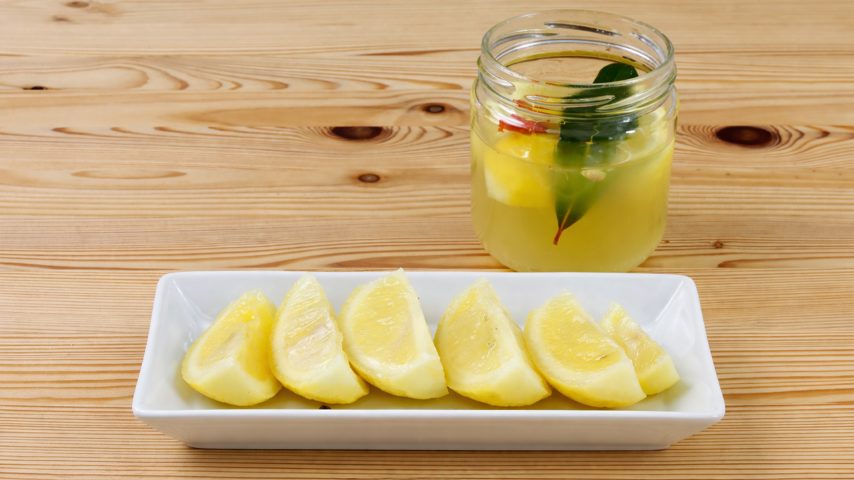
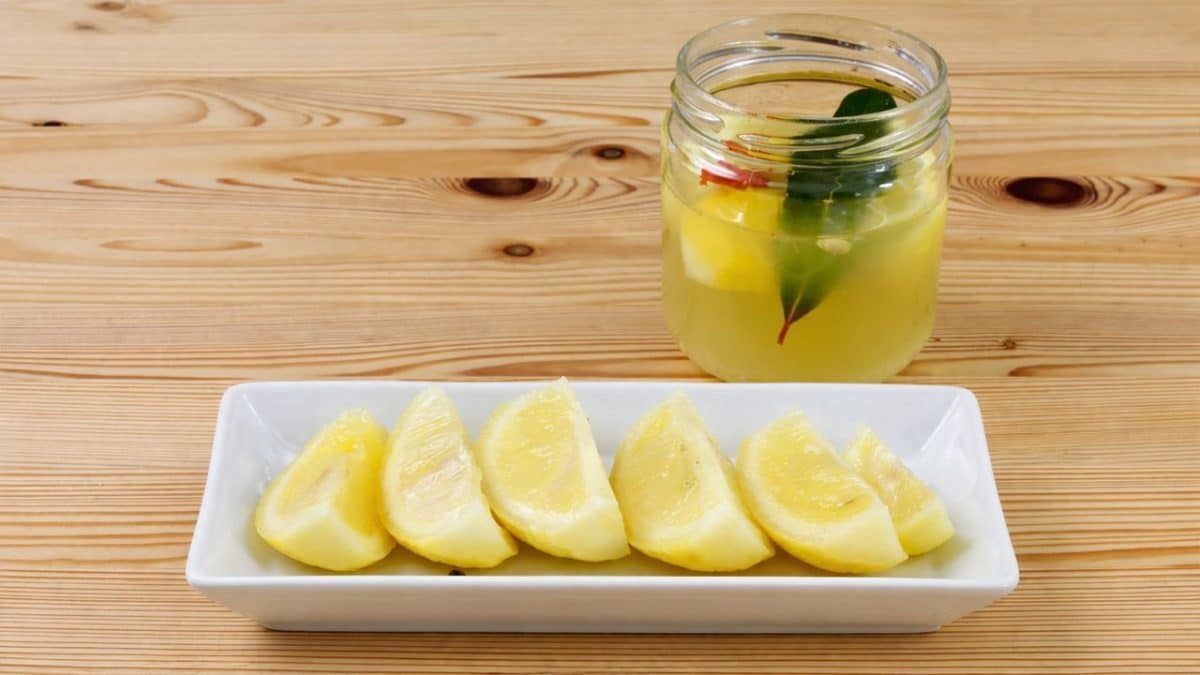
Preserved Lemons, also called Confit Lemons, are a traditional Moroccan ingredient known for their intense citrus flavor and soft texture. Prepared with fresh lemons, coarse salt, lemon juice, and aromatic spices, they transform over time into a unique condiment that adds brightness and depth to many dishes.
Used in tagines, couscous, salads, sauces, and marinades, preserved lemons are a simple way to bring the flavors of North African cuisine into your kitchen.
Why Everyone Will Love This Recipe
Preserved lemons are incredibly versatile and add a wonderful balance of salty, tangy, and aromatic flavors to both traditional and modern recipes. The long curing process softens the lemon peel and reduces bitterness, creating a complex ingredient that can elevate even simple dishes.
They are also easy to prepare. With only a few ingredients and some patience, you can create a homemade condiment that adds a professional touch to everyday cooking.
What Are Preserved Lemons (Confit Lemons)?
Preserved lemons, known as lḥamd mraqqad in Moroccan cuisine, are a traditional ingredient made by curing lemons in salt and their own juice. They have been used for centuries across North Africa, especially in Morocco, where they are an essential component of dishes such as chicken tagine with olives and lemon.
The preservation technique reflects a long culinary tradition of using salt to extend the life of seasonal ingredients before refrigeration existed. Over time, the lemons develop a softer texture and a deeper flavor, with the peel becoming edible and highly aromatic. Today, preserved lemons are appreciated worldwide for their ability to add a distinctive Mediterranean and North African character to recipes.
Cooking Tips
- Choose organic or unwaxed lemons whenever possible because the peel is preserved and used in cooking, making the quality of the skin especially important.
- Wash and dry the lemons thoroughly before preparing them to remove any surface residue and ensure a clean preservation process.
- Use coarse salt generously because it is the key ingredient that draws out moisture from the lemons and helps create the characteristic preserved texture and flavor.
- Make sure the lemons are completely covered with lemon juice inside the jars to prevent exposed pieces from drying out or developing unwanted flavors.
- Allow the lemons to cure for the full 30 days because the resting period is what transforms the fresh fruit into a softer, more aromatic ingredient.
- Use clean, sterilized jars to help maintain the quality of the preserved lemons throughout the curing process.
- Rinse the lemons lightly before using them in recipes if you want to reduce some of the saltiness while keeping their intense citrus aroma.
Frequently Asked Questions
What Kind of Lemons Are Best for Preserving?
Small, thin-skinned lemons with a strong aroma are ideal because the peel becomes soft and flavorful during the curing process. Organic lemons are preferred since the skin is consumed.
How Are Preserved Lemons Used in Cooking?
Preserved lemons are commonly chopped and added to Moroccan tagines, couscous, salads, sauces, marinades, and seafood dishes. Both the peel and the softened pulp can be used depending on the recipe.
Can I Add Other Spices?
Yes, spices such as coriander seeds, cinnamon sticks, cloves, or peppercorns can be added to create different flavor variations while maintaining the traditional preservation method.
Can I Make Preserved Lemons Less Salty?
Yes, rinsing the lemons briefly before use can reduce the saltiness while keeping their unique fermented citrus flavor.
Can I Use Other Citrus Fruits?
Yes, similar techniques can be used with other citrus fruits like limes or small oranges, although the flavor and texture will vary.
How to Store
Store the sealed jars of preserved lemons in a cool, dark place during the curing process. Once opened, keep the jar refrigerated and make sure the lemons remain covered with lemon juice to maintain freshness and quality.
How to Freeze
Freezing is not necessary for preserved lemons because the salt-curing process naturally extends their shelf life. If desired, small portions can be frozen in airtight containers, but the texture may become softer after thawing.
Ingredients
How to Make Moroccan Preserved Lemons
;Resize,width=712;)
Remove the ends of the lemons and cut each one into 4 wedges.
Remove the ends of the lemons and cut each one into 4 wedges.
;Resize,width=712;)
Insert the lemon wedges into sterilized glass jars.
Insert the lemon wedges into sterilized glass jars.
;Resize,width=712;)
Add the bay leaves, peppercorns and chillies.
Add the bay leaves, peppercorns and chillies.
;Resize,width=712;)
Add plenty of coarse salt.
Add plenty of coarse salt.
;Resize,width=712;)
Complete with lemon juice until completely covered.
Complete with lemon juice until completely covered.
;Resize,width=712;)
Close the jars and leave to rest in a dark, cool, dry place for about 30 days.
Close the jars and leave to rest in a dark, cool, dry place for about 30 days.

Once the resting time has elapsed, the candied lemons are ready to be used. Enjoy!
Once the resting time has elapsed, the candied lemons are ready to be used. Enjoy!
;Resize,width=767;)
