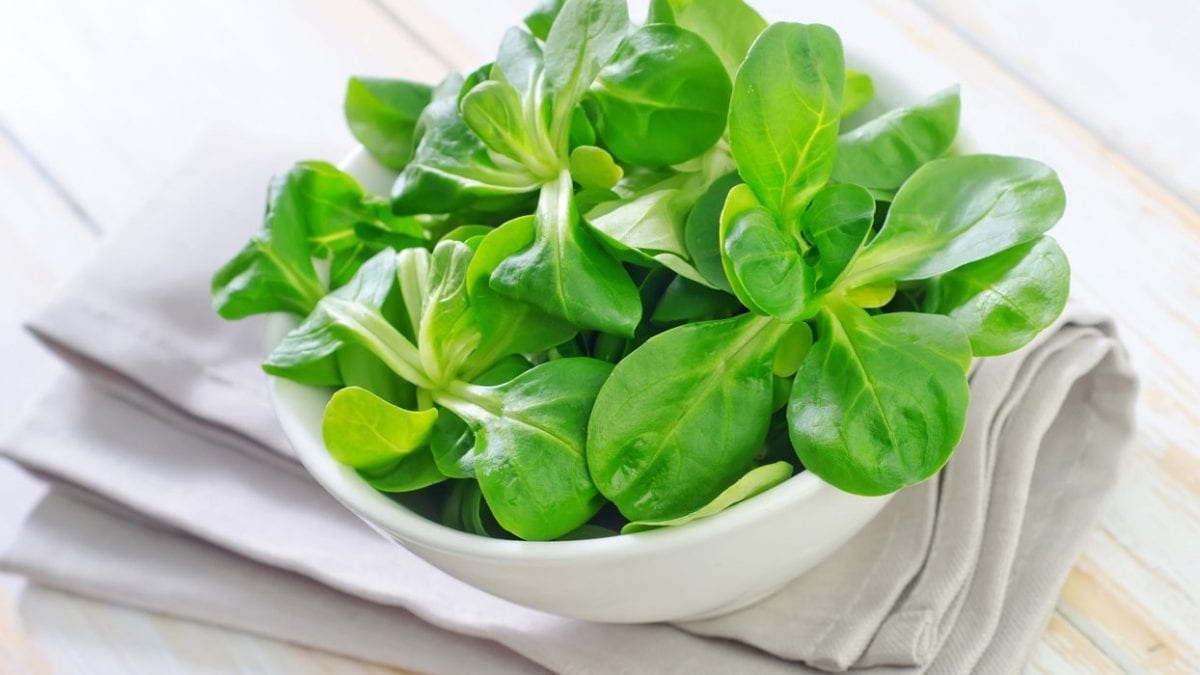
Valerian, scientifically known as Valeriana officinalis, is a perennial plant that grows wild in many areas of Europe and around the world, especially in humid environments, along waterways and in mountain forests. In the U.S., it is fairly easily found in the northeastern and Pacific Northwest regions, but it is also cultivated for phytotherapeutic purposes for the extraction of its active ingredients: it cannot go unnoticed for its delicate white-pink flowers that appear in June and July. Its fame is due to its age-old use in natural medicine, especially for the treatment of insomnia and anxiety: its roots, once dried, are used to prepare herbal teas, infusions, mother tinctures and drop supplements, often recommended to promote relaxation and improve the quality of sleep.
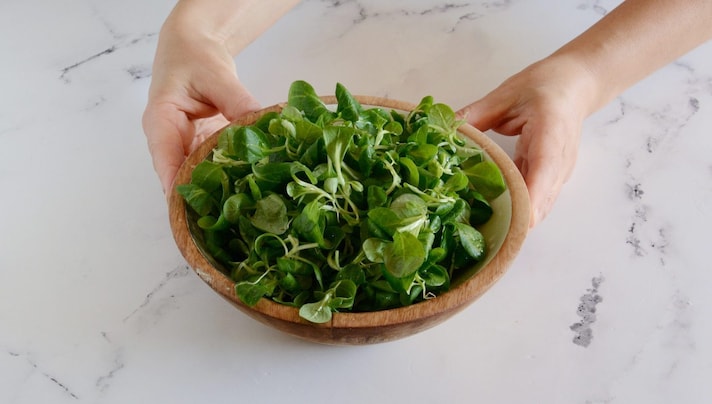
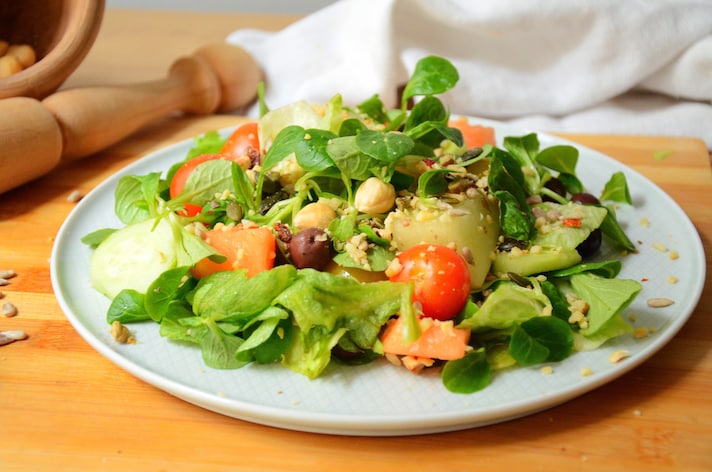
Be careful, however, not to confuse it with valerianella (Valeriana locusta), the common lamb's lettuce that is eaten in salads, like lettuce and chicory: both belong to the same botanical family of Caprifoliaceae, but in this case we are talking about an ingredient to be eaten fresh, a source of well-being for the body because it is light, rich in water, low in calories, contains vitamins A, B and C and mineral salts such as iron and potassium, with a diuretic and purifying action. Valerian officinalis, on the other hand, is one of the most popular herbal remedies that is taken in preparation form: for this reason it is good to know its benefits and also possible contraindications.
Valerian's Benefits
Valerian is appreciated in phytotherapy for its relaxing, sedative and antispasmodic properties, mainly attributed to compounds such as valerenic acids, valepotriates and the essential oil contained in its roots: they act on the central nervous system promoting a state of calm, but also have positive effects on digestion.
1. Promotes Sleep and Improves the Quality of Rest
This is probably the best-known benefit. Valerian appears to interact with the GABA-A receptor, reducing the activity of nerve cells: this means it works as a sedative, without causing addiction or the “foggy awakening” effects typical of hypnotic drugs.
2. Reduces Anxiety and Stress
Thanks to its calming effect, valerian is recommended during periods of particular emotional tension, such as exams, work deadlines, or stressful situations. It can reduce the symptoms of mild anxiety, such as palpitations, nervousness, and agitation.
3. Relieves Muscle Cramps and Tension
The plant's muscle-relaxing effect can be useful in cases of muscle pain related to stress or fatigue. It is also sometimes used to relieve abdominal cramps.
4. It Can Help With Premenstrual Syndrome
Some studies suggest that valerian – like lemon balm, with which it is often paired – can reduce typical premenstrual symptoms, thanks to its relaxing action on both a physical and emotional level.
5. Counteracts Some Gastrointestinal Tract Disorders Related to Anxiety
In particularly sensitive individuals, anxiety can cause gastrointestinal disturbances, such as irritable bowel syndrome, abdominal tension, or slow digestion. In these cases, valerian, thanks to its antispasmodic properties, can help improve symptoms.
It is important to remember, however, that the effects of valerian, although documented by numerous studies, vary from person to person and that it is always recommended to use it under medical advice or from experts (pharmacists, herbalists).
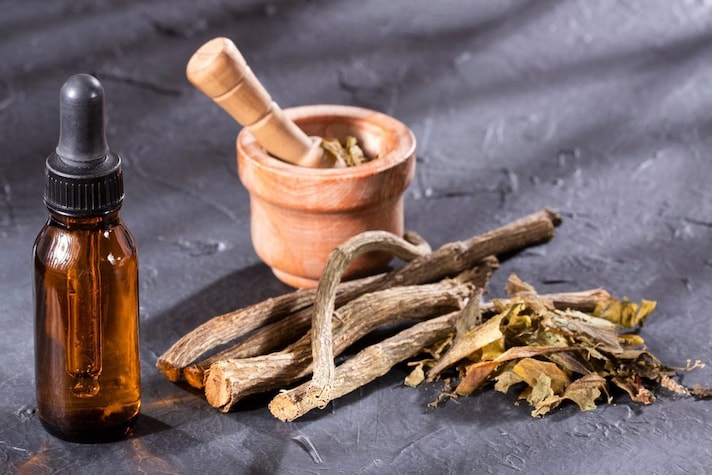
Valerian's Contraindications
Valerian is considered a relatively harmless natural plant, but it is not without contraindications and should be used with caution, especially if you are currently undergoing medication or have specific conditions. For example, its use is not recommended for children under 12, pregnant women, or breastfeeding women, as there is insufficient data to confirm its safety. Those taking sedative, anxiolytic, or antidepressant medications should avoid combining the two therapies, as valerian may enhance their effects, causing excessive drowsiness or arrhythmias. It should also be avoided before driving or engaging in activities that require concentration, due to the potential for reduced alertness.
;Resize,width=767;)
