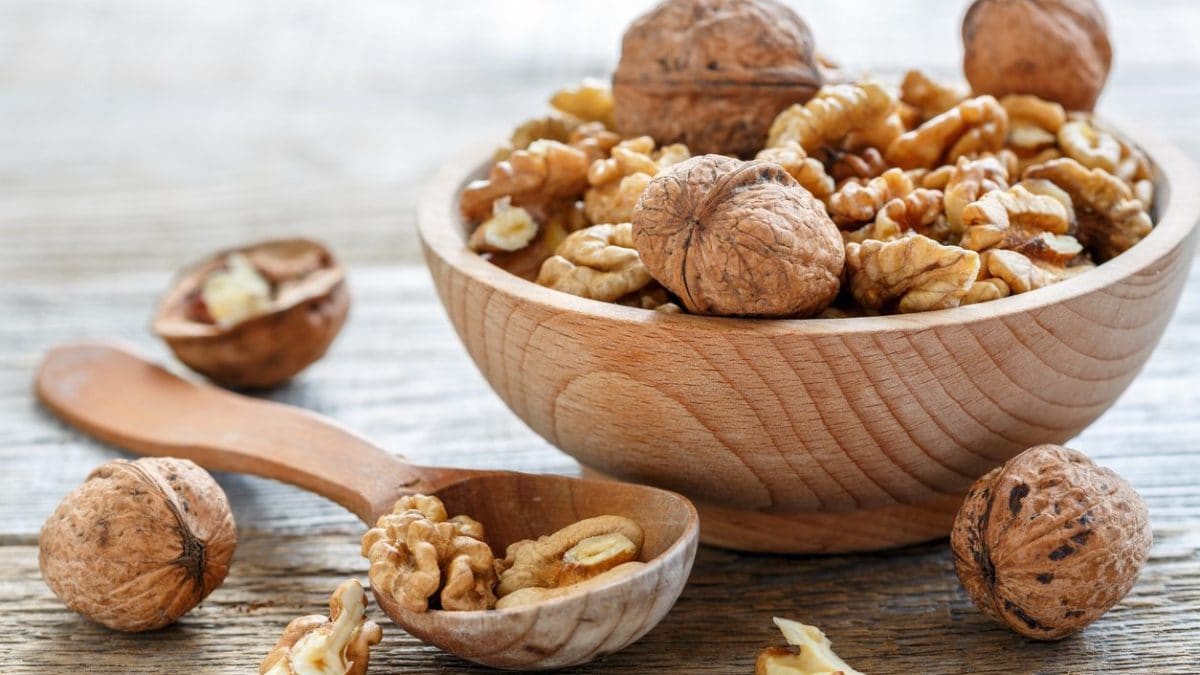
They are crunchy, tasty, and versatile in the kitchen: walnuts can be eaten as a snack or used as an ingredient in sweet and savory recipes. They are part of the so-called tree nuts, now considered a superfood due to the numerous benefits attributed to the entire category, including almonds, pistachios, and hazelnuts, to name the best-known, nutritious and rich in antioxidants that play a valuable protective role on the body. The most popular walnuts are the seeds of the Juglans regia plant, a tree known as the white walnut or common walnut, native to Asia and arrived in Europe in ancient times, perhaps a few millennia ago. The drupes are composed of a rather hard, inedible shell and a kernel, which is the edible part, with a wrinkled appearance—it almost resembles a miniature brain—and have become a cornerstone of the Mediterranean diet, like all nuts in general. There are many varieties in the U.S. and around the world. Let's look at the properties of walnuts, why they are a health ally, and their possible side effects.
Walnuts' Calories and Nutritional Properties
Let's start immediately with the value that does not go unnoticed as soon as you examine the nutritional table: 100 grams of walnuts provide 589 kcal and this makes them a highly caloric food. They are distributed in proteins (10.5 g), carbohydrates (5.5 g), soluble sugars (3.4 g), fibre (3.5) and lipids (57.7 g): making a proportion, 88% of a walnut is made up of fats. Yes, but which ones? And this is where you need to pay attention: in fact, it is a very high quantity of polyunsaturated omega-3 and omega-6 fatty acids, essential for the well-being of our body – so much so that they are defined as good fats – which does not produce them, but must take them from outside. As regards micronutrients, however, walnuts are a concentrate of minerals, in particular potassium, phosphorus and calcium (as indicated by Healthline), but they are also not lacking in iron, magnesium, copper, manganese and sodium. Furthermore, the presence of vitamins should not be underestimated: there are those of the B group (1, 2, 3, 6), vitamin A (in the form of retinol) and vitamin E, which is a powerful antioxidant. As in all plant-based foods, they are cholesterol-free.

How Many Walnuts Can You Eat?
Now that we know what a walnut is made of based on its nutrients, it's easier to understand why experts recommend daily, but moderate, consumption, as it is a high-energy food. The recommended daily intake according to official guidelines is 30 grams of walnuts—which is not the same as dehydrated fruit —and oilseeds, which in our case corresponds to 7-8 walnuts.
Walnuts' Properties and Benefits
Walnuts are a food that has long attracted great interest for their many qualities, and there is no shortage of studies confirming these virtues: let's look at walnuts specifically to understand what they are good for.
1. Heart's Best Friends
Many of the positive effects of walnuts on the body include benefits for the cardiovascular and metabolic systems. Alpha-linolenic acid, an omega-3, helps reduce levels of "bad" cholesterol (LDL) and keeps blood vessels more elastic. Regular consumption of walnuts may help control blood pressure and prevent atherosclerosis, as well as problems related to overweight and obesity, such as strokes and heart attacks.
2. Energy Supply
Walnuts provide a significant calorie intake thanks to their combination of healthy fats, protein, and fiber. This allows for gradual energy release, preventing glycemic peaks and sudden hunger pangs. They're therefore a perfect snack for athletes, students, and workers, or as a natural restorative for those recovering from illness.

3. They Lift Your Mood
Walnuts contain tryptophan, an amino acid that stimulates the production of serotonin, the so-called "happiness hormone." Together with omega-3s and B vitamins, they help reduce stress: a study linked academic stress and negative mood, demonstrating the beneficial effects of daily consumption on students' mental health.
4. Sleep Allies
Melatonin is the hormone that regulates the sleep-wake cycle, and in walnuts, as in other vegetables, it is present in the form of phytomelatonin. Recent studies conducted on a sample of adults between the ages of 18 and 35 show that consuming a small handful of walnuts after dinner increases melatonin levels in our bodies. Added to this is magnesium, which promotes muscle and nervous system relaxation, creating the ideal conditions for a good night's sleep.
5. General Well-Being
Walnuts contain a precious mix of antioxidants and anti-inflammatories: for this reason they are recommended as a panacea for the immune system, digestion and for fighting cellular aging. Several studies have linked them to greater longevity and a general improvement in the quality of life.

Contraindications
In summary: walnuts are a valuable health food, but like all foods, they should be consumed in moderation and with due consideration for some possible side effects. Regarding dried fruit, the first limitation is quantity: in fact, if consumed in the recommended doses—even the famous 3 walnuts a day recommended by nutritionists is enough, a healthy habit — walnuts do not cause weight gain, while weight gain is encouraged when consumed in excess, especially if added to a high-calorie diet that is predominantly fat-based. The second aspect, however, concerns allergies: walnuts can trigger allergic reactions in predisposed individuals, and these can manifest themselves in varying degrees of severity.
;Resize,width=767;)
