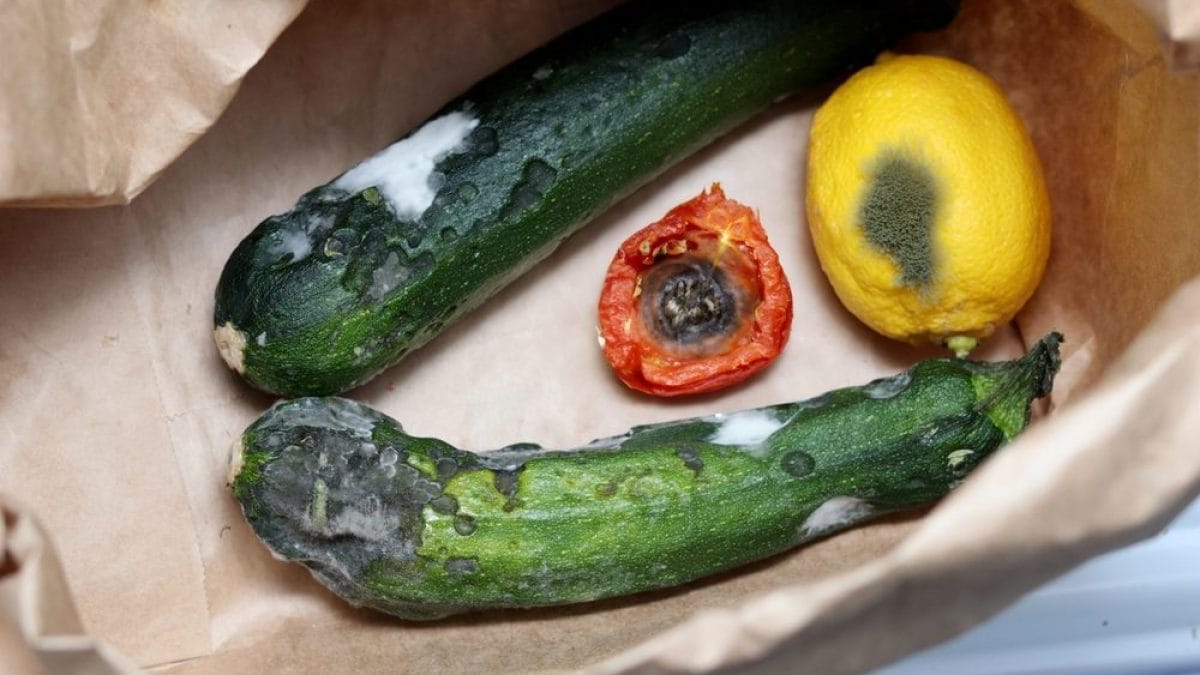
Fresh fruit, vegetables, and bread are among the foods that nutritionists and health institutions recommend eating most frequently: they form the heart of a healthy and balanced diet and play a central role in national and international nutritional recommendations. Yet they are among the foods we waste the most at home.
It's only an apparent paradox: a significant portion of the food thrown away belongs precisely to the types of products considered essential to a healthy and sustainable diet. These aren't foods consumed occasionally or superfluous, but essential components of our daily diet, whose high perishability makes them particularly vulnerable along the path from purchase to consumption.
Why The Healthiest Foods End Up in The Trash
In recent years, there has been growing attention toward a diet richer in plant-based products: nutrition education campaigns encourage increased consumption of fruit, vegetables, and legumes for health and environmental sustainability reasons.
However, buying more fresh produce does not automatically guarantee a reduction in waste: on the contrary, many of these foods have a limited shelf life and require more careful planning than processed or long-life products.
The risk is that some purchases are made with the best intentions but aren't actually consumed before spoilage. The result is that a theoretical improvement in dietary quality may be accompanied by an increase in the amount of food wasted.
There are several reasons: fruit and vegetables are highly perishable and are often purchased in quantities exceeding actual needs. Promotional offers, a large weekly shop, or the desire to "eat healthier" can lead to refrigerators and pantries being filled beyond a family's actual consumption capacity. Added to this are storage errors, a lack of knowledge of food's actual shelf life, and the tendency to prioritize the aesthetics of products: many perfectly edible foods are discarded because they have lost their crispness, freshness, or perceived optimal appearance, despite maintaining their nutritional and safety characteristics.
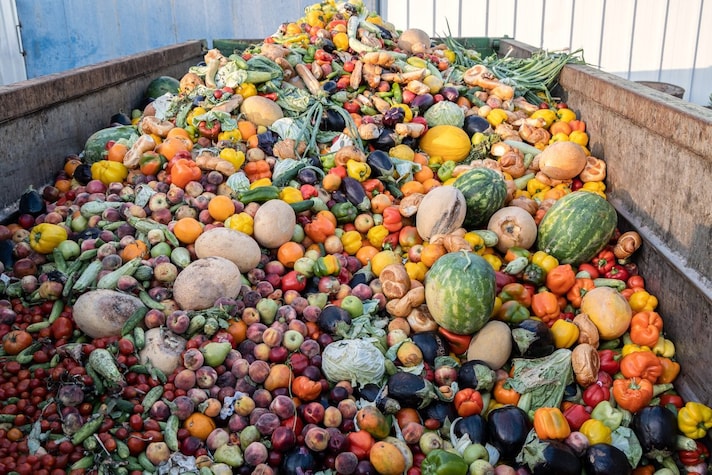
Waste is Not Just About Food
When you throw away an apple or a lettuce, you don't just lose a food item: you also lose all the resources used to produce it. Water, energy, fertilizers, transportation, packaging, and human labor have already been used before the product reaches our homes. This is why food waste is considered one of the main critical issues facing contemporary food systems: according to institutions that deal with food sustainability, reducing losses and waste is one of the most effective strategies for reducing the environmental impact of the agri-food sector without sacrificing the nutritional quality of diets.
Sustainability Comes After Spending
When it comes to sustainable eating, the focus often falls on purchasing choices: local, seasonal, organic, or locally sourced products. These are important aspects, but they're only part of the equation.
Even managing food at home impacts the overall sustainability of a diet: properly storing food, planning meals, using leftovers, and purchasing adequate quantities are behaviors that can significantly reduce the environmental impact associated with food. In other words, sustainability doesn't end at the supermarket checkout but continues in family kitchens and refrigerators.
;Resize,width=767;)
