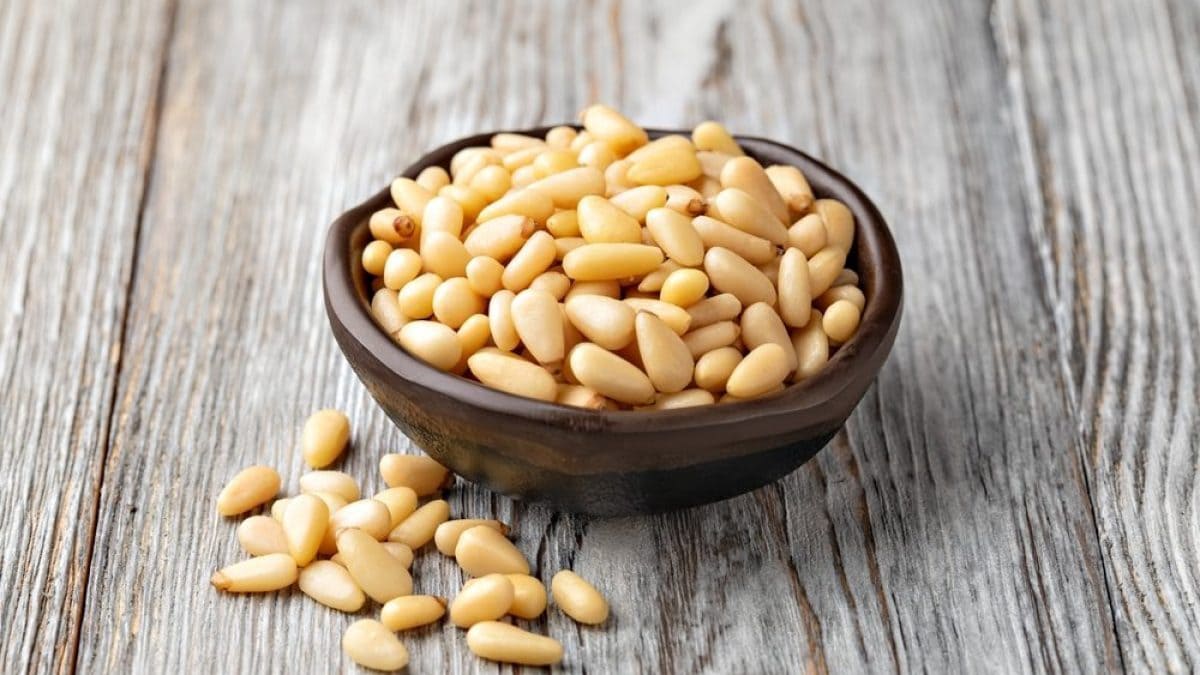
Pine nuts are a true masterpiece of nature: oily seeds of the pine tree, particularly the stone pine or Swiss pine, they are a variety of dried fruit with ancient origins, consumed throughout the world. They grow wrapped in a shell called a strobilus and "hide" in the scales of pine cones, which are then left to dry in the sun. Only when they are dry are the pine nuts extracted, the ones we find on supermarket shelves and the star of your recipes.
One of the main qualities of pine nuts is their incredible versatility in the kitchen and the possibility of using them in a wide range of sweet and savory recipes. They're obviously essential for making a proper pesto alla genovese, the most famous Ligurian condiment, but they can be added practically anywhere, from meat (especially white cuts) to side dishes, from salads to desserts. But the benefits of pine nuts don't end there: they're a particularly beneficial seed and, despite being high in calories, they're very beneficial for your body if consumed in moderation because they're rich in minerals, fiber, and vitamins. What are pine nuts good for? What do they contain, and what are their contraindications? Let's explore them together.
Pine Nuts' Properties and Benefits
Oilseeds are known for being particularly high-calorie and energy-dense foods, and pine nuts are no exception: according to their nutritional profile, 100 grams of pine nuts provide approximately 600 kcal, mostly from lipids, which is why they should be consumed in small quantities and in moderation. Pine nuts also boast a whole host of nutrients that are particularly beneficial for the human body, particularly minerals including calcium, magnesium, phosphorus, copper, iron, and zinc, another protein component, and a notable presence of vitamin B2, vitamin E, and vitamin K. They also contain a good dose of omega-3 and omega-6 fatty acids, as well as fiber, essential for intestinal health, and carbohydrates, responsible for the characteristic sweetish flavor that characterizes these seeds. How does this nutritional richness translate into benefits for the body? Here are all the beneficial effects of pine nuts.

1. They Support Gut Health
Consumed in the right quantities, pine nuts are an excellent support for the intestinal tract thanks to their high fiber content: it is precisely this fiber that supports and protects the intestinal flora and, with it, the normal functioning of the intestine. Not only that, they also contain healthy fatty acids such as oleic and pinolenic acid, which are also very useful for managing intestinal health.
2. They Have a Good Antioxidant Effect
Pine nuts have a strong antioxidant effect thanks to the presence of certain vitamins, particularly vitamin E, manganese, and a substance called lutein. All these components play an important role in combating the action of free radicals and cellular aging, thus improving tissue health (including skin, which appears smoother and more radiant) and preventing diseases caused by premature cell deterioration.
3. They Curb Hunger
Although they're high in calories, pine nuts are often included as a snack on diets, obviously in limited quantities. But why, if they're so high in calories? The reason lies in pinoleic acid, a particular component of pine nuts believed to reduce hunger by acting on two appetite-suppressing hormones secreted by the upper and lower small intestines, respectively. This means that pine nuts slow stomach emptying and food absorption, promoting a feeling of satiety and curbing the desire to eat more.
4. They Are Natural Energizers
Rich in protein and unsaturated fats, pine nuts are a true natural energizer, ideal for athletes and highly recommended for combating stress and fatigue. Furthermore, these oily seeds are also rich in magnesium, excellent for relieving muscle pain, as well as tension and fatigue caused by stress and fatigue.
5. They're Friends of The Heart (And Cholesterol)
Also due to the quality of their content of "good" fatty acids, pine nuts have been recognized as healthy for the heart and in the prevention of cardiovascular disease, because the content of healthy fatty acids helps prevent deposits in the arteries and has a beneficial effect on cholesterol and triglyceride levels in the blood, reducing the risk of heart disease. Furthermore, pinoleic acid helps lower high blood pressure and reduce blood cholesterol levels by promoting the absorption of "bad" cholesterol by the liver, while vitamin E, a fat-soluble antioxidant, also helps balance cholesterol levels and reduce the risk of cardiovascular disease.

6. They Strengthen the Immune System
The zinc and vitamin E found in pine nuts are essential for the proper functioning of the immune system and for protecting cells from oxidative stress. These two compounds, combined with a good dose of vitamin C, give pine nuts antibacterial, antiviral, and anti-inflammatory effects, as demonstrated by several scientific studies, and are therefore useful for preventing colds, coughs, and seasonal ailments.
7. They Support Bone Health
Pine nuts are rich in vitamin K, phosphorus, magnesium, and calcium, essential micronutrients for strengthening bones, increasing bone mineral density and reducing the risk of fractures. They also contain vitamin D, which is why they are often recommended for those suffering from osteoporosis.
8. They Keep the Brain Healthy
Pine nuts boast a series of components that are very useful for increasing the energy available to the brain and maintaining general good health. This function is mainly due to the presence of pinoleic acid, highly beneficial thanks to its antioxidant properties, the richness of copper and thiamine, both essential for supporting various brain functions (particularly cognitive function and mood), and vitamin E, an important neuroprotective element.

What is The Recommended Daily Dose?
Experts recommend consuming 20-30 grams of pine nuts per day, equivalent to a small handful or about two heaped tablespoons. This amount allows you to benefit from the valuable nutrients of pine nuts without exceeding the calories.
Pine Nuts' Contraindications
The main contraindication of pine nuts, regardless of any specific allergies, is primarily their high calorie content: they should be consumed in moderation by everyone, but especially by those with weight-loss issues, obesity, or diabetes. Be careful if you have specific digestive issues (gastritis, irritable bowel syndrome), as the high fiber content could trigger the opposite effect and cause intestinal problems, especially if consumed in excess. Pine nuts should also be limited or avoided if you are taking anticoagulant drugs, as the omega-6 fatty acids they contain can interact with these medications. In this case, it's best to consult your doctor. Finally, pine nuts have a peculiarity: they can trigger cacogeusia in some people, a sort of metallic taste in the mouth, which tends to resolve on its own without any consequences. For this reason, however, it's best to avoid them while breastfeeding, as this phenomenon can alter the flavor of breast milk.
;Resize,width=767;)
