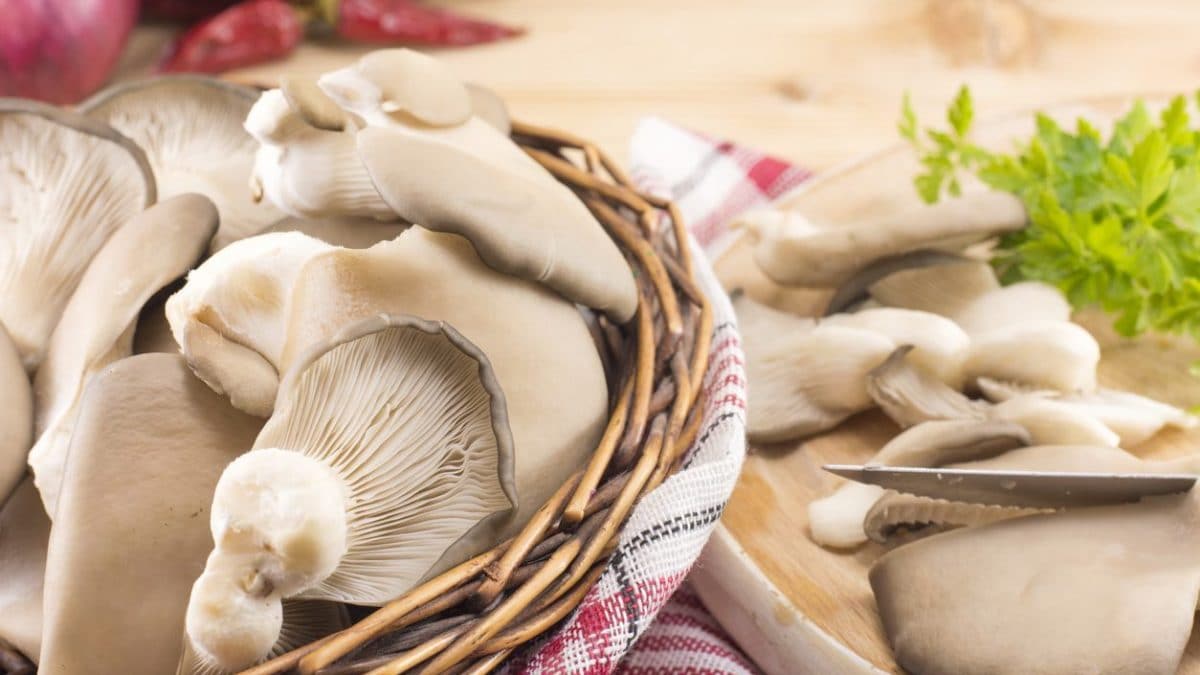
Among the most common and versatile mushrooms in the kitchen, pleurotus mushrooms are also among the easiest to recognize, even for less experienced foragers: they have an unmistakable shape, characterized by a very large, flattened cap reminiscent of oysters, so much so that they are also known as "oyster mushrooms," as well as "ear mushrooms" for their resemblance to the auricle. Easy to find on the market, especially from autumn to spring, pleurotus mushrooms are divided into several sub-varieties, all edible and highly versatile thanks to their firm, fibrous flesh and elastic pulp. Rich in vitamins and low in calories, pleurotus mushrooms are easily found on deciduous tree trunks, and all grow close together in a characteristic fan shape. How to recognize them, clean them, and cook them in delicious and authentic recipes? Here's everything you need to know about treating pleurotus mushrooms.
What Are Oyster Mushrooms and How to Recognize Them
Pleurotus mushrooms — also known as oyster mushrooms —are a particular type of mushroom famous for their unique shape, reminiscent of an oyster or an ear. It's no coincidence that the species' scientific name, Pleurotus Ostreatus, derives from the Greek words "pleuron," meaning "side," and "otos," meaning ear, meaning "with the ear (cap) on the side." Ostreatus, on the other hand, derives from the Latin "ostrea," meaning oyster, due to the cap's resemblance to an oyster shell.
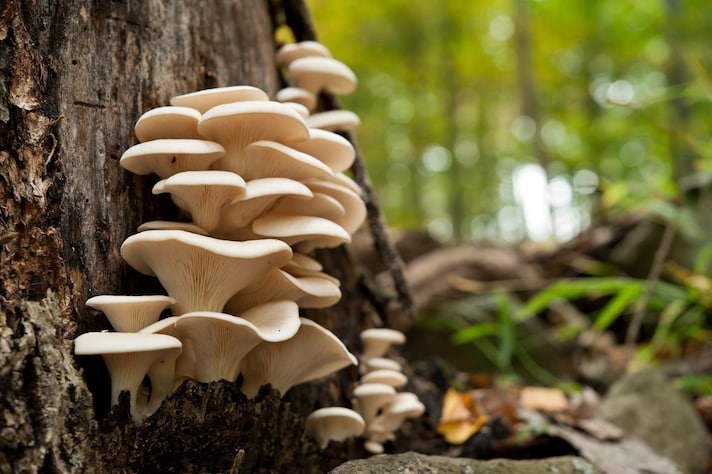
Why sideways? Because of the unique way these mushrooms grow, usually lateral on dead or old stumps, live trunks of broadleaf trees such as mulberry, oak, or poplar, and in families of many specimens that fruit from autumn to the following spring (but can also withstand particularly mild winters). It's not difficult to recognize the pleurotus: the cap can be different colors (white, gray, beige, purple) but always has the same fan or shell shape, the stem short, lateral, or almost absent, the gills dense and decurrent, and above all, the characteristic smell of fresh flour and sweetish flavor, with firm, fibrous flesh; they have no poisonous lookalikes, making them safe to collect even for those who are not great mushroom experts.
What Do Oyster Mushrooms Taste Like?
One of the first things you notice about oyster mushrooms is their distinctive odor, an aromatic note reminiscent of fresh flour, but also containing traces of walnuts. This delicate aroma is also reflected in their flavor, which is very delicate, sweet, and pleasant, with aromatic notes reminiscent of white meat, making them an excellent vegetable alternative. Depending on the species, the taste may also contain hints of nuts, particularly walnuts and almonds.
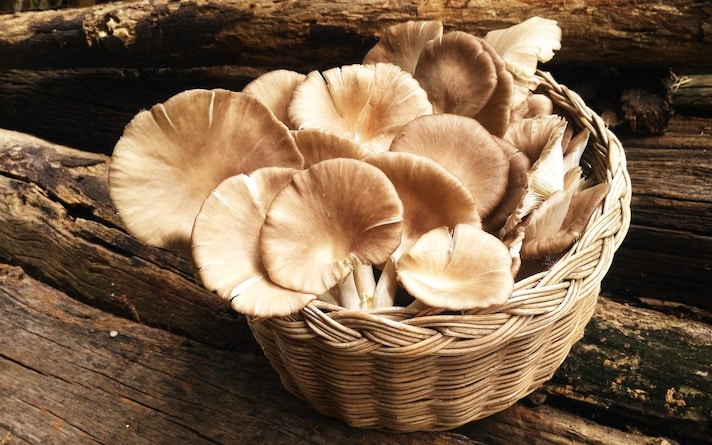
The secret to these mushrooms' versatility, however, lies not so much in their flavor as in the texture of their flesh: meaty, firm, fibrous yet tender, their flesh holds up very well during cooking, flakes easily, and always remains meaty, making them suitable for a wide variety of preparations, such as pan-fried, baked, or deep-fried. Furthermore, oyster mushrooms' flesh absorbs other flavors well, making them easy to combine with other ingredients or flavorings such as spices and herbs.
How to Clean and Prepare Oyster Mushrooms for Cooking
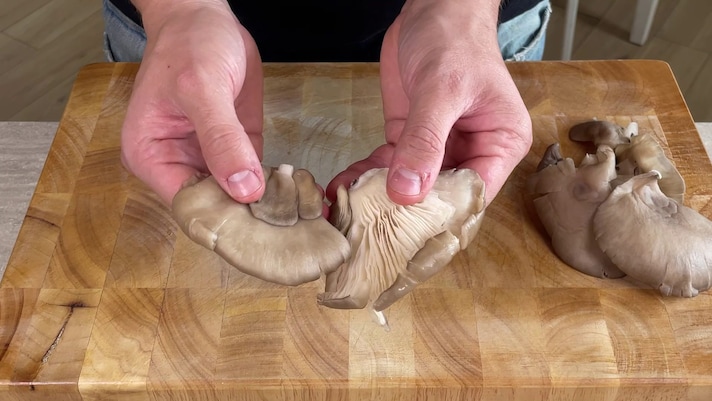
Unlike other mushrooms, oyster mushrooms have another advantage: growing on wood, they have no soil to clean, making them practically ready to cook. Cleaning them is much quicker and easier than other varieties that grow directly in the ground, such as boletes. Just remember that oyster mushrooms are like sponges, so don't wash them directly under water or immerse them in water, as they risk losing their firmness and becoming soft during cooking. The golden rule for cleaning oyster mushrooms is a sort of "dry cleaning": simply wipe the top of the cap with a slightly damp cloth and gently brush the gills underneath to remove any remaining soil or sawdust. At this point, the mushrooms are ready to cook: the cap can be used whole, while the stem, if particularly large or thick, should be cut into smaller pieces because it is tougher than the cap, and too thick pieces will not cook properly.
How to Cook Oyster Mushrooms
By following these simple cleaning tips, you'll have perfect mushrooms, ready for any recipe. But how do you cook oyster mushrooms? As we mentioned, they're a very versatile variety that lends itself to a variety of cooking methods: due to their rich flavor and texture, they're usually cooked on their own as a side dish, or even as a main course. They pair very well with meat, but they don't perform well in pasta sauces. Here are some ideas for showcasing oyster mushrooms and enjoying all their flavors.
1. Pleurotus Mushroom Cutlet
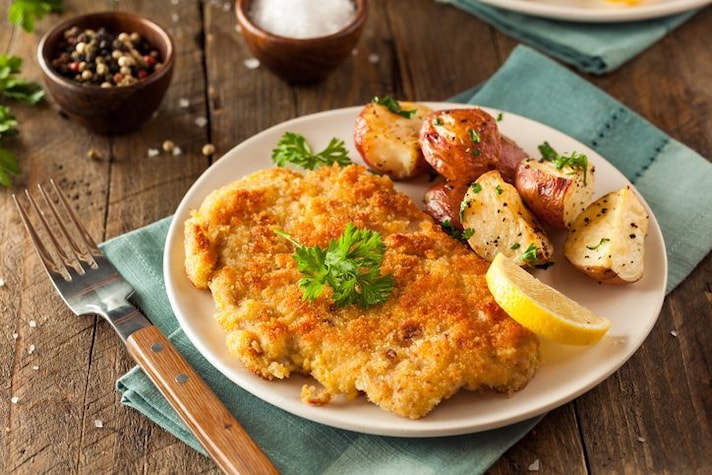
Precisely because of the size of the flesh and the firmness of the cap, one of the best recipes for cooking oyster mushrooms is as a cutlet: the elasticity and firm texture of these mushrooms are reminiscent of meat, so much so that this is a truly vegetarian recipe that can easily replace traditional cutlets. In our recipe, the mushroom caps are coated in a mixture of eggs and flavored breadcrumbs, then fried in boiling seed oil. You can also make the coating tastier by adding garlic or onion powder and two tablespoons of grated Parmesan cheese to the breadcrumbs. For a lighter version, you can skip the frying and bake them in the oven at 355°F/180°C for about 20 minutes, or until golden brown (or in an air fryer at 395°F/200°C for about ten minutes).
2. Pan-Fried Oyster Mushrooms
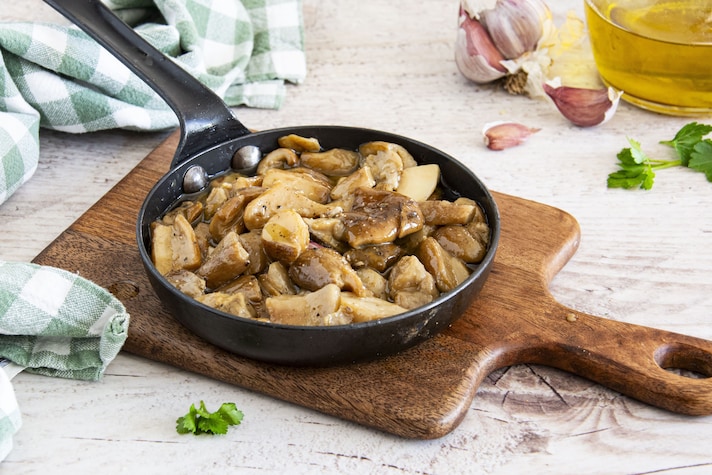
Pan-fried mushrooms are a classic side dish, simple and quick to prepare: excellent as an accompaniment to meat or fish dishes, as a filling for savory pies and crepes, or as a delicious one-pot meal when served with basmati rice. Pleurotus mushrooms, with their bold flavor and fibrous flesh, are perfect for this light, fragrant dish, ready in just a few simple steps: follow our recipe and you'll have a delicious condiment.
3. Oyster Mushrooms Au Gratin
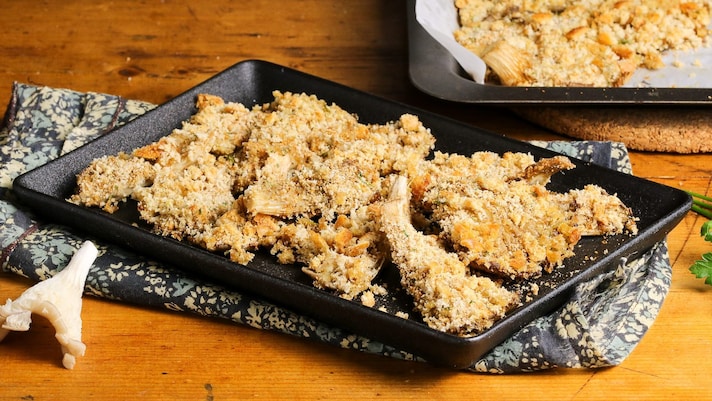
Large and meaty, oyster mushrooms are particularly well-suited to gratin: it's a great leftover recipe for using up stale breadcrumbs, which you can enjoy as a main dish or as a side dish to meat or fish. Oyster mushrooms can be baked or pan-fried; just season with garlic and fresh parsley.
4. Pleurotus Mushroom Quiche
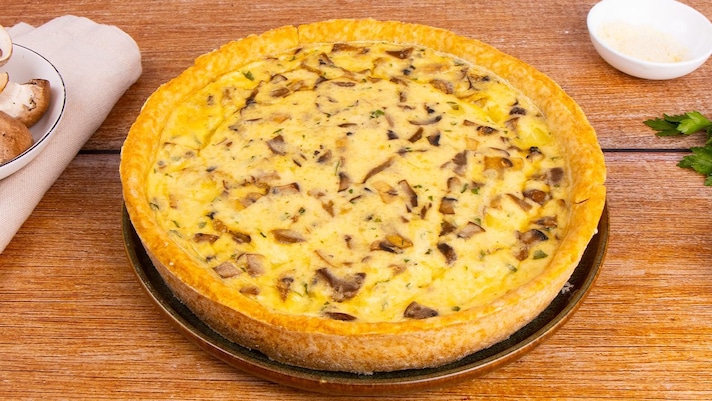
Mushroom quiche is a delicious twist on the classic vegetable quiche. You can make it with a variety of mushrooms, including pleurotus eryngii, choosing whether to use just one type or a mix of several, depending on availability. The recipe calls for a shortcrust pastry crust that encloses a veritable explosion of perfectly balanced flavors: the sweetness of the mushrooms melds with the sweet provola cheese, rendered stringy by baking, for a perfect combination of textures and flavors.
5. Sautéed Mushrooms Bruschetta
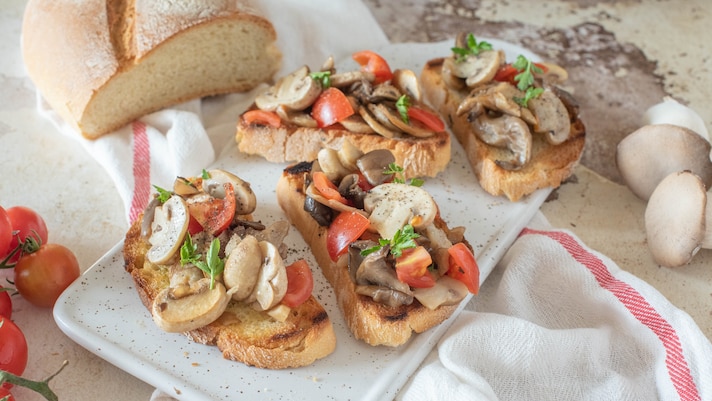
Sautéed mushroom bruschetta is a quick and delicious appetizer, perfect for an aperitif. These homemade bread crostini are toasted on a hot griddle and garnished with button and oyster mushrooms sautéed with cherry tomatoes and a drizzle of garlic and chopped parsley. Quick and easy to prepare, these sautéed mushroom bruschettas will take you very little time: cut the bread into thin slices, making them easier to bite into, then toast them on a hot griddle or in the oven and top with the sautéed mushroom mix. To make the bruschetta even more flavorful, you can add other ingredients, such as tufts of robiola cheese, crumbled feta, a few slices of speck, or chopped walnuts. To maximize the flavor of the mushrooms, add a pinch of dried porcini powder to the sautéed mushrooms.
;Resize,width=767;)
