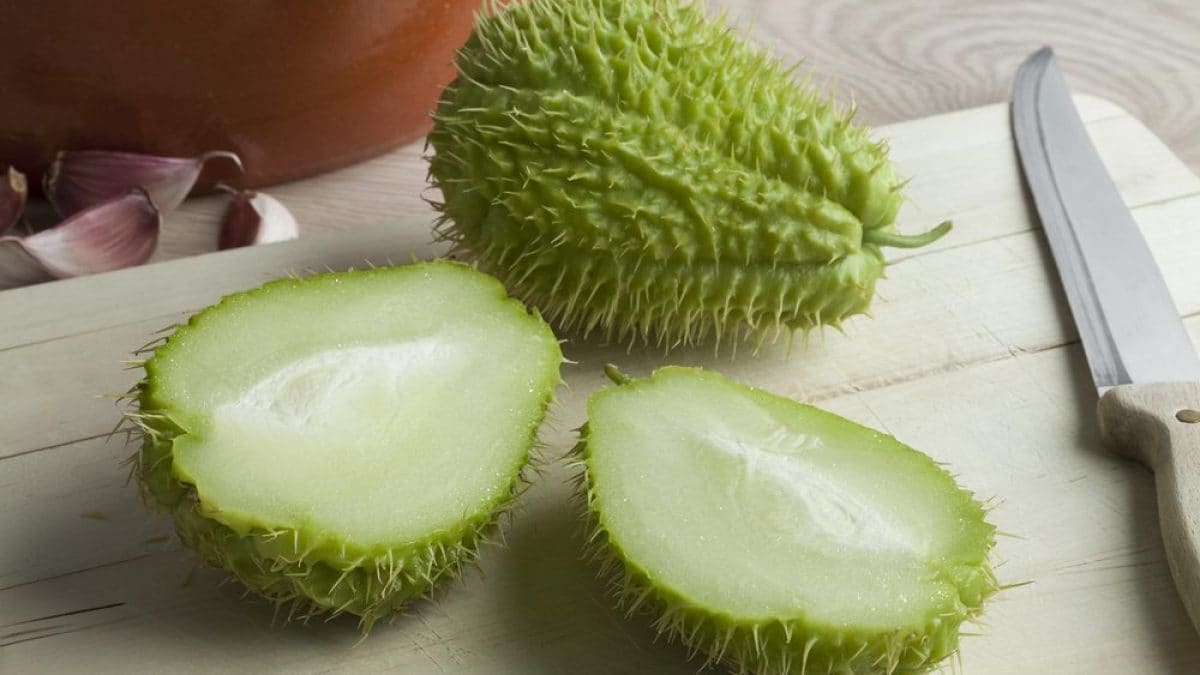
It's now very easy to find exotic fruits on our supermarket shelves, but did you know that there are also exotic vegetables you can add to your shopping list? For example, the prickly zucchini, a very particular vegetable derived from a plant belonging to the Cucurbitaceae family, is increasingly popular in the U.S.. Native to Central America, where it is commonly called chayote or sechio, the prickly zucchini owes its name to its skin covered in small needles. The reason for its success, however, is all on the inside: its flesh is firm and juicy, with a very sweet flavor reminiscent of a mix of yellow squash and cucumber, but it is also extremely beneficial, so much so that another name by which the vegetable is known is "centennial zucchini." Incredibly light and tasty, once cleaned properly it is very versatile and can be used in countless recipes. If you've never heard of it, now is the time to learn more about it.
What Are Prickly Zucchini?
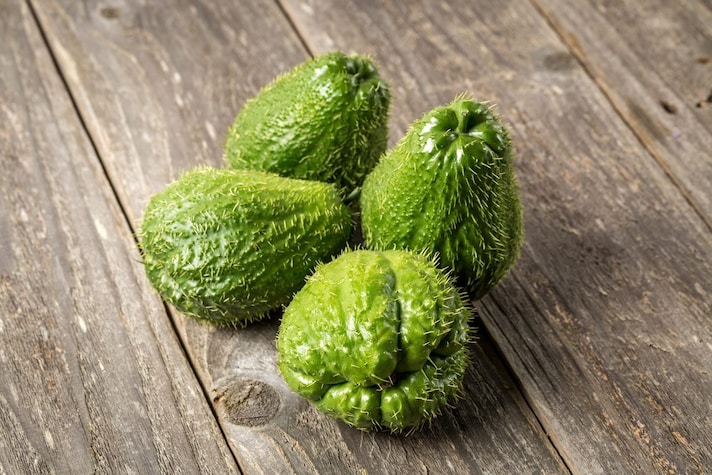
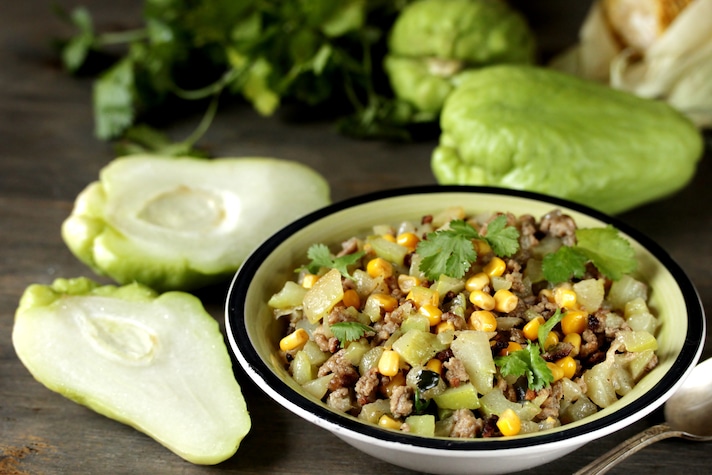
Native to Latin America, particularly Brazil and Costa Rica, the spiny zucchini – Sechium edule – is a distinctive vegetable with an easily recognizable shape: it is round and about the size of a pear, with a green or yellow skin covered in needle-like growths, actually small spines. Also known as chayote – its original name in Latin America – but known by various names including sechio, centenary pumpkin, spiny potato, and wolf's tongue, the prickly zucchini is often referred to as the “winter” zucchini: this is because its perennial plant can survive the winter in mild climates, continuing to produce fruit well into autumn and winter, or resprouting on its own in spring, offering a long-lasting crop that extends beyond the usual summer zucchini.
Winter zucchini are a veritable powerhouse of vitamins, particularly vitamin C and vitamin B, with a good water content and very low calorie count (100 grams contain just 19 calories). Rich in fiber and minerals, particularly calcium, magnesium, zinc, phosphorus, iron, and potassium, they contain no saturated, monounsaturated, or polyunsaturated fats. They are low in sugar and protein, while also containing polyphenols and antioxidants, making them excellent health foods, so much so that they're also known as the "century-old zucchini."
According to Central American tradition, even the leaves are said to have beneficial properties. When cleaned and brewed as a tea, herbal tea, or decoction, they are said to aid in the dissolution and subsequent expulsion of kidney stones. Even the roots of this vegetable are surprisingly palatable, becoming edible after just a few years of planting and having a flavor similar to sweet potato.
What Do Prickly Zucchini Look and Taste Like?
The most common name for cheyote in English is prickly zucchini, and it's all thanks to this vegetable's unmistakable appearance: the first characteristic that catches the eye is the peel covered in thorns, a sharp shell that hides the fruit's pulp. When properly cleaned, the zucchini spinosa reveals its delicate flavor, reminiscent of yellow squash, though slightly less sweet. The pulp, firm and rich in juice, also has a fresh note with an aftertaste reminiscent of cucumber, but it also has a softness once cooked that reveals notes very similar to those of potatoes. Inside it contains a single large edible seed, but its pulp is more commonly eaten raw or cooked.
Why Do Some Have Thorns and Others Don't?
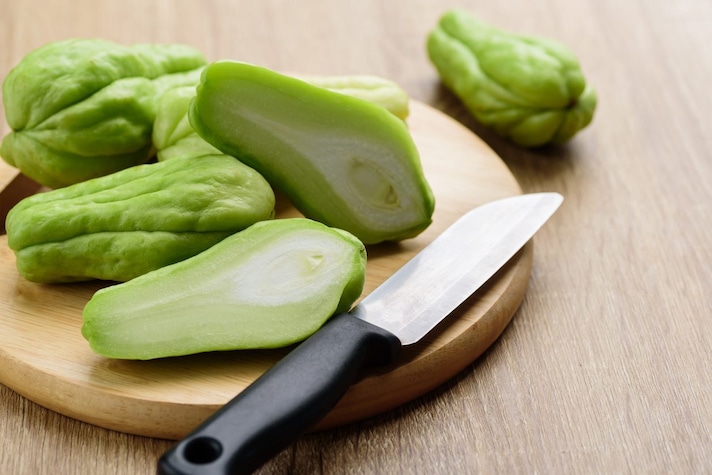
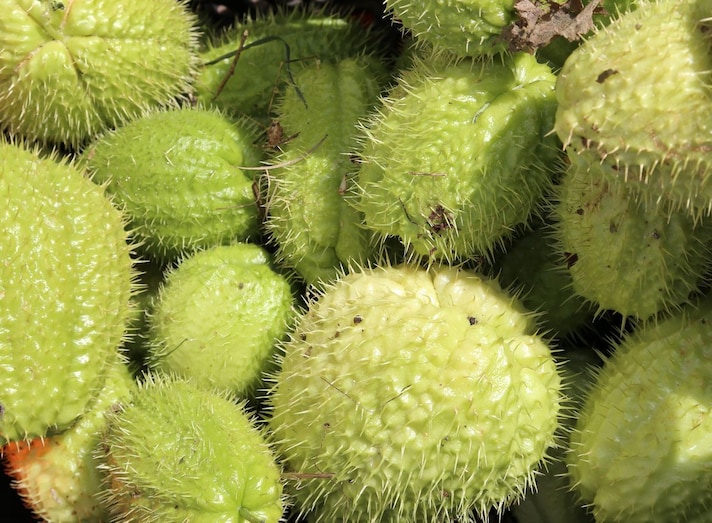
When we talk about prickly zucchini, we're not referring to a single variety, but rather a type of zucchini that encompasses several similar varieties. Some have clearly visible thorns, others only small hairs, and still others are almost smooth. The difference depends primarily on the variety and the selection process: traditional zucchini, cultivated for generations, tend to have more visible thorns, while more modern ones have been selected for smoother, easier-to-harvest skin. Even the same plant can produce more or less thorny fruits depending on growing conditions. For this reason, the term prickly zucchini includes zucchini with different appearances, but belonging to the same type and with very similar flavor characteristics.
How to Clean Prickly Zucchini
The prickly zucchini's skin is characterized by a rough, prickly peel that requires care when cleaning, both because of the very sharp thorns and because of the milky liquid the fruit releases when cut, which is very irritating to the skin, causing itching or discomfort. To avoid problems, we recommend wearing latex gloves or, even better, gardening gloves when cleaning the vegetable. How? The most practical method is to start by cutting it in half, then into quarters: this makes it easier to access the peel, allowing you to remove it more easily with a sharp knife or a sturdy peeler. During this step, be sure to remove not only the peel, but also the white seeds in the center and any tougher or more fibrous parts that you might feel.
To further simplify the process, you can soak the chayote quarters in hot water for a few minutes before peeling them: this will soften the peel slightly, making it less resistant to cutting. Once peeling is complete, rinse the pieces of flesh under cold running water to remove any remaining peel or milky liquid. Finally, dry them thoroughly with a cloth or paper towel before proceeding with your recipes.
How to Use Prickly Zucchini in The Kitchen
By following these steps, the prickly zucchini will be ready to be used in a variety of dishes: it is a very versatile vegetable, excellent both raw and cooked. Sliced raw, for example, it is easy to use as an ingredient in mixed salads, but also to enhance cold pasta dishes or to add a fresh and crunchy touch to bruschetta. Cooked, however, the prickly zucchini is used just like a "classic" zucchini; just remember that it doesn't require long cooking times and that it should be added to the other ingredients only shortly before finishing the dish. In South American cuisine, it is often used in minestrone, soups, and stews, but it is excellent steamed and eaten as a side dish with meat or fish. If you want to make it particularly tasty, try frying the prickly zucchini after dipping it in batter.
;Resize,width=767;)
