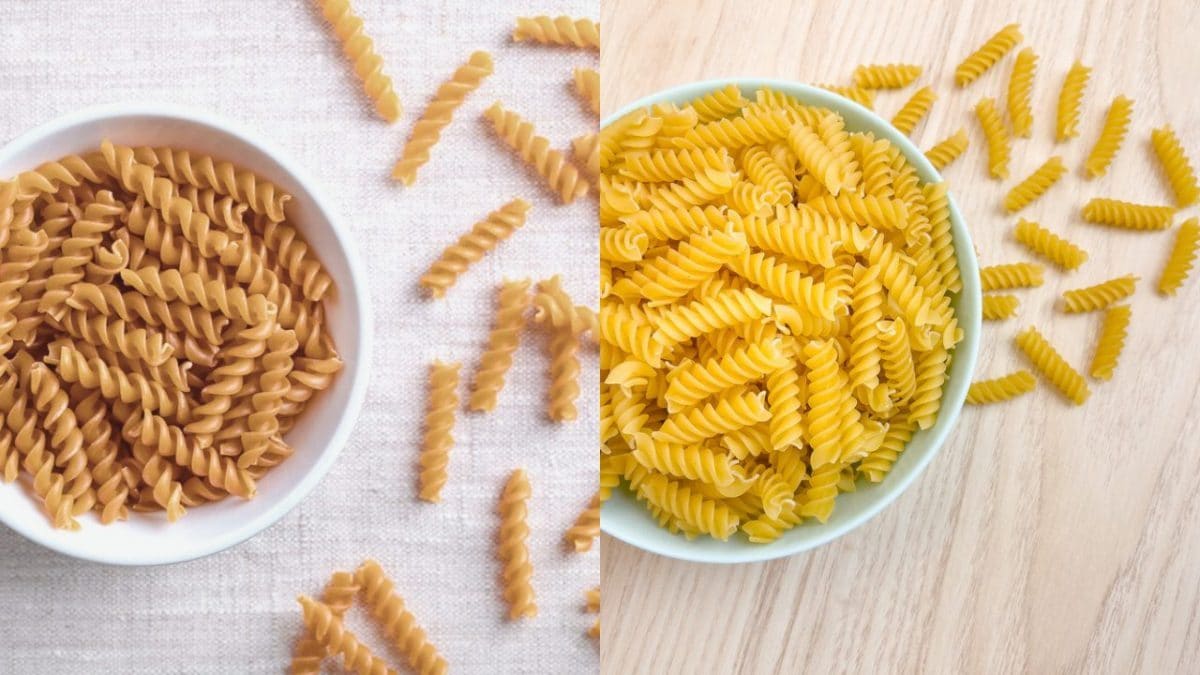
We notice it more when we get home than when we buy it, perhaps by comparing different brands of pasta: some have a deep, bright yellow color, while others are lighter and paler. The shades of pasta depend on the raw materials used and their processing: variations in hue are often associated with a good or poor-quality product, as well as the presence of furosine, a substance that supposedly "yellows" the pasta and is also considered dangerous to our health. In reality, this isn't quite the case. Let's see what furosine is, why it's used in spaghetti, macaroni, and the like, and what it has to do with quality.
Why Can Pasta Be Lighter or Darker?
The color of pasta is the result of several factors. Differences in hue begin with the raw material: dry pasta is made with a mixture of durum wheat semolina and water. Durum wheat semolina has a natural golden yellow color due to the presence of carotenoids, important antioxidants, and contains fiber, minerals, and vitamins. During the processing stages, semolina can acquire different colors, starting with the milling process. Stone milling preserves the semolina's original characteristics more intact than the faster industrial milling process. Using the whole grain in whole wheat pasta also gives it the classic darker hues, retaining the bran and germ, while refined pasta becomes a lighter yellow. The drying phase, as we will see, significantly influences the intensity depending on the temperatures used, while the moment of drawing, when the pasta is shaped, contributes to a greater opacity and porosity (if made with bronze) or shine and smooth texture, typical of the Teflon one.
What is Furosine?
Furosine (ε-furoylmethyl-lysine) is a chemical compound that forms during the initial phase of the Maillard reaction, a set of interactions between sugars and proteins that occur when a food is subjected to heat and which we have learned about especially in relation to the cooking of bread and meat, responsible for the crunchy and tasty external crust. It is a glycated molecule that is closely linked to the effects of heat treatments on foods composed of proteins and carbohydrates (such as milk and cereals) as an indicator: the higher the temperature to which the foods are heated, the more the presence of furosine is subsequently found. Be careful, however, because furosine does not form inside the pasta, but is used as a "marker" during laboratory analyses to understand the level of stress of the product and, therefore, any damage caused by aggressive heat. The reference material is lysine, an amino acid naturally present in wheat that, if degraded, becomes less bioavailable, a sign of a lower nutritional integrity of the raw material. Furosine is currently considered a non-toxic substance for the human body: the EFSA, the European Food Safety Authority, has not set maximum levels of concern.

Furosine and Pasta Color
Furosine is not directly responsible for the color of pasta, but it comes into play because its presence is generally higher when the shades of the pasta are a more vivid and intense yellow. What does this mean? That the product has been dried at high temperatures, which often correspond to industrial processing: the drying of the pasta is faster (between 175°F/80°C and 215°F/100°C, even reaching just 3-4 hours), with the possibility of producing it in larger quantities and at lower costs compared to the so-called slow or natural drying, associated with artisanal supply chains as the dehydration occurs in a "gentle" way , at low temperatures (not exceeding 140°F/60°C, between 12 and 72 hours). Pasta subjected to slow drying preserves the nutritional and organoleptic properties of the raw material in greater quantities, giving spaghetti, penne, rigatoni an ivory yellow color.
Is The Color of Pasta an Indicator of Quality?
One could conclude by saying that furosine is a valuable ally in identifying pastas that have undergone violent heat treatments and are therefore less flavorful and nutritious. A pale yellow pasta is generally better than a deep yellow one, but only if the quality of the raw materials is the same. To choose good pasta at the supermarket, it is advisable to rely on the label, which indicates the origin, the place of cultivation and milling (better if they match), and the amount of protein, which is useful for understanding its resistance to cooking: the more protein it contains, the more it remains al dente, preferring products that do not fall below 12%.

