Bananas are among the most consumed fruits in the world, loved for their delicious flavor and texture, and for their nutritional properties, which make them among the most nutritious fruits available. Native to and grown in the tropical climates of Central America and Africa, they are now available year-round at our fruit and vegetable stands. You probably already know that bananas are a veritable powerhouse of vitamins, especially vitamin C, and minerals, especially potassium, but perhaps you didn't know that the concentration of these properties, as well as the sweetness of the fruit, depends on its degree of ripeness. This is such a significant factor that a green banana and a fully ripe one almost seem like two completely different products.
The color of the peel is the indicator you need to learn to understand the fruit's level of ripeness: it can be green, yellow, spotted, or brown, and each stage indicates different properties, degrees of sweetness, and benefits. Bananas can be eaten and used as an ingredient at any stage of their life; it all depends on your needs, your tastes, and how you want to use them. Here's a short guide to help you better understand this fruit according to its level of ripeness.
Banana Stages, From Green to Dark Spots
The first thing to know is that, as bananas ripen, they become sweeter and sugarier: the enzymes present in the unripe fruit convert starch into sugars, making riper bananas much sweeter. Flavor isn't the only thing that changes. As they ripen, bananas become more digestible, lose some vitamins, and especially vary in starch and sugar content. The flesh also changes completely, becoming harder and firmer when the fruit is unripe and softer or even mushy when it is fully ripe.

Visually, this difference is very evident in the color of the flesh, which ranges from a greenish-white at the initial stage to a yellow hue. At an advanced stage of ripeness, it displays brown spots where sugars accumulate, or even turns completely brown when it reaches peak ripeness. The level of ripeness of bananas is also easily visible on the outside by looking at the color of the peel: in unripe bananas, it has various shades of green, then turns bright yellow at the peak of ripeness (and the most common commercially), until it transforms into a dark yellow with brown spots in very ripe bananas.
The sweetness of bananas depends on the development of enzymes within them, while the differences in color of the peel and pulp depend on the banana's ability to produce ethylene, a gas that in many plant species acts as a hormone and triggers the ripening process. It is precisely ethylene that "sets aside" chlorophyll, the molecule present in unripe bananas and responsible for their green color, breaking the chemical bonds of acids and increasing the production of sugars; at this stage, chlorophyll gives way to substances like carotenoids, which give the fruit its classic color. This also leads to a change in nutritional value, with green bananas being richer in starch and having a lower glycemic index, while ripe bananas are less rich in vitamins but more digestible and have antioxidant properties.
When Is It Okay to Eat Green Bananas?
Bananas with green skin and very pale, almost white flesh are at their most unripe: the fruit's texture is hard, almost waxy, and the flavor is rather bitter. Why eat them now, beyond a matter of taste preference? Green bananas have excellent properties: they boast a low glycemic index and help control blood glucose, they contain a massive dose of potassium that helps support the cardiovascular system, and they are rich in resistant starch, a type of indigestible carbohydrate that acts as a prebiotic fiber. Precisely because of the presence of starch, green bananas are a valuable aid for intestinal health, despite being less digestible than ripe bananas, and the substance also increases the feeling of satiety. They can be eaten as a snack if you particularly like flavors that aren't too sweet, but they're also excellent added to mixed salads or fruit salads to balance out sugarier fruits.

When Are Yellow Bananas Ideal?
The riper a banana becomes, the yellower its peel and pulp become —light on the inside and very bright on the outside—due to the transformation of starch into simple sugars. This is why yellow bananas represent the ideal balance between flavor and nutrients: at this stage of ripeness, bananas have a medium sweetness and a soft but not overly mushy texture. They are highly digestible thanks to soluble fiber, facilitate intestinal transit, and have a good concentration of pectin, a substance that helps the skin stay elastic. Yellow bananas are also rich in potassium, antioxidants, and vitamins such as B6 and C, as well as sugars (glucose, fructose, sucrose), making them an ideal source of ready-to-use energy. At this stage of ripeness, bananas are perfect as a snack at any time of day.

What Are Those Stains on My Bananas?
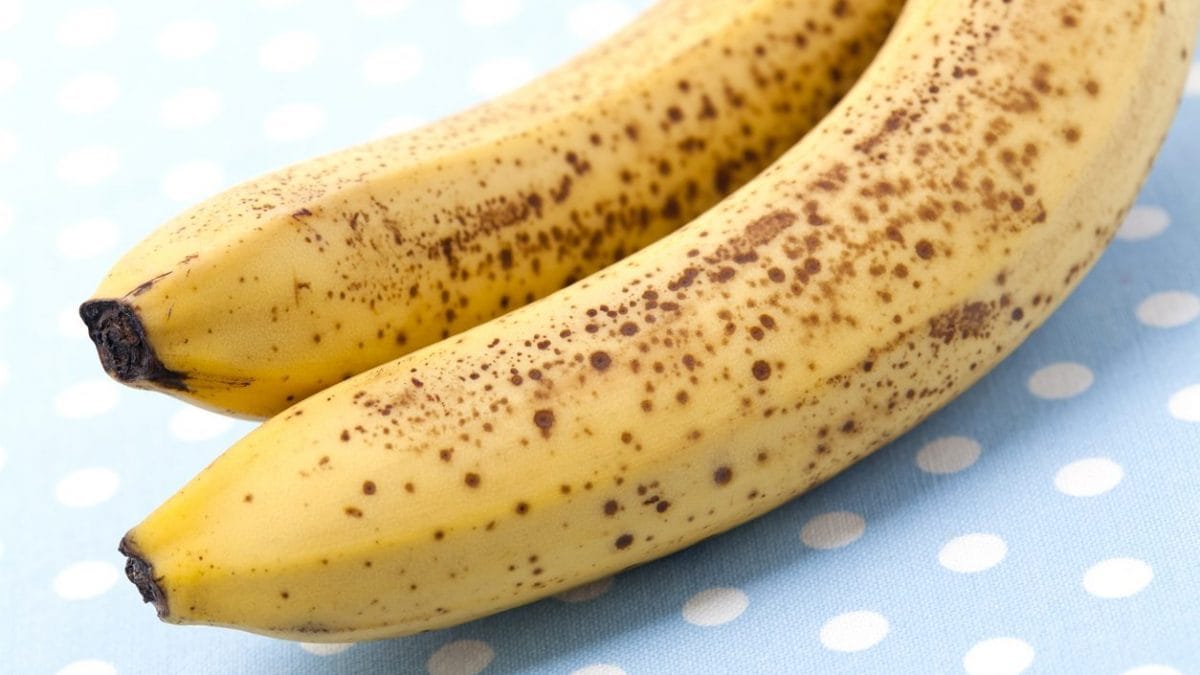
You've probably thrown away bananas because brown spots appeared on the peel , but you've actually made a mistake: spotted bananas aren't spoiled, but are simply overripe. In fact, those spots are their added value: they indicate a high degree of ripeness, are caused by the enzymatic oxidation of phenolic compounds, and indicate a particular richness in antioxidants capable of fighting free radicals and cellular aging. Even sweeter and more digestible than yellow bananas, "spotted" bananas help with indigestion or heartburn and have a greater impact on the immune system. Furthermore, brown bananas are the sweetest and softest, characteristics that make them perfect for use in smoothies, puddings, and milkshakes, or in desserts, especially those requiring a creamy batter like banana muffins, banana and chocolate cake, or banana cheesecake.

If you notice that the peel of your bananas is no longer patchy, but has turned completely dark brown, don't throw them away: they're still good to eat, are highly digestible, and can help limit cortisol levels and reduce stress thanks to their high tryptophan content, an amino acid that the body converts into serotonin, the feel-good neurotransmitter that helps calm the mind. Brown peel and flesh indicate that the fruit has an even higher sugar concentration, a characteristic that makes the pulp incredibly sweet and particularly creamy, almost mushy. For this reason, brown bananas aren't ideal for snacking, but are instead perfect as an ingredient in all sweet recipes that require a particularly soft and full-bodied consistency: the most famous is banana bread, an American dessert to which the sugary, soft pulp gives the perfect density, but they're also perfect for pancakes and waffles, loaf cakes, and creamy porridge.
How to Store and Preserve Bananas
To have bananas at different stages of ripeness, it's best to choose them when they're almost green when you buy them, unless you have an immediate need for a specific stage of ripeness. Once you have them at home, it's essential to store them properly: the ideal way is to place them in a bowl and keep them at room temperature, allowing them to ripen naturally. Leave them bunched together, and when you separate one, be careful not to damage the others.
What if you bought the wrong bananas and they're too green, or if you need to slow down the ripening process because you need them unripe? There are several tricks to regulate the ripening of bananas. If you want them to stay green a little longer, for example, you should wrap the stem of the fruit in plastic wrap: this will prevent the release of ethylene, the gas naturally produced during the ripening process, slowing the aging process. Furthermore, if you notice that one banana in the bunch is too ripe, pick it and separate it from the others because, when they're stuck together, bananas release more ethylene and ripen more quickly.

If your bananas are too unripe and you want to speed up their ripening, you have two options. You can place them in a paper bag with an apple, a kiwi, or another ripe banana: these fruits produce high amounts of ethylene, which, trapped inside the bag, accelerates the ripening process, making the unripe fruit ready in 1-2 days. Another good alternative is to place the bananas near a heat source or on a sunny windowsill, because high temperatures intensify ethylene production and accelerate internal biochemical reactions, rapidly converting starches into sugars and making the fruit sweeter and softer in a short time.
In general, bananas shouldn't be refrigerated if they're unripe or yellow, as the cold stops them from ripening, spoils their texture, and causes the skin to blacken due to frost damage. However, if the bananas are already well-ripened, with brown spots, they can be refrigerated to slow down the deterioration process for a couple of days. Alternatively, you can always freeze them, cutting them into small pieces and dividing them into different containers or bags to ensure you have the perfect amount for each recipe. Frozen bananas are an excellent idea for baking, because once thawed, they're perfectly sweet and soft, ready to be mashed.
;Resize,width=767;)
