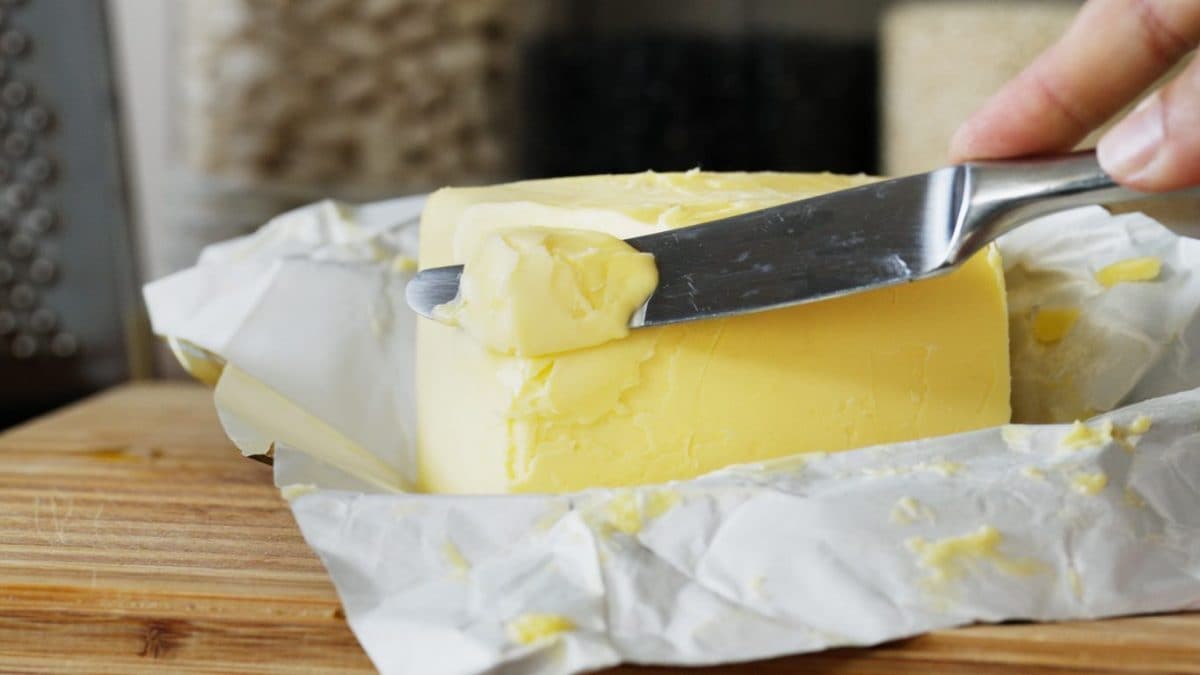
Butter is a fundamental ingredient in the kitchen, perfect for both sweet and savory recipes: it's a dairy product rich in fat and low in liquid, often undervalued and even demonized due to its high fat content. In reality, it's an ancient product, prized since the time of the Greeks and Romans. When used properly and sparingly, it's also rich in beneficial nutrients, including antioxidants, minerals, calcium, and milk proteins.
It all depends on the quality of the butter you buy, a factor closely linked to the product's color: have you ever noticed that some types of butter are more yellow while others are very white? Learning to understand why and what it depends on will also help you choose the best quality butter.
What Does The Color of Butter Depend On?
The color of butter depends mainly on the concentration of beta-carotene, a substance rich in yellow-orange pigments with antioxidant properties and a source of vitamin A, which in turn depends on the type of feed given to the cows from which the milk is milked to then obtain the butter.
When animals are free-range and graze, they consume much more beta-carotene through grass than cows that eat only hay or feed. Cows store beta-carotene in their adipose tissue, liver, and partly in the fat globules of their milk and therefore in their butter, which, being very rich in fat, will be richer in beta-carotene and therefore more colorful. Grass, thanks to the presence of omega-3s, also improves the consistency of butter, making it softer and easier to spread.
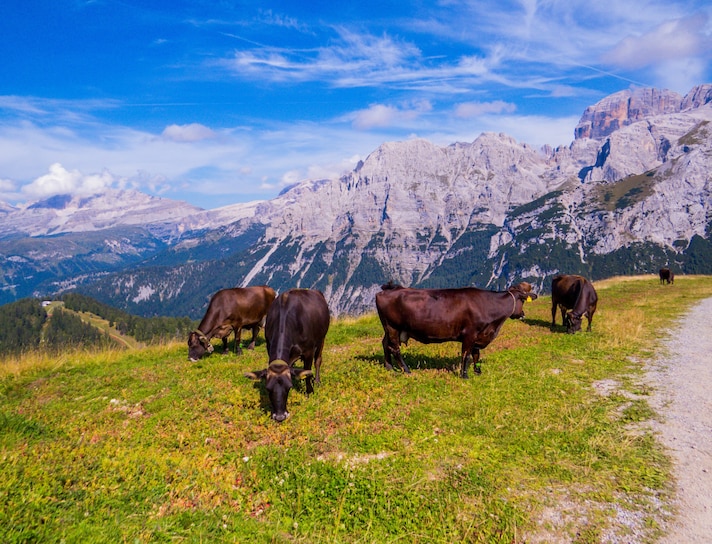
Cows that are not allowed to graze freely but are fed hay, wheat, or corn produce milk (and therefore butter) that is whiter because the feed they eat has a much lower concentration of beta-carotene. Be careful, this doesn't just apply to industrial farms: even cows on pastures change their diet during the winter, because they remain indoors in stables and eat hay instead of grass.
The color of butter, therefore, can also vary based on the season in which it is produced and the same animal can produce more or less colored butter depending on whether the product is made from milk produced in summer or milk produced in winter.
How to Recognize Quality Butter
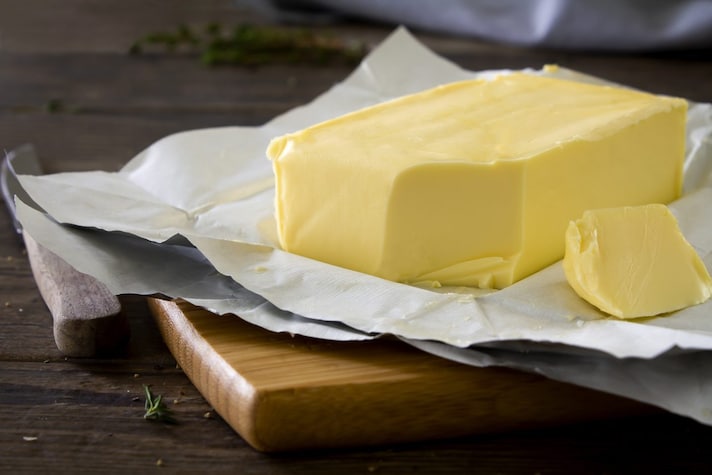
Today, yellow butter tends to be associated with better quality because, as we've explained, yellow butter comes from animals fed completely naturally. This is a good guideline when choosing butter, although, as we've explained, butter can sometimes be lighter in color if made from the milk the animal produces in winter (though it will always have a slight yellowish tinge and will never be perfectly white).
Generally speaking, if you don't buy butter from a farmer but need to buy industrial butter, straw – yellow butter is generally better than very white butter, even better if its consistency isn't too soft, but creamy and melts easily. When it comes to industrial products, however, you should also be wary of yellow butter. Since the almost white butter found in commercially produced blocks has become synonymous with low quality, many companies have started coloring them, for example by adding ingredients like saffron to make them more yellow.
So how can you tell if butter is truly yellowish because it's good quality or if it's been colored to give the impression of being organic? The key is to read the label carefully, as the law requires it to disclose any colorants.
;Resize,width=767;)
