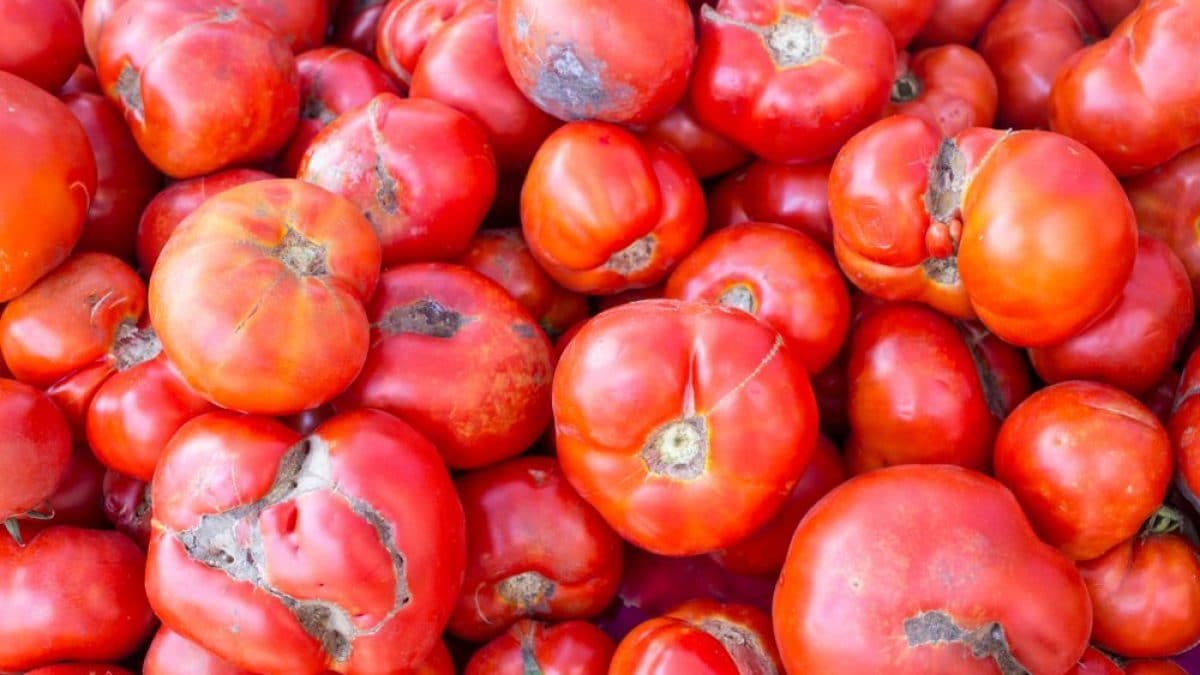
In the contradiction of a contemporary society that on the one hand condemns body shaming and on the other seems unable to do without Instagram filters, the world of food is also caught up in a similar image contradiction. The food offered to consumers and most appealing to them is perfect and free of defects, but at the same time it has been understood that it is necessary to combat food waste for the good not only of people, but also of the environment. In fact, fruit and vegetables with aesthetic defects have been at the center of a real stalemate for over a decade, between regulations that establish marketability standards based on the size, dimensions, and appearance of the peel, and the awareness that we can no longer afford to throw away a carrot just because it is lumpy. In what sense? Perhaps not everyone knows that if an agricultural product does not meet the aesthetic standards expected by the market, most of the time it is not even harvested, but left to rot in the fields.
What is "Bad" Food?
As Federica Ferrario, campaign manager for the Terra! association, which has been working on the environment, sustainable agriculture, and ecosystem-friendly development models since 2008, explains, “Lately, there has been a lot of talk about waste, but not yet about losses.” What does this mean? As clearly specified in the Siamo alla frutta report, presented in 2021 by the association, experts distinguish between food losses that occur during the production phases and food waste, which occurs during processing, distribution, and consumption (so much so that the threshold for domestic waste must always be kept high with the most virtuous practices possible). “With climate change and extreme phenomena becoming increasingly stronger and more frequent, it is now anachronistic to think that you can only find a beautiful apple, a symmetrical pear, a wonderful tomato, or an enormous orange: this not only harms the consumer, but also the producers and the system as a whole.”
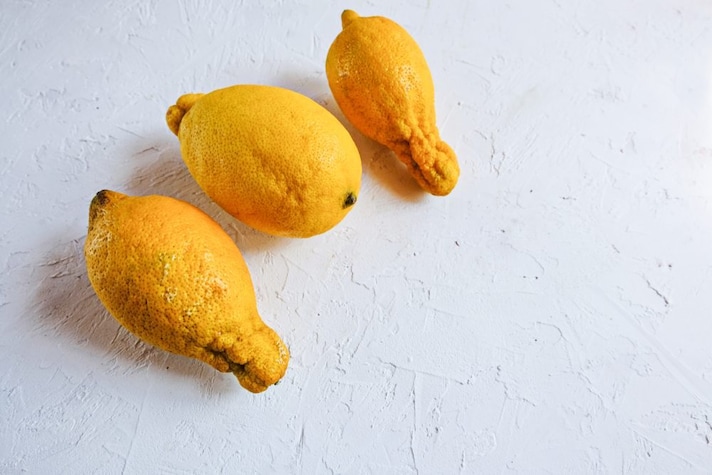
In the U.S., the beauty standards for fruit and vegetables sold in supermarkets and large-scale retailers are largely set by the U.S. Department of Agriculture (USDA). The USDA’s Grading Standards define categories like “U.S. Fancy,” “U.S. No. 1,” and “U.S. No. 2”, which consider factors such as size, color, shape, and freedom from defects. These grades are voluntary for most produce, but many large retailers follow them closely to meet consumer expectations. While the regulations help ensure consistency and quality, they also influence which fruits and vegetables appear “perfect” on shelves, sometimes leaving oddly shaped or smaller produce overlooked despite being perfectly edible.
- USDA Fancy (Extra): Practically flawless produce, often chosen for its uniform appearance, color, and size, with extra attention paid to packaging. These are the premium fruits and vegetables you usually see in display cases.
- USDA No. 1 (First Category): The most commonly sold grade, showing minor defects in shape, size, or slight blemishes, but still visually appealing and fully nutritious.
- USDA No. 2 (Second Category): Produce with more noticeable imperfections, such as marks, scratches, or irregular shapes. Nutritionally equivalent to higher grades, but generally considered less attractive and often sold at a lower price or used for processing.
And then there's all the so-called non-standard products: "Essentially, it's anything that doesn't fit the aesthetic parameters imposed by law," continues Ferrario, and "the producer either has good contacts with the processing industry, managing to get a convenient price (such as for making fruit juice), or tries to sell directly to the end consumer without intermediaries like in the markets, but most of the time the quantities are so negligible compared to the total non-compliant, that the decision is made not to harvest these fruits and vegetables." A standardization that ideally should have helped the entire supply chain, giving rise to high-quality foods, but which over time has ended up excluding equally edible, healthy and nutritious products. "What is created is a real paradox, because perhaps an ugly pear isn't chosen, but another one from overseas is opted for, with damage to the climate, just think of the transport alone, with the added insult of not even supporting our agriculture and our land."
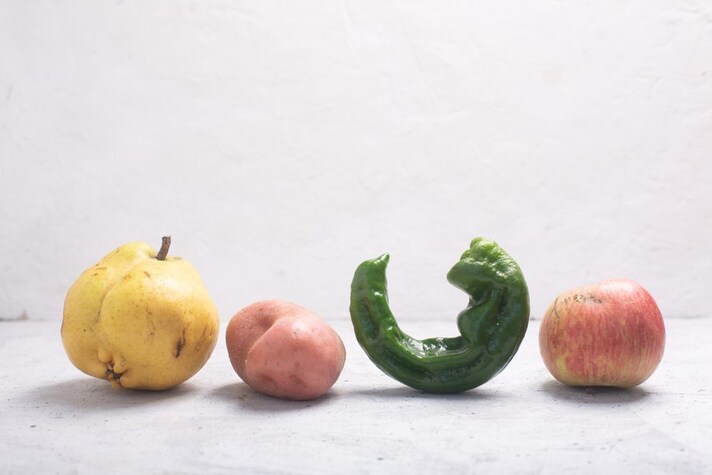
What Can Be Done to Recover and Give Value to Ugly Food?
In the United States, several organizations are working to give imperfect produce a second chance and reduce food waste in supermarkets. One notable initiative is Imperfect Foods, which delivers “ugly” or cosmetically imperfect fruits and vegetables directly to consumers, helping farmers sell produce that would otherwise go unsold. Another example is Feeding America, which partners with retailers and distributors to rescue surplus produce, including items rejected for aesthetic reasons, and redirects it to food banks and community programs. Advocates point out that continuing to prioritize only perfectly shaped produce not only increases waste, but also pressures farms toward intensive, environmentally demanding practices, while reducing the visibility and accessibility of nutritious, second-tier fruits and vegetables.
At an international level, a movement born in favor of ugly but good food, which can be summed up in the definition of “hair” Ugly Food Movement, started in France in 2014, with the appearance of Les Gueules Cassées, whose symbol is an irregularly shaped apple with a smile composed of a single black tooth: it is the idea of a fruit and vegetable entrepreneur to unite other colleagues in a collective recognizable by the sticker with the toothless red apple to be placed on those vegetables considered perfectly edible production waste, but not accepted by large-scale retail trade. The history of the name is worth telling: gueules cassées (broken faces) is the term coined by the French colonel and politician Yves Picot (1862-1938) in reference to those veterans of the First World War who had been brutally disfigured in battle, and who fought for a long time to regain a place in society despite their serious disabilities. In short, a simple parallel to understand with ugly food, which should not be discarded, but rehabilitated.
In Italy, at the moment, among the most active associations in this regard we can mention Terra! which launched the petition “Beyond the Peel” in May 2025 to give more space and visibility in large-scale retail trade – which constitutes the largest segment of the market – to second-category products, since as written in the text “continuing to exclude out-of-size products and limit the accessibility of category II products means increasing losses and waste, putting entire local supply chains in crisis and pushing towards increasingly intensive and high environmental impact agricultural models”.
;Resize,width=767;)
