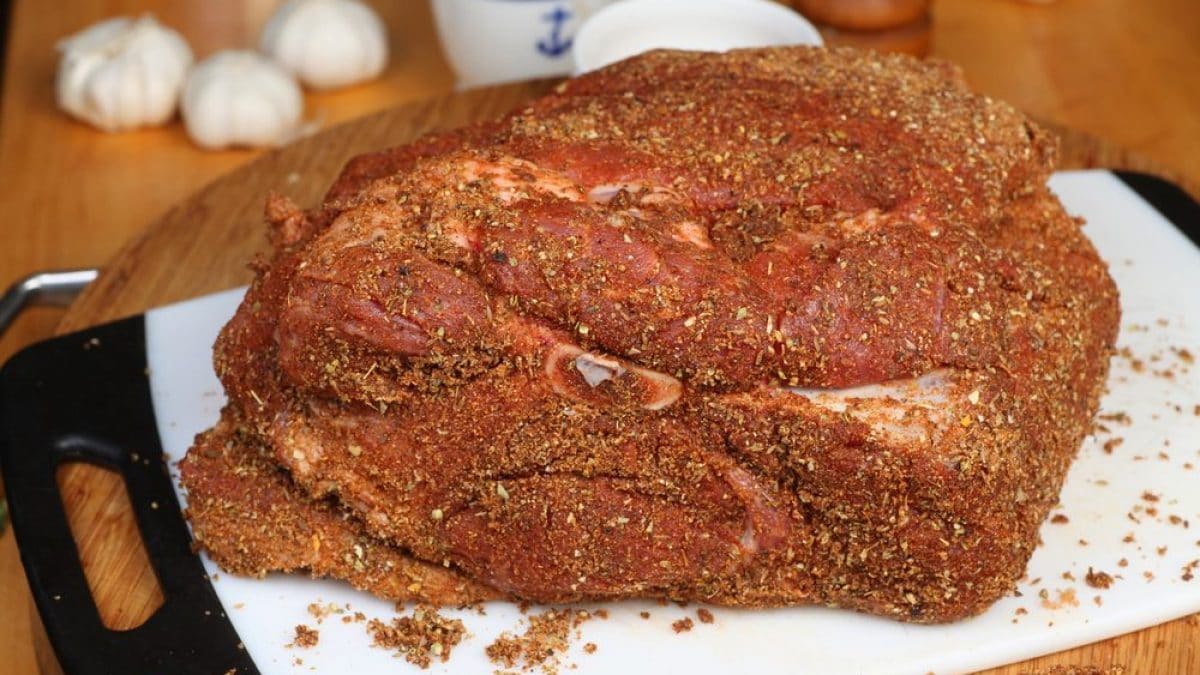
Meat is naturally delicious, but there are many ways to make it even more inviting and flavorful. One of the most popular comes from American cuisine, where it's generally used for barbecue cooking, and is called a dry rub: it's a type of dry marinade used to flavor meat before cooking and doesn't require the use of liquids, just a mix of spices and herbs. This marinade is particularly good for meat cooked over an open fire—a barbecue, for example, or even a grill—but it can also be used when preparing meat in the oven, pan-frying, or on the grill.
You can buy dry rub ready-made or make it at home, but in either case, be careful not to mistake it for a simple condiment: it is a real mixture that penetrates the meat thanks to the massage with which it is applied (the "rub" from which it takes its name) and a medium-long resting period, during which the spices and aromas are well balanced according to the type of meat and the desired cooking result. Let's learn more about the fantastic world of dry rubs and how to use them for the perfect dry marinade.
What is a Dry Rub?
Dry rub is a term that indicates the dry marinade typical of American cuisine: it is in fact composed of two English words, “dry” which means dry – this technique does not involve the use of liquid ingredients – and “rub”, which means to massage or rub, referring in this case to the way in which the mixture is applied to the meat.

The term dry rub therefore refers to both the technique and the mixture itself, composed of the basic ingredients of salt and/or sugar (the former is essential, the latter is sometimes omitted) to which a whole series of spices and aromatic herbs can be added, which are then applied by hand directly to the surface of the food. Through a resting period, which varies depending on the type of meat, the dry rub will penetrate the meat, but to a lesser extent than a traditional liquid marinade, thus imparting distinctive aromas, sealing in the juices but remaining on the surface long enough to create a sort of "brine" on the surface and a crispy crust during cooking.
Dry marinating is meant to be used alone, but it can also be easily combined with liquid marinating to obtain the best of both techniques: hydrated and tender meat, but with a crispy and flavorful crust.
How to Make a Prepare a Dry Rub
There's no one-size-fits-all dry rub recipe: the beauty of this mix is that it's never the same, but adapts to the type of meat being cooked and the tastes of the person preparing it, making it easily adaptable to your personal preferences. That said, there are a few basic ingredients that should never be missing from the mix: first and foremost, salt and/or sugar, essential in any mix.
In addition to these, common ingredients include sweet or hot paprika, black pepper, garlic powder, onion powder, cumin, oregano, rosemary, and chili pepper. It's easy to find ready-made dry rub mixes designed with different flavors or for different types of meat, but you can also create your own mix at home. Be careful not to choose ingredients randomly, but rather to select elements that complement the flavor, not overpower it, and that also pair well with each other.

For example, one of the most popular mixes to prepare is the BBQ dry rub, made with:
- 3 tbsps of brown sugar (for caramelizing the meat)
- 2 tbsps of salt
- 2 tbsps black pepper
- 1 tbsp garlic powder
- 1 tbsp onion powder
- 1 tbsp paprika
- 1/2 tsp chili pepper
- 1/2 tsp ground cumin
- 1/2 tsp coriander seeds
As you can see at first glance, it's all about balancing flavors and quantities, which is why if you're just starting out, the advice is to test small quantities of products and just a few ingredients, so you can find the dry rub recipe that best suits your tastes.
Manually preparing a dry rub at home doesn't require any special tools: if you're using powdered spices, simply add them to a bowl with the other ingredients and stir with a spoon, or place all the ingredients in a closed glass jar and shake until combined. If any of the ingredients aren't already ground, you can grind them yourself first, using a mortar or a more modern electric spice grinder.
How to Use a Dry Rub
Dry rubs are perfect for any type of meat you prefer —beef, chicken, pork, etc.—but they also work well with other foods. For example, they're excellent on grilled vegetables to add an extra kick of flavor. Ribs, pulled pork, and chicken wings are the cuts that are most flavored with this technique, but they're particularly good for cuts like brisket, shoulder, and any cuts that will be slow-cooked.
But how do you use it correctly? First, you need to remove excess moisture from your main ingredient, whether meat or vegetables, using paper towels until the product is completely dry. Then you can apply your mix: spread it generously over the entire surface so that every part is covered and massage gently with your fingers to help the spices penetrate.

At this point, it needs a resting period to allow the spices to penetrate deeply. The time depends on both the type of meat and your preferences, although the minimum required is 30 minutes and the maximum should never exceed 24 hours; for pork, however, the minimum required resting time is 1 hour. Furthermore, let the meat marinate for a full day, checking it frequently to ensure it hasn't lost its fat, as this would make it too dry when cooked. Once the resting time is up, cook the meat using your preferred method, whether barbecue, grill, or oven.
;Resize,width=767;)
