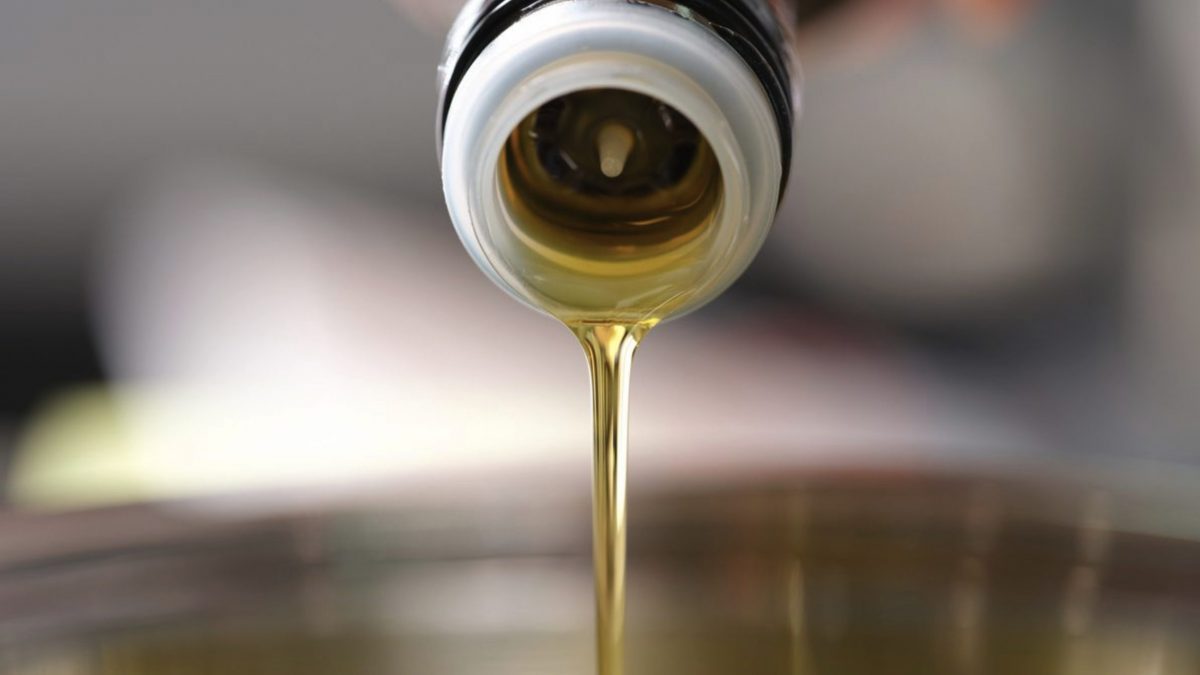
Extra virgin olive oil is a premium product that's never missing from tables, especially when we dine at restaurants. The quality of the oil depends on many factors, from the type of raw material used to the method of processing, but also depends on the bottle and, above all, how it's served at the restaurant. In the United States, there is no federal law requiring restaurants and food establishments to serve extra virgin olive oil only in non-refillable bottles. However, many restaurants and specialty retailers choose sealed, clearly labeled bottles with an anti-filler cap as a way to guarantee quality, traceability, and consumer confidence. This simple but highly effective device has become a sign of the establishment's professionalism and transparency, but also a way to preserve the oil's quality, which is why it would be useful to use this tool for household bottles as well. But why is the anti-filler cap so useful, what exactly is it for, and how can you recognize it? Here's everything you need to know.
What is An Anti-Filler Cap and What Is It For?
The law regulating the use of this device defines the anti-filler cap as "a suitable closure device so that the contents cannot be changed without opening or altering the container. It also features a protection system that prevents it from being reused after the original contents indicated on the label have been used up." Essentially, therefore, it serves to prevent the bottle from being refilled with another, lesser-quality oil passed off as the same product indicated on the label.
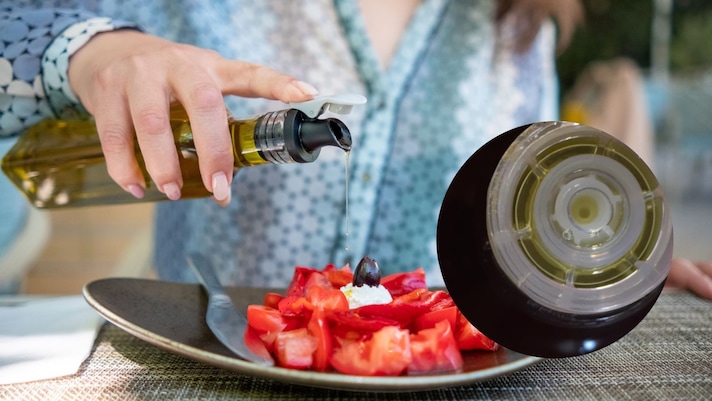
Substituting one oil for another, whether the second product is of poor quality or not, is a real scam to the detriment of the customer, which is why anti-filler caps have almost become mandatory in food service establishments. Thanks to this tool, it is no longer possible to "cheat" (as unfortunately happens all too often) and mix different types of oil in the same bottle, or an oil of lower quality than the original indicated on the label. It is important to remember that only bottles intended for serving in the dining room must have anti-filler caps, while all other bottles, without this system, can only be used in the kitchen for preparation.
Avoiding fraud isn't the only benefit of the anti-filler cap, as this system also helps maintain the quality of the oil by protecting it from oxygen once the bottle is opened, allowing the product to maintain its full organoleptic properties. It's also very convenient because it prevents leaks and allows for better dosing, thus avoiding product waste. For these very reasons, using a bottle of extra virgin olive oil with this special cap is recommended even at home, to keep your oil in good condition and to allow you to easily and accurately dose it.
Why It's Important to Recognize The Anti-Filler Cap's Presence
Learning to recognize the presence or absence of the anti-refill cap is essential to avoid being cheated: its presence on the bottle indicates the restaurateur's honesty. Remember that the device must not only be present but must be securely attached to the neck of the bottle or to the container in general, in such a way that its removal is impossible by mere manual intervention or without showing, in the event of a break-in, alteration of the dosing device and/or the elements that attach it to the container, or obvious signs of tampering, easily detectable upon visual inspection by the inspector or user.
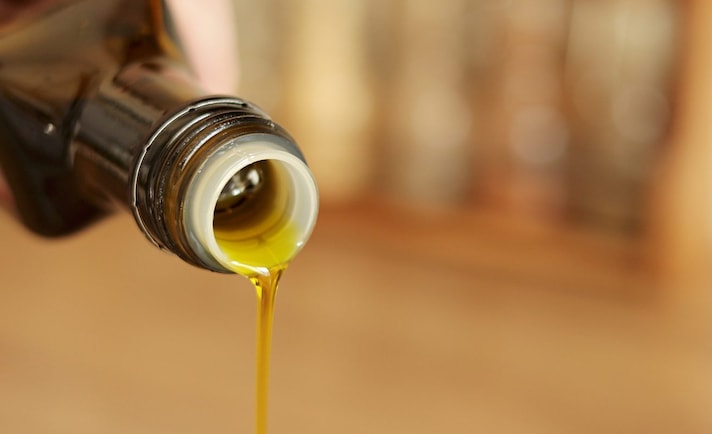
If you're served a bottle without a refill cap or showing signs of tampering, it's possible that the bottle doesn't contain the oil indicated on the label, or that the original product has been spoiled due to improper storage. There's also health concerns to address. If the refill cap is tampered with and removed, there's a risk that the small ball, located inside the anti-fraud system that regulates the flow of oil, could fall into the bottle. This could then lead to the risk of inadvertently finding it in the dish you've just served and ingesting it.
Recognizing a bottle with an anti-refill system is therefore a safeguard for your health, but also a way to ensure the restaurateur's good faith. Choosing bottles with anti-refill caps means promoting extra virgin olive oil as an authentic and living product, an expression of gastronomic culture, but also respecting the customer.

