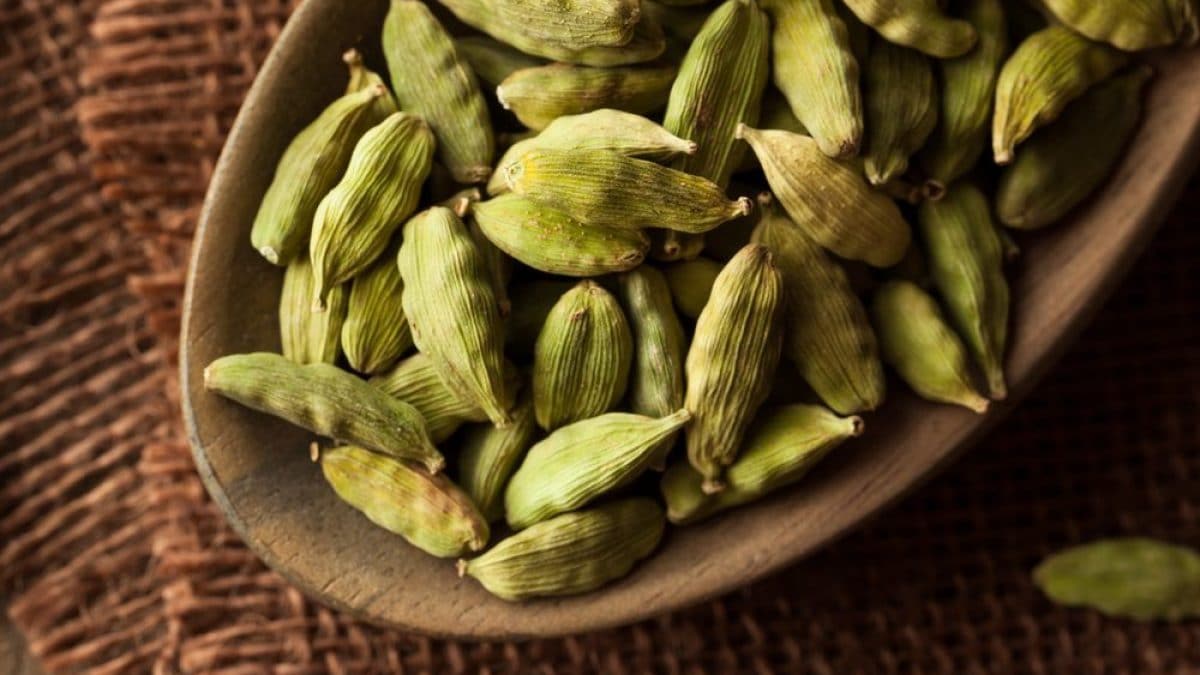
Native to India, cardamom is used in many recipes, especially those of Indian, Arabic, Scandinavian, and Central Asian cuisine. It is so versatile that it can be used in savory dishes, to flavor rice, soups, meats, cheeses, and fish, as well as in desserts like cookies and chocolate cakes, and even to flavor drinks like coffee. Today, we'll talk about cardamom and its uses in cooking.
What Does The Cardamom Plant Look Like?
Native to India and belonging to the Zingiberaceae family, the same as ginger and turmeric, cardamom has been known, used, and loved since the times of the Greeks and Romans. The plant, which grows in warm, humid regions, is an evergreen that can reach 4 meters in height. It has beautiful, elliptical leaves about 60 cm long and orchid-like flowers. It produces capsule-like fruits containing seeds that can be used whole or crushed in cooking.
Cardamom comes in two main varieties: green cardamom and black cardamom. The former, the more common, has a fresh, fruity flavor with notes of lemon and mint. The latter has a more intense, spicy flavor, with notes of smoke and earth. It has a balsamic, warm, and intense aroma that hints of honey, lime, rose, sandalwood, and eucalyptus.
Therapeutic Properties and Benefits
Rich in minerals, vitamins, and essential oils, cardamom is a spice with strong antiseptic and digestive properties. Furthermore, being rich in antioxidants and anti-inflammatory substances, it appears to reduce the risk of heart disease and cancer, and many find it effective in relieving headaches. It is often used to improve mood and reduce stress. Some research suggests it can help reduce symptoms of depression and anxiety, and many also believe it to be an aphrodisiac.
What to Know When Buying It
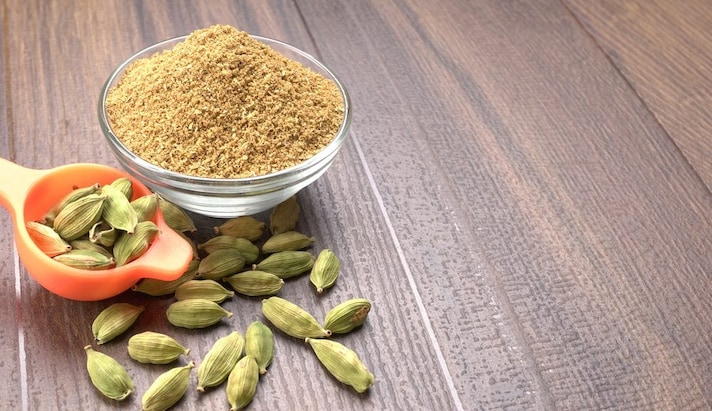
Cardamom is available commercially in seed form, particularly suitable for making fragrant herbal teas and flavoring tea, and in powder form. If you choose the latter, you must be very careful with the quantities, as overdoing it can result in a spicy result that overwhelms the other flavors. Added to flour, it can enhance both sweet and savory doughs. The cost ranges from 7 to 14 dollars per 100 grams, but can be higher depending on the area of origin.

How to Use Cardamom in Cooking
In the kitchen, cardamom can be used in many different dishes to add a touch of unique and aromatic flavor. Despite being a spice with a very intense and distinctive flavor, ranging from spicy to minty and citrusy, it is a truly versatile ingredient and can be used as seeds, in herbal teas, or ground. If you buy the seeds, you can also grind them freshly, which will add a rich aroma as well as a more intense flavor: try putting a little in the sugar bowl and then using it as sugar to sweeten drinks or make desserts. Or use it to make chai tea.
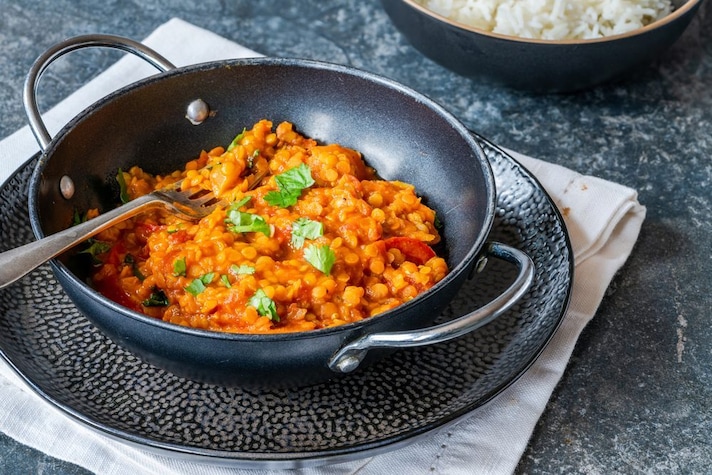
Cardamom is also used to flavor gahwa, the traditional, strong-flavored Arabic coffee, usually served at social and cultural occasions, including weddings, which represents a symbol of hospitality and welcome in Arab culture. Cardamom is also common in other blends, such as curry, or other spices like garam masala. Garam means hot or warming in Hindi, while masala means "mixture of spices." Together, the name means "mixture of warming spices." This blend of ground spices includes, in addition to cardamom, black pepper, cumin, coriander, cinnamon, cloves, and nutmeg, and is used to flavor meat, fish, vegetable, and legume dishes.
Among other combinations, you can try flavoring meat and fish, but also vegetables and cheeses. If you love legumes, try Turkish lentil soup or Persian chicken biryani. For dessert, you might try gulab jamun, traditional Indian sweet fritters, or kheer, turmeric bread.
;Resize,width=767;)
