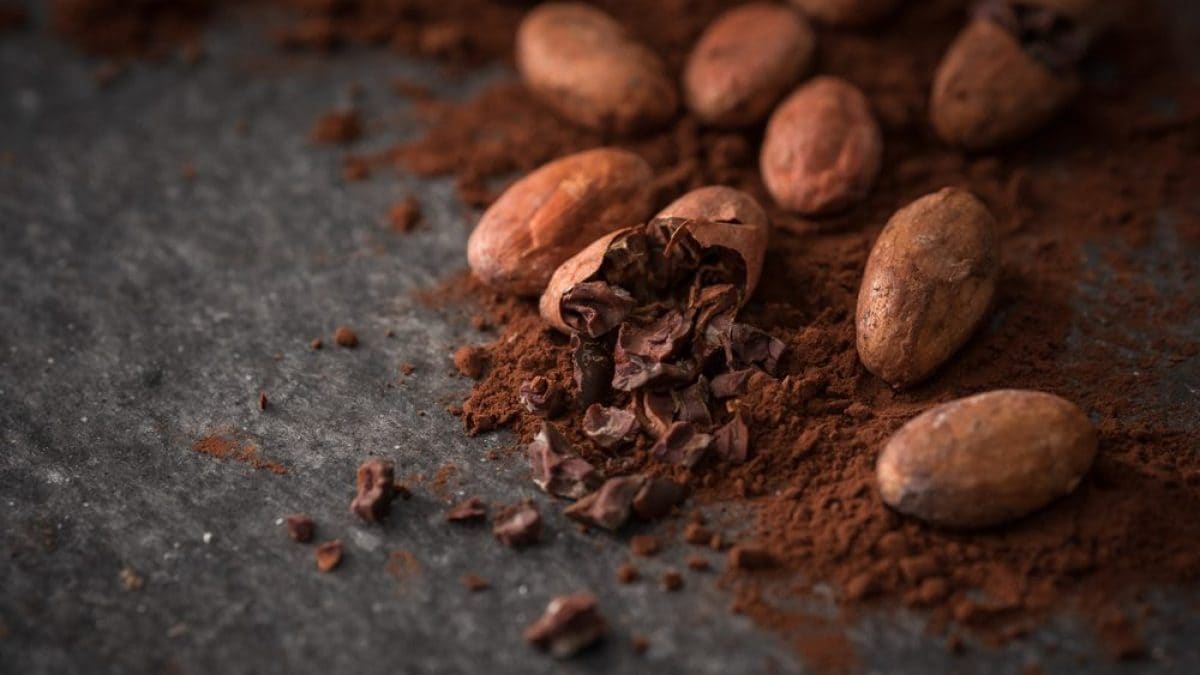
When we talk about cocoa in cooking, we usually mean chocolate and bitter cocoa powder: they are used in doughs or to decorate leavened products and desserts, in spreads, in drinks and even in the preparation of ice cream. These versatile ingredients are a by-product of the processing of the cocoa bean, which comes from a plant called Theobroma cacao, with which cocoa itself is generally identified. Originally from South America, its cultivation has spread throughout the tropical belt of the world, thus also including countries in Africa (which currently hold the record for production) and Asia.
Cocoa is divided into three main varieties, each divided into as many typologies that vary in taste and aroma depending on the characteristics of the territory in which they are found: Forastero, which is the most widespread cocoa (it accounts for more than 90% of the world's harvest) because it is resistant and prolific, therefore profitable, but at the same time not very valuable; Criollo, on the other hand, represents less than 1% of the crops and is considered rare and of very high quality; finally, Trinitario is a hybridization between the two previous ones that occurred for the first time in Trinidad in the 19th century (hence the name) and concerns the remaining 8%-9%.
The Bean, Raw Material From Which Chocolate and Cocoa Are Derived
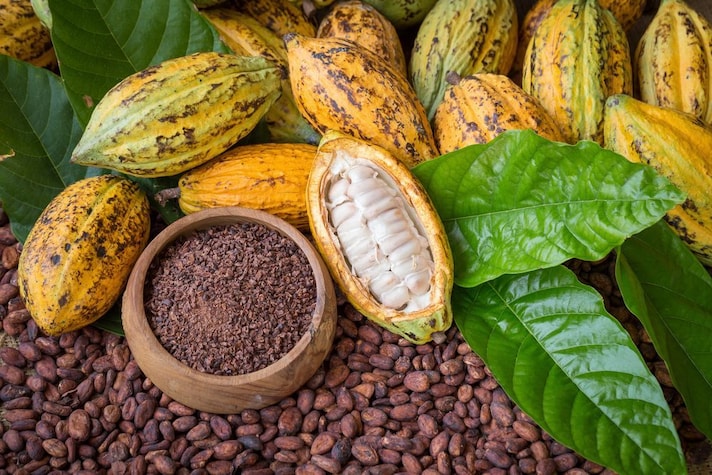
The cocoa plant is grown in large plantations; it is an evergreen tree that grows to a height of 5 to 10 meters and belongs to the Malvaceae family. Its fruits, called pods, have an elongated shape, measuring 20-30 cm, and when ripe, the skin turns a reddish-brown color. Once harvested, the fruit is opened with a machete: inside is the white, gelatinous, sugary pulp that covers the seeds (25 to 40), better known as beans, which are extracted and processed.
- The first phase: the beans are left to ferment naturally, piled up on banana leaves for 2 to 10 days, in order to acquire the first aromatic characteristics, with an initial reduction of their bitter taste.
- The second phase is that of drying, so that the seed loses all its moisture.
- The third phase, namely roasting at around 266°F/130°C, enhances its sensory characteristics.
At this point, the beans are already edible: they are commercially available roasted and shelled or even in a raw version, without having undergone roasting or having undergone it at low temperatures, maximum 107°F/42°C. From here, the beans are deshelled, ground into flakes (the grué, which can also be used in recipes, such as nibs in yogurt) and then further reduced to a pulp, the cocoa mass (also known as cocoa paste or cocoa liquor), which is composed of the dry part and the cocoa butter, its fat. The next process is mechanical pressing, a pressing that separates the fat (cocoa butter) from the dry matter (cocoa powder), so that they can be used to make cocoa powder and chocolate bars.
Cocoa's Properties and Benefits
Cocoa has been considered a superfood since the times of the Mayans and Aztecs, who were the first to discover the benefits of this plant by consuming the crushed seeds in the form of an energizing and nutritious drink. Cocoa, in fact, is a food rich in proteins, vitamins, mineral salts, polyphenols and antioxidants, which have anti-inflammatory and anti-cellular aging effects on the body. In particular, it has a good content of flavonoids, plant pigments that can positively affect blood circulation, strengthen the immune system and fight free radicals.
However, it is a caloric food, which is reflected in the composition of the bean, which is 50% fat: 100grams of bitter cocoa powder, for example, contains 355 calories, with 25grams of lipids (since by law it must have more than 20% cocoa butter to be defined as such), while when we are dealing with low-fat cocoa powder it is because the quantity is less than 20%. If you want to enjoy these benefits, experts agree that it's best to choose a bar with a cocoa mass content of over 70%. This is why dark chocolate is included in controlled diets, unlike milk chocolate, much less white chocolate, which has zero cocoa content but is made with cocoa butter, sugars, and milk derivatives. Cocoa, moreover, is considered a mood enhancer because it contains substances that stimulate the production of serotonin (the happiness hormone), such as caffeine, theobromine, and tryptophan. Caffeine and theobromine are stimulants: their combined action could lead to insomnia and tachycardia.
How to Use Cocoa in The Kitchen
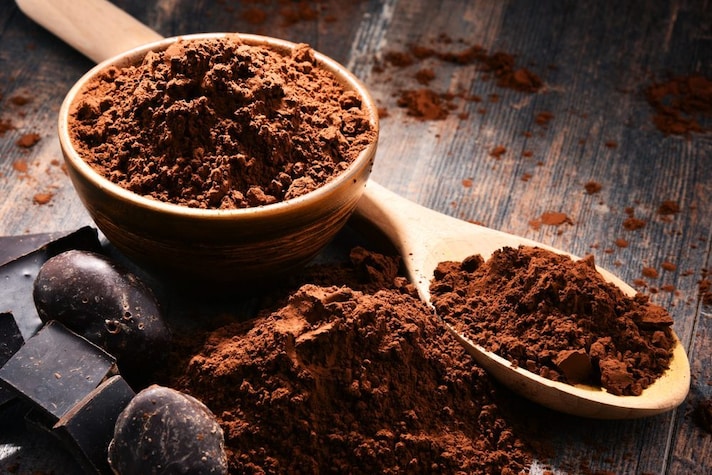
Cocoa can be used in many different recipes in the kitchen: bitter cocoa powder and dark chocolate are among the most popular, as their bold flavor balances perfectly with the sweeter flavor of egg, flour, butter, and sugar-based doughs, allowing you to try out countless variations of chocolate cake. With cocoa, you can have fun creating alternative (and more indulgent) versions of great classics, such as millefeuille, or basic preparations, from shortcrust pastry to custard.
Extra dark chocolate is ideal in tandem with fruits with a strong acidity, such as raspberries, but also with jams and marmalades, as the timeless Sachertorte demonstrates. Furthermore, it proves extremely useful for making delicious desserts without animal products, such as water cake. Furthermore, it is excellent in semifreddo, cheesecake, and sinful desserts: we mention two that cannot be ignored, mousse and pudding. As a beverage, it's versatile in winter as a hot chocolate and in summer as a milkshake.
And in savory recipes? It's not as easy to measure out as it is in pastry making, but cocoa can also be used in main dishes, such as in the dough for tagliatelle made with buckwheat and type 0 flour, seasoned with taleggio cheese and sage. Or it pairs very well with eggplant, so much so that it's traditionally used in Sicilian caponata and the parmigiana dessert typical of the Amalfi Coast.
Which Countries Produce the Most Cocoa?
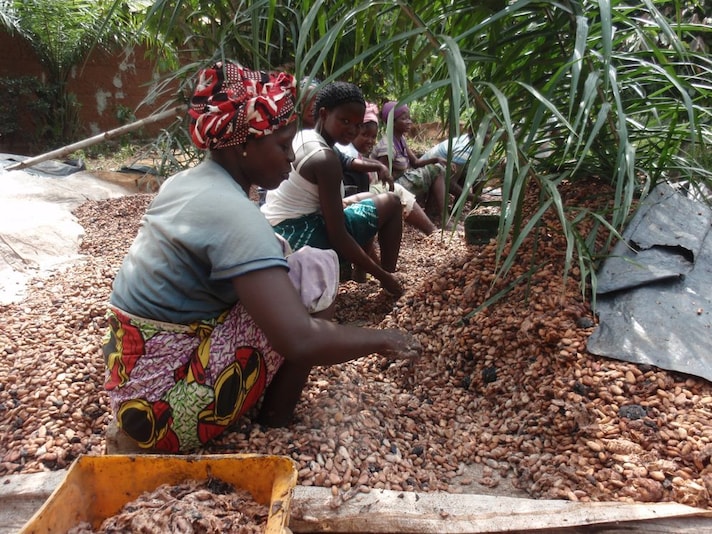
Cocoa production extends to many countries around the world, concentrated in the tropical zone: the two largest are the Ivory Coast and Ghana, with figures hovering around 60%, with Africa at the top of the list, with more than 70% of cocoa coming from total plantations, including Cameroon, Nigeria, and Madagascar. The second continent is Latin America, with around 20%, led by Brazil, followed by Asia, with Indonesia and Papua New Guinea in the lead (surpassing Venezuela, Ecuador, and Peru), but also including Vietnam and Sri Lanka.
As with palm oil, cocoa also suffers from problems linked to the exploitation of workers and the land: paltry wages for farmers (with women most penalized), illegal child labor, and deforestation. For this reason, organizations have been created to protect the supply chain and consumers, such as the Fairtrade brand, to ensure environmental and social sustainability as much as possible. Furthermore, climate change is contributing to a continuous increase in cocoa prices: for example, as reported by Il Sole 24 Ore, at the end of 2023 and beginning of 2024 heavy rains and plant diseases caused by excessive humidity devastated the harvests of Ghana and Ivory Coast, with repercussions already present on the market.
;Resize,width=767;)
