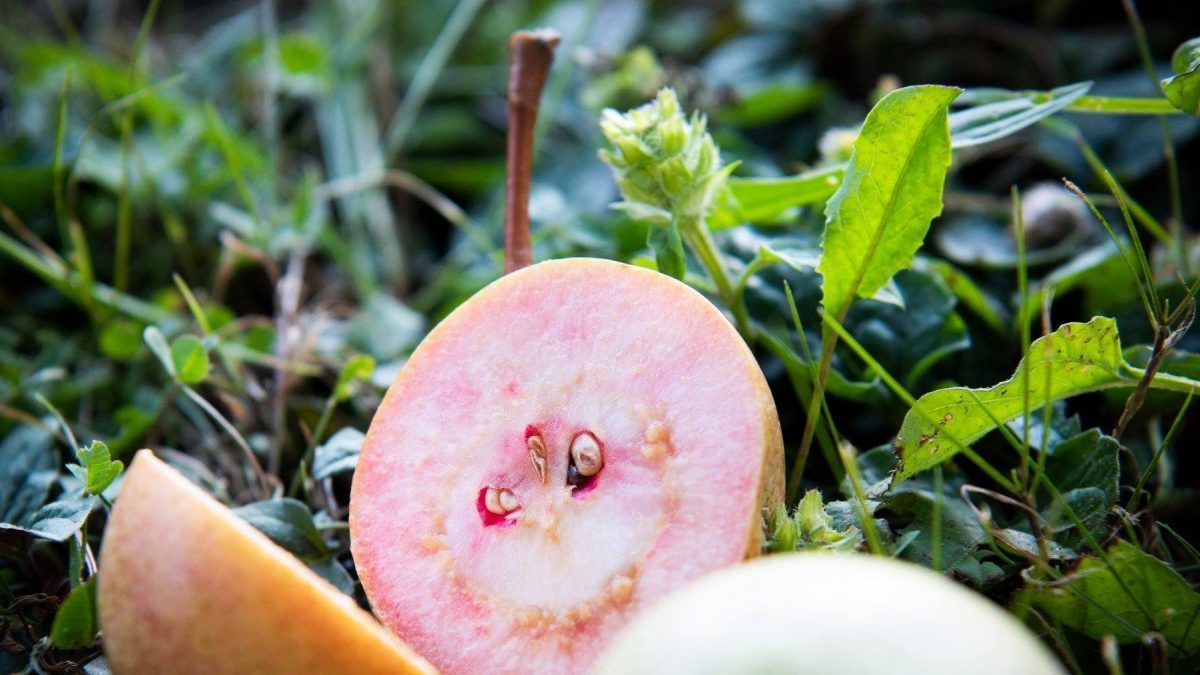
Have you ever come across a fruit that, at first glance, might look like a small watermelon? Well, chances are you've had the pleasure of encountering the Cocomerina pear (watermelon pear): a curious name for an equally intriguing fruit. Despite its misleading name, it has nothing to do with watermelon: it's a variety of pear with a green skin and a pinkish, reddish interior, characteristics that make it similar in appearance to a mini watermelon. Its flavor? A fusion of sweet and tart, capable of surprising you from the first bite. Let's discover what it is, its characteristics, and uses of the cocomerina pear in the kitchen, starting with its curious name.
Why is It Called Cocomerina Pear?
Nature, with its infinite variety and creativity, often surprises us with unexpected gems of beauty and flavor: the cocomerina pear is a perfect example. At first glance, its green-streaked skin and reddish flesh might make one think of a smaller version of watermelon, so much so that in Italy it has earned the affectionate nickname of cocomerina pear, watermelon pear, or, again due to its color, drunken pear. Yet, when you taste it, you immediately realize that appearances can be deceiving. Instead of the sweet, watery flavor typical of watermelon, the palate is caressed by a delicate sweetness, interrupted by tart notes, and a crunchy texture reminiscent of more traditional pears.
Although its exact origin remains shrouded in mystery, most experts and food historians agree that its birthplace lies in Asia. Some sources suggest it may have originated in China, where ancient pear varieties have been cultivated and prized for millennia. Other hypotheses see it emerging from regions of Central Asia, places of passage and cultural exchange between different civilizations.
Regardless of its precise origins, what is indisputable is its ability to enchant and captivate. The watermelon pear, in fact, has not remained confined to its homeland: through trade routes, exploration, and migration, it has embarked on a journey that has brought it to markets and tables on distant continents. From a virtually unknown fruit reserved for small communities, it has become a sought-after delicacy, a symbol of exoticism and refinement. Its presence in markets around the world testifies not only to its unique flavor and culinary versatility, but also to its ability to adapt and flourish in diverse climatic and cultural conditions.
Production in Italy
In Italy, the Cocomerina pear is grown in the Cesena Apennines, in Emilia Romagna. It has been somewhat neglected, especially since the 1950s, due to intensive cultivation, which has given way to more resistant varieties. Today, however, the Cocomerina pear has become a very important product for Ville di Montecoronaro, a small but industrious community in the province of Forlì-Cesena, which grows, protects, and promotes it, even through dedicated events and festivals.
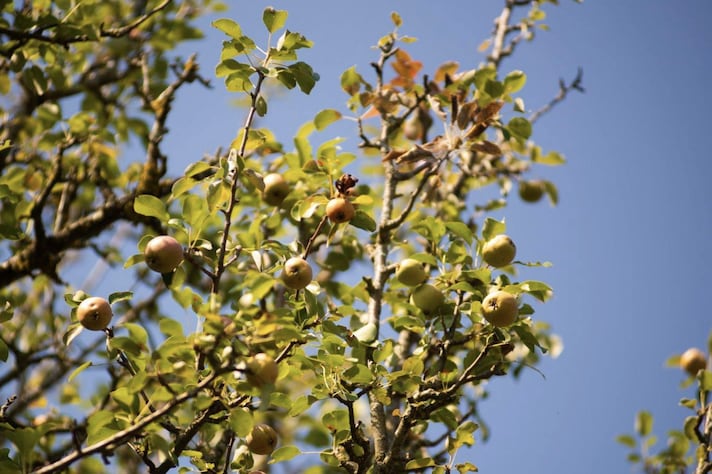
Like many other pear varieties, the watermelon pear is grown on medium-sized trees. Once mature, the plant can produce fruit for many years. Cultivation is done using traditional methods, paying particular attention to pruning and pest control. Cocomerina pears are typically harvested between late summer and early autumn, depending on whether they are early or late varieties. It is essential to pick the fruit at the right time, when they have reached the right level of ripeness, to fully enjoy all their nuances.
Cocomerina Pears' Characteristics
The watermelon pear has a thin, green skin and crisp, pink flesh, a color that deepens as it ripens. Its crunchy texture makes it particularly pleasing to the palate, offering an interesting contrast to the softness of other pear varieties. Upon first taste, it reveals a flavor that perfectly balances sweetness and acidity. This combination makes it particularly refreshing and thirst-quenching. The aroma is delicate and slightly floral, with a hint of freshness reminiscent of summer fruits.
Cocomerina Pear's Benefits
You may not know it, but the watermelon pear is rich in vitamins and minerals. Furthermore, thanks to its low calorie content, it's ideal for those following a balanced diet. Let's take a closer look at its unique characteristics.
- Rich in vitamins and minerals. It is a rich source of vitamins, especially vitamin C and vitamin K. It also contains a good amount of potassium, which contributes to proper muscle function and blood pressure regulation.
- Digestive aid. Thanks to its fiber content, it helps regulate bowel movements and promote healthy digestion. Regular consumption can help prevent constipation and other digestive disorders.
- Antioxidant and anti-inflammatory properties. Watermelon pear contains natural antioxidants that help fight free radicals in the body, reducing the risk of chronic diseases and slowing the aging process. Its anti-inflammatory properties can also help reduce inflammation in the body, helping prevent many related diseases.
- Low calorie. For those watching their weight, this fruit is ideal. With its low calorie content and rich nutrients, it's a perfect snack for those who want a healthy and tasty treat without the guilt.
Uses and Combinations in The Kitchen
The watermelon pear, thanks to its fresh flavor and unique organoleptic characteristics, offers numerous culinary uses. Here are some suggestions on how to get the most out of it:
- Fresh consumption: Extraordinarily tasty when eaten fresh. You can simply slice it and enjoy it as a healthy snack or after a meal.
- Fruit Salads: An excellent ingredient for making fruit salads. Combine it with other fresh fruits for a blend of flavors and colors.
- Salads: Add it sliced or diced to your green salads for a refreshing, crunchy touch. It pairs well with ingredients like walnuts, goat cheese, and arugula.
- Sauces and dressings: You can make watermelon pear sauces to accompany meat or fish dishes. Blend them with ingredients like honey, mustard, and balsamic vinegar for a uniquely flavorful sauce.
- Desserts: Use it to make delicious desserts, such as tarts, tarte tatin , or cakes. Its balanced flavor will add a special touch to your sweet creations.
- Cocktails and drinks: Use it to create refreshing cocktails. You can also use it to make fresh fruit juices.
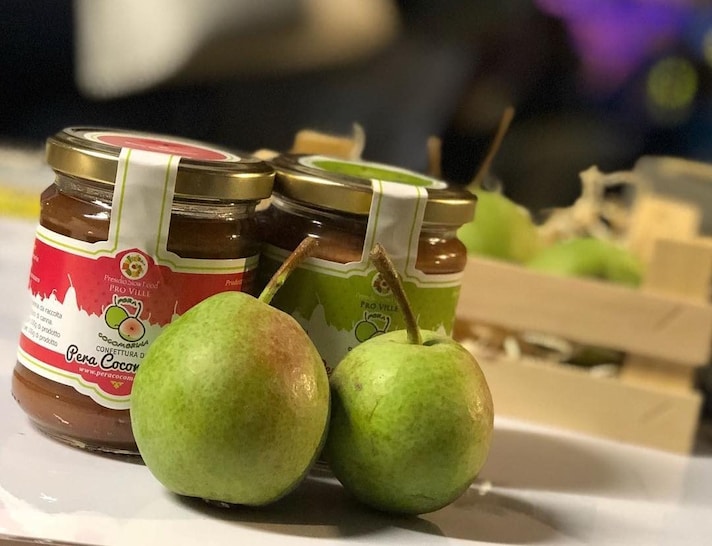
- Jams and preserves: If you enjoy DIY cooking, consider making watermelon pear jams or preserves. These delicacies can be enjoyed year-round.
How to Store Cocomerina Pear
Like its "sisters," it should be stored in a cool, dry place. If it's not yet ripe, it can be left at room temperature until it reaches the desired level of ripeness. Once ripe, to prolong its freshness, it's best to store it in the refrigerator, away from other fruits that could accelerate the ripening process.
;Resize,width=767;)
