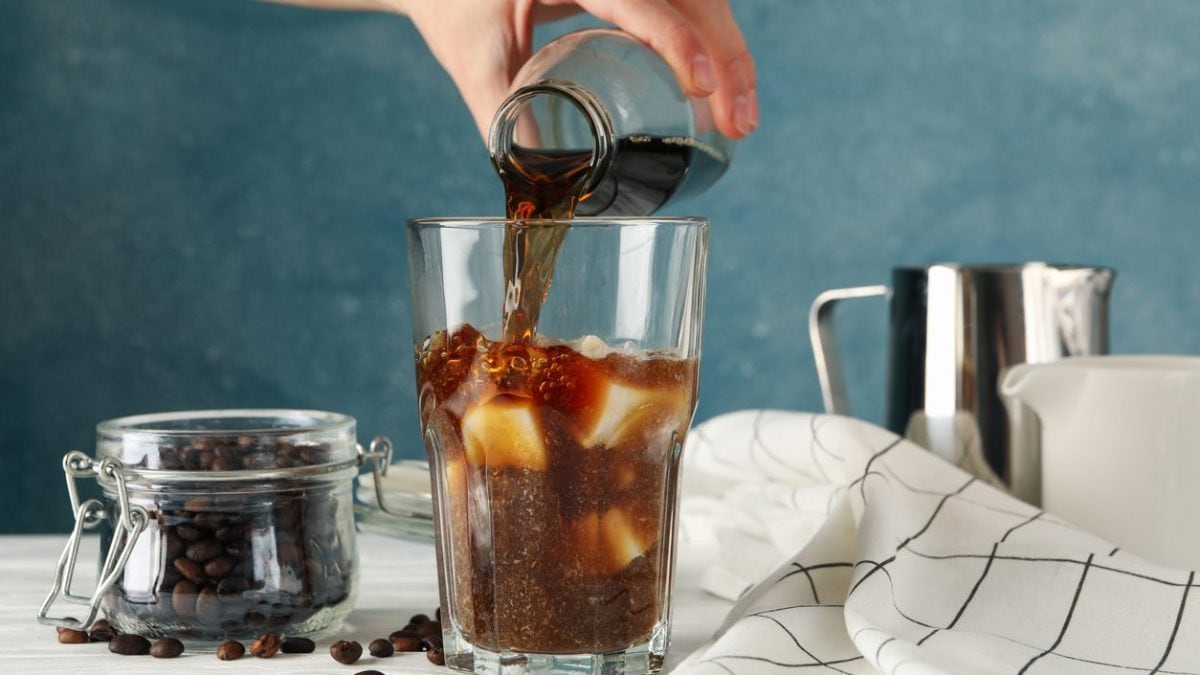
A glass filled with ice, sparkling mineral water rising in small columns of bubbles, a slowly poured freshly brewed espresso, a few drops of lime, and even a pinch of salt. On social media, they call it the "espresso bomb" and describe it as the ideal drink to beat the heat: energizing, thirst-quenching, and, according to some, even capable of helping to combat the after-effects of a heavy night out.
The success was immediate, fueled by short videos, layered aesthetics, and that perfect mix of curiosity and promise that social media can transform into a trend in a matter of days. But behind this viral explosion lies a more interesting, and perhaps more uncomfortable, question: are we really looking at something new? Here's everything you need to know about a drink that seems revolutionary, but actually says much more about how it's changing the way we drink coffee.
A Trend That Comes From Afar
Upon closer inspection, the answer is less clear-cut than it seems. The idea of combining espresso and sparkling drinks actually originated in the Nordic specialty coffee world, around 2007, when the espresso tonic appeared in some Scandinavian cafés. A simple yet unusual combination, it breaks with the traditional ritual of the cup and brings coffee closer to the language of drinks.
From there, the preparation slowly spread, crossing markets and cultures, until it reemerged today with a new name and a new narrative. The espresso bomb is nothing but the latest iteration of this family: more social, more built around the idea of well-being and performance, perfectly aligned with digital dynamics.
How It's Made and Why It's So Successful
The "espresso bomb" is constructed like a small scene inside a glass, and this is precisely where much of its charm lies. It starts with ice, which fills the bottom and creates the thermal contrast, then mineral water, still or sparkling, is added, often enriched with a few drops of lime and a pinch of salt. At this point the espresso comes into play, slowly poured over the cold liquid: the coffee lingers on the surface for a few moments, creating a layered effect that has become the drink's visual signature. The bubbles continue to rise, the color separates and then mixes, transforming the preparation into a small visual spectacle even before it is a taste sensation. It's a simple construction, but designed to be looked at as well as drunk, perfectly in tune with the aesthetic that has made it a success on social media.
Energy, Freshness And… A Cure for Hangovers?
Much of its popularity is due to its promise: online, it's presented as a beverage capable of providing energy, hydration, and even counteracting the effects of alcohol. A sort of "natural" alternative to energy drinks.
Yet, when we move from story to fact, the picture changes: the stimulating effect is the well-known one of the caffeine contained in espresso, which remains unchanged regardless of the presence of sparkling water or other ingredients. There is no evidence that this combination improves the absorption of caffeine or amplifies its effectiveness.
Even more fragile is the idea that it can help you get rid of alcohol: caffeine can reduce feelings of tiredness, but it doesn't affect blood alcohol levels. The impression of feeling more alert is real, but it doesn't correspond to actual recovery.
Salt and lime, often cited as “functional” elements, actually play a simpler and more concrete role: they enrich the taste profile and contribute to hydration, without introducing extraordinary effects.
But There Actually Was an Italian Precedent!
Yet, observing this transformation, a familiar sensation emerges: because the idea of adapting coffee to the heat is not at all new, at least in the Italian context. In the South, practices that move in the same direction have long existed. The coffee granita in Sicily, with its dense and refreshing consistency, or the iced coffee popular in Naples, represent different ways of diluting and cooling the espresso, sometimes even with sparkling water, making it more suitable for high temperatures.
The espresso bomb is thus part of a broader trend, in which coffee is moving beyond the confines of the cup and into the realm of drinks. It's no longer just a codified ritual, but a base to be transformed, combined, and described.
;Resize,width=767;)
