The world of gastronomy is constantly evolving. Social media has accelerated this process over the years, transforming insights and experiments into true gastronomic trends: culinary fads capable of conquering feeds and tables for a certain period of time. Healthy food, matcha latte, poke, smash burgers, and Dubai chocolate are concrete examples of how a product or style can become global phenomena in a matter of months. And it is precisely in this scenario that a flavor like fricy can go viral: it is the next chapter in the evolution of taste, ready to take center stage in 2026 with its explosive combination of fruity and spicy.
When Fruity Meets Spicy
According to the BBC, fricy will be one of the most popular terms in 2026. The word is a playful fusion of "fruity" and "spicy." Following the rise of swicy (sweet + spicy), this year's market seems to be moving toward a fresher, more natural version. While swicy was primarily based on the combination of sugar and chili pepper, fricy shifts the focus to the fruity component, including acidity, juiciness, and overall flavor profile.

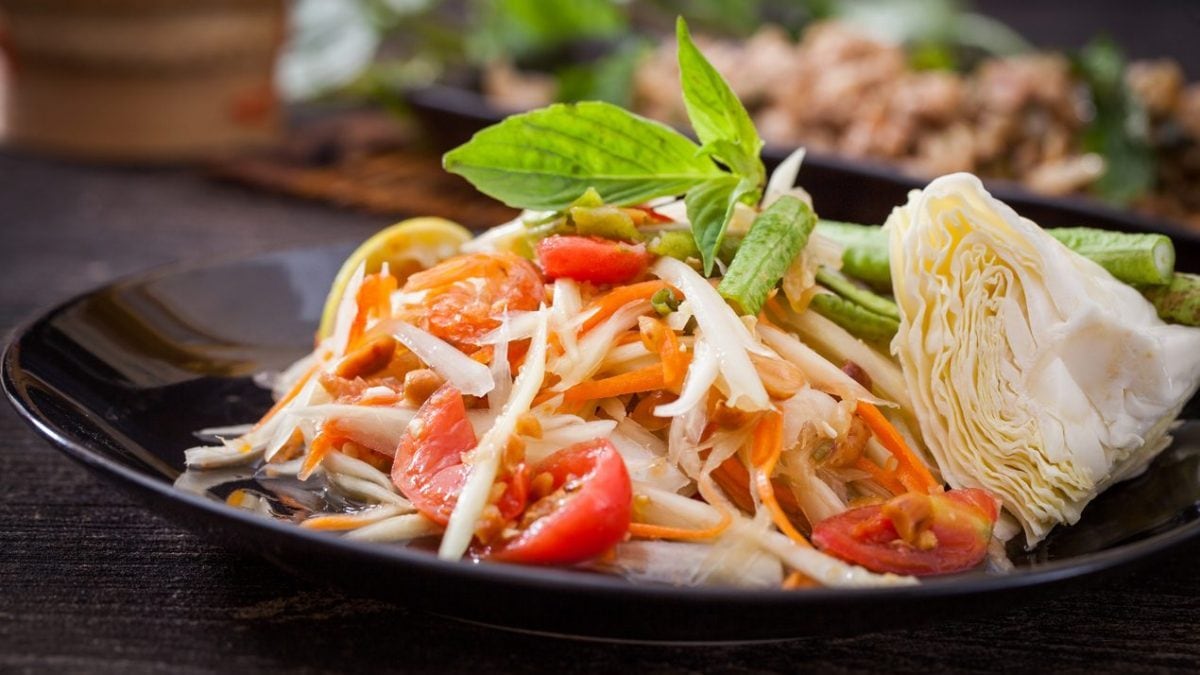
Clearly, this phenomenon didn't arise out of nowhere. In various culinary traditions, the combination of fresh fruit and hot spices has long been established. In Mexico, for example, it's common to eat mango or melon with lime and chili powder; in Thailand, salads like som tam feature the combination of green papaya, lime, and chili; in Japan, yuzu kosho combines citrus and chili in a sort of aromatic paste as a condiment. Fricy, in this sense, represents a contemporary reworking of already established practices.
According to the British broadcaster, the trend is driven by several factors: the search for non-standard taste experiences and an interest in international cuisines. The focus on healthy foods continues in this trend, so much so that it's also popular for its ingredients, which are perceived as more natural than refined sugars. The beverage industry is also picking up on this trend, with cocktails and mocktails that combine passion fruit and jalapeño, watermelon and chili pepper, grapefruit and ginger. Whether it becomes a structural phenomenon or remains a seasonal trend will depend on the market response in the coming months.
;Resize,width=767;)
