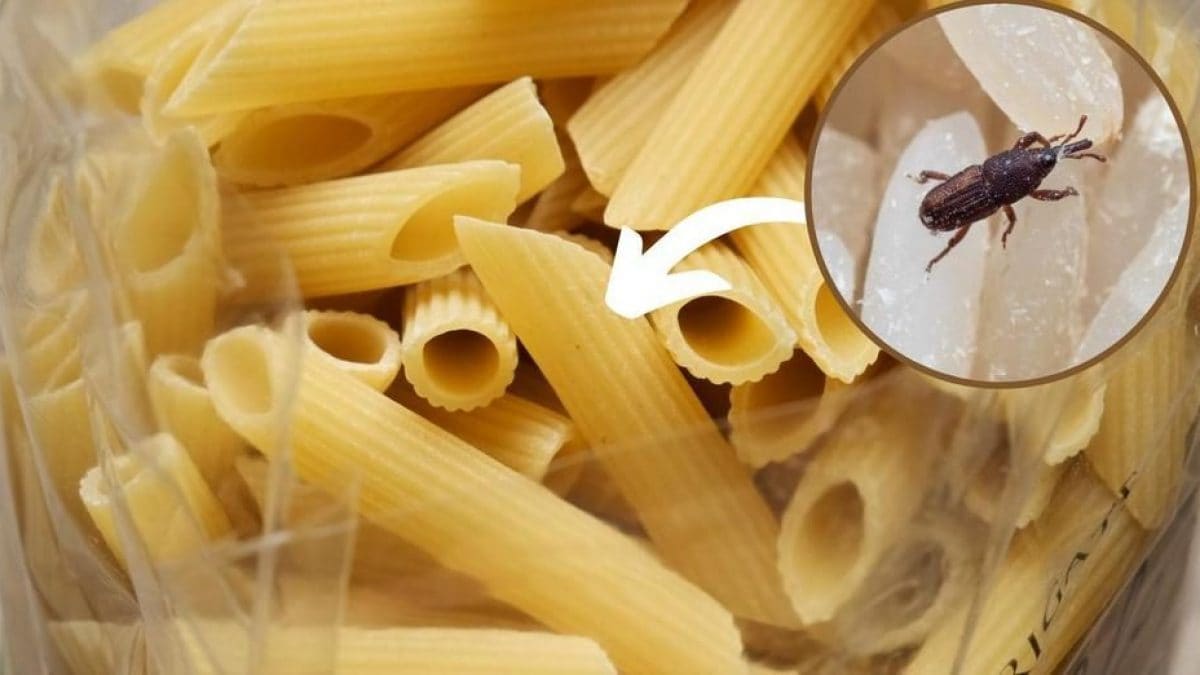
The grain weevil, also known as the calandra weevil, rice weevil, or pasta weevil, is a small, particularly voracious and invasive insect that attacks and feeds on cereals and their derivatives. Its scientific name is Sitophilus granarius, it belongs to the Curculionidae family, and its size does not exceed 5 millimeters: it lays its eggs inside the wheat grain, where it survives, even "inhabiting" our pantries. Tracking it down isn't always easy, but once found, it's easy to eliminate this small brown beetle and restore order and hygiene to our kitchens. How do you combat the grain weevil? How does it get into our cupboards, and how can you eliminate it? We're here to explain.
What is Grain Weevil and How Does It Reproduce?
The grain weevil is a tiny, dark brown weevil whose scientific name is Sitophilus granaius. The grain weevil has small legs and a long, particularly resistant beak. It is wingless, and therefore is considered a flightless insect. How do weevils end up in our pasta and rice packages?
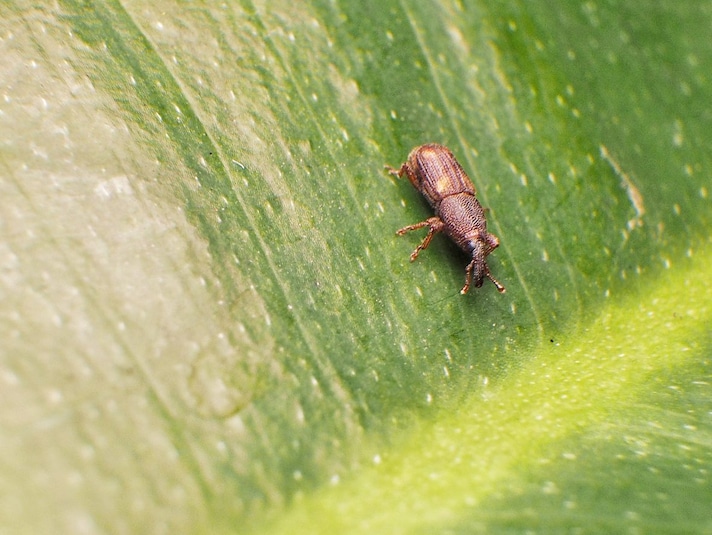
After hollowing out the grains with their beaks, female weevils lay an egg in each seed. This process, which always occurs in warehouses where grains are not perfectly preserved and therefore have ideal conditions, can take up to ninety days, and each female can lay more than 200 eggs (can you see why this is a truly invasive insect?). After about two weeks, the eggs hatch, revealing a small larva that survives by feeding on the starch in the grains for about a month. After this time, the weevil reaches maturity, emerges from the grain, and becomes visible.
How to Recognize a Grain Weevil Infestation
There are some signs you can look for to determine if a wheat weevil infestation is starting in your pantry.
- Small holes. The presence of small holes in food packages is a clear sign of the presence of the weevil.
- Adult insects. They are small, reddish-brown insects, about 3-4 mm long.
- Larvae. Small white worms found inside food.
How to Eliminate the Grain Weevil
The grain weevil can pierce plastic, paper, and fabric packaging, and you're probably the one who brought it into your home by purchasing a package of pasta or rice already contaminated with eggs. The good news is that eliminating this annoying little pest is very simple, and unless the infestation is uncontrollable, it can be done without using pesticides or chemicals. Here's how:
- Check your pantry carefully: if you find some dusty grain residue, it's very likely that weevils have found a welcoming space in your kitchen;
- Empty the cupboard completely: it is important to throw away anything that may have been contaminated;
- Check every package of pasta, rice and cereals: throw away any that have already been infested or any about which you have even the slightest doubt, they are no longer edible;
- Don't leave food uncovered: even crumbs can attract insects;
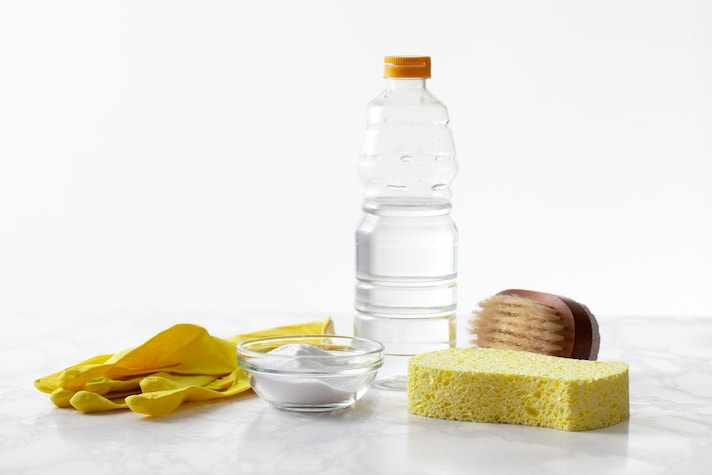
- First clean all the surfaces of the pantry and drawers with a vacuum cleaner and then with water and vinegar;
- If you can, store pasta, rice and cereals in hermetically sealed glass containers: these are the only ones that wheat weevils cannot enter;
- Use pheromone traps. Pheromone traps are an effective method for monitoring and capturing adults.
Regardless of the presence of these small insects, it is advisable to thoroughly clean the cupboard at least once every two weeks to avoid annoying "presences".
;Resize,width=767;)
