Today, many elements of cuisines completely different from our own have become part of our daily lives. We've imported much from Chinese cuisine, especially condiments like soy sauce, but there are still many other preparations with which we're less familiar and yet to be discovered.
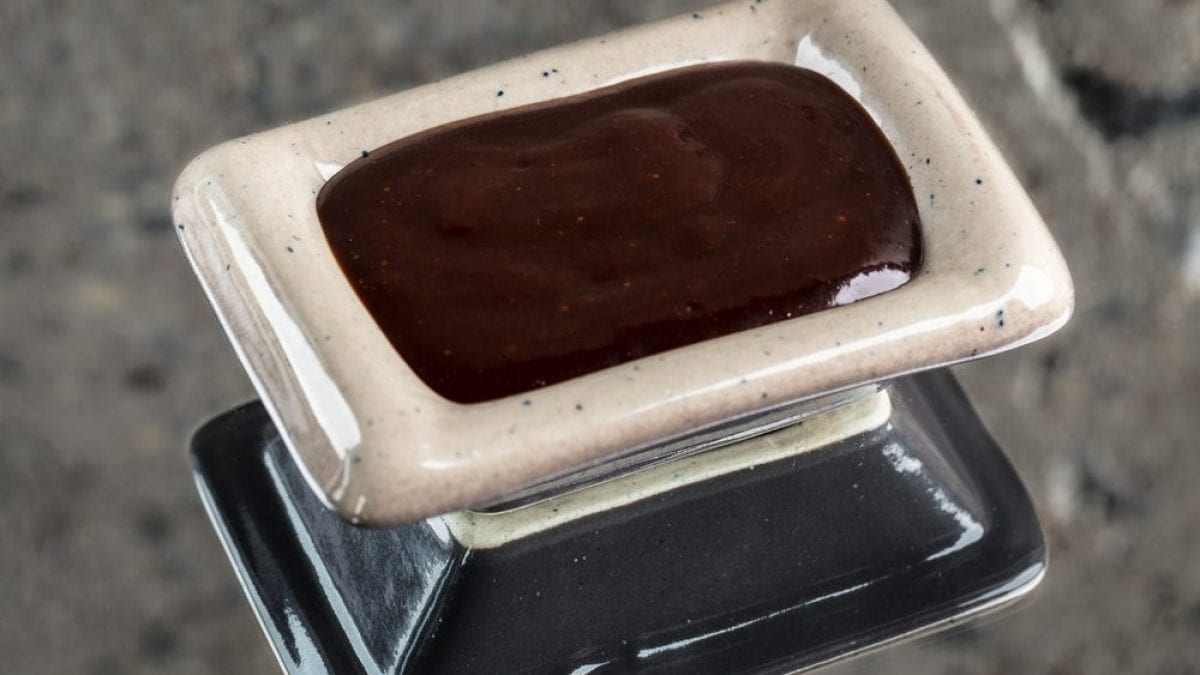
A perfect example is hoisin sauce, a widely used sauce in Chinese (but also Thai and Vietnamese) cuisine, beloved for its thick consistency and distinctive flavor, a mix of sweet and sour, salty, and spicy. It's ideal for glazing various types of meat, but can also be used on sautéed vegetables or poured into small ceramic bowls as a side sauce, for example, for dipping spring rolls.
Here's everything you need to know about hoisin sauce, which you can easily buy online, at specialty food stores, or in the ethnic food section of most grocery stores, or you can try making it at home.
What is Hoisin Sauce?
Hoisin sauce is a sauce used as a condiment in Southeastern cuisines, particularly Vietnamese, Thai, and Chinese. It is characterized by its very dark brown color, its particularly thick consistency—which makes it an ideal accompaniment—and its distinctive, very pungent flavor.
Hoisin sauce, in fact, is also known as “Chinese barbecue sauce”, precisely because of its sweet and sour and spicy flavor resulting from the mix of ingredients that compose it, a combination of fermented soy, garlic, vinegar and usually chili pepper and a sweetener, even if over the centuries numerous variations have spread, each with its own peculiarities.

This sweet note distinguishes it from soy sauce, to which it remains a close relative: its main ingredient is soybeans, or rather fermented soybeans, then pureed. The name of this sauce hides a curiosity: the term "hoisin" derives from the Chinese word "hǎixiān," meaning "seafood." Paradoxically, the sauce contains no seafood, but its name recalls its original association with fish dishes.
How to Use Hoisin Sauce in Cooking
The uniqueness of hoisin sauce lies in its distinctive flavor, simultaneously salty and sweet. It can sometimes be a bit strong for those unfamiliar with it, so if you're new to Asian cuisine, it's best to use it sparingly in recipes.
Hoisin sauce's primary use is as a glaze for meat, especially red meat: not only does it make it more tender and succulent, but it also adds a unique flavor, both sweet and savory and spicy. The most famous example of this use is an iconic Chinese dish, the famous Peking duck.

In the East, hoisin sauce is also widely used to flavor stir-fried vegetables (it's widely used this way in Vietnam), added to rice and noodles, to marinate meat or fish, or as a filling for baozi. It's also found as an accompanying sauce for dipping dishes like spring rolls, ravioli, and other foods, both fried and unfried.
;Resize,width=767;)
