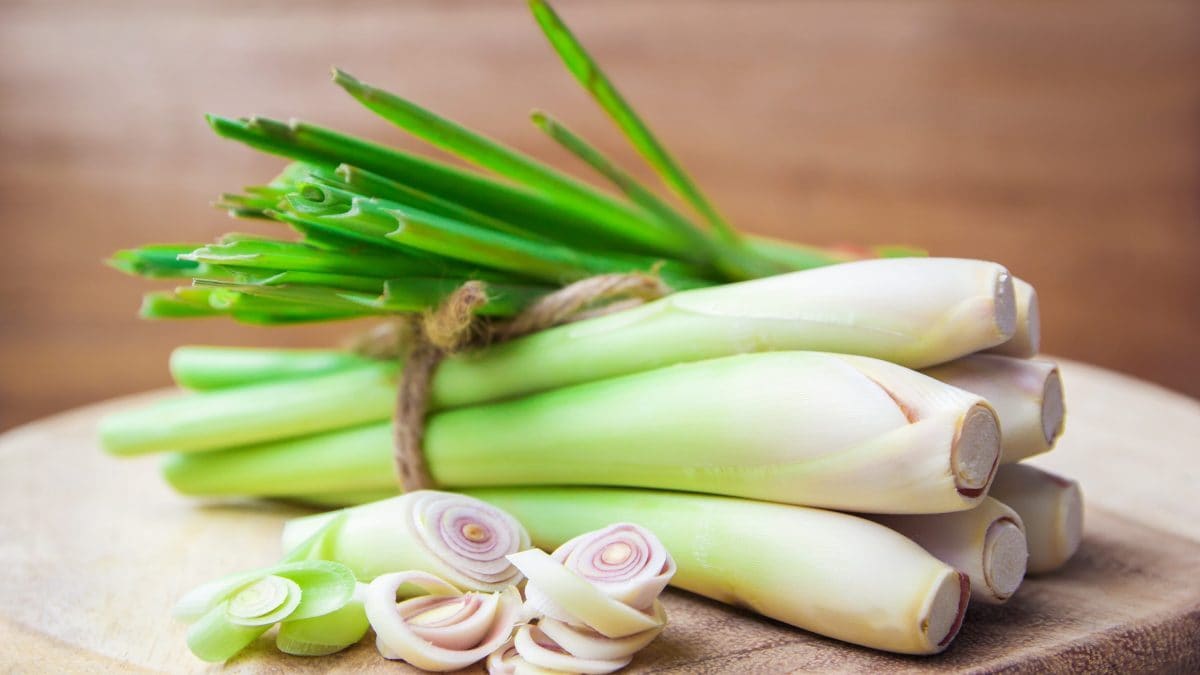
When the warmer months arrive, every home's garden fills with a distinctive scent: that of citronella. The extract of this plant, native to Asia, has the amazing ability to repel mosquitoes. What you might not know, however, is that citronella's uses are much broader than you might imagine. "Citronella," in fact, is simply one of the names for lemongrass, a plant belonging to the Gramineae family that you've probably heard mentioned on more than one cooking show. It's a fundamental element of Thai and Vietnamese culinary traditions, where it's used in curries, soups, and meat, fish, and vegetable dishes, but it's now quite easy to find in the U.S. too, for example in ethnic shops.
Loved for its intense scent and pungent flavor, lemongrass also boasts a host of properties and benefits that make it widely used in cosmetics and herbal medicine. Here's everything you need to know about the characteristics, properties, and uses of this precious plant.
What is Lemongrass?
Lemongrass is an evergreen herbaceous plant called Cymbopong flexuosus. It belongs to the Poaceae family, commonly known as grasses, and is native to Southeast Asia. Although this plant is known, primarily, as a mosquito repellent—its intense lemony scent is a natural repellent—it's actually an ingredient that can also be used in food: not only is it refreshing and delicious, but it also has a host of beneficial properties that benefit the body in many ways.
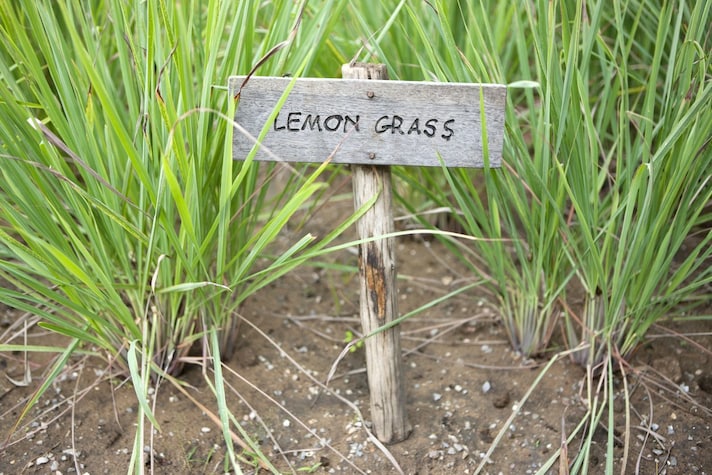
Precisely because of its rich nutritional profile, lemongrass is also widely used in cosmetics and herbal medicine. Similar in appearance to the leek but smaller in size, it can be used fresh, dried, or powdered, and each part—leaves, stem, and bulb—has a specific use in a particular context, whether culinary or medicinal.
Lemongrass' Properties and Benefits
Lemongrass was known as the "fever herb" as early as the time of Alexander the Great. Since ancient times, the plant has been used as a remedy for seasonal ailments, and even today it is the main ingredient in Khada soup, popular throughout Southeast Asia as a remedy for the flu. Lemongrass is a plant particularly rich in benefits for the human body, on which it acts positively in several ways.
Lemongrass is low in fat and calories (just 30 calories per 100 grams), but it's rich in carbohydrates and contains small amounts of protein. Thanks to this profile and the essential oils it contains, it's a highly beneficial food: specifically, it's a powerful natural stimulant that helps combat physical and mental fatigue, and it's highly valued as a digestive aid because it protects the entire digestive system (especially the stomach and colon). Lemongrass is also a powerful anti-inflammatory that works particularly well on muscle and joint pain, but is also very useful for circulatory problems.

As you well know, its essential oil, obtained by processing the stems and bulbs, is widely used as an insect repellent due to the ability of its fragrance to repel mosquitoes and other insects, but perhaps you don't know that it is also widely used in the world of cosmetics: citronella oil, in fact, is an excellent purifier that helps cleanse the skin and treat acne, because it reduces sebum production and improves skin texture. Finally, lemongrass leaves are also used in the herbal field, especially dried to prepare a lemongrass infusion, very useful as a drink with a calming, digestive and immune system-supporting effect.
How to Use Lemongrass in Cooking
In cooking, you can use the lemongrass bulb and stem fresh, dried, or ground. The bulb is generally used chopped or crushed and in small quantities because it is particularly aromatic, while the latter is often used fresh and sliced. Lemongrass is widely used in Asian cuisine, combined with other spices typical of Indian, Thai, and Vietnamese cuisines.
It's a staple in the famous sweet and sour soups typical of Thai cuisine, where it's paired with coconut milk, kefir, ginger, meat, and fish. The most famous is Tom Kha Gai, or Thai soup, a rich one-pot dish made with coconut milk, chicken, and spices, to which lemongrass adds a pleasant citrusy note. Lemongrass is excellent for marinades, especially when combined with coriander, garlic, chili pepper, coconut milk, and soy sauce. You can use this mix to marinate white meats and fish of all kinds, infusing them with its signature fresh, citrusy flavor reminiscent of lemon.
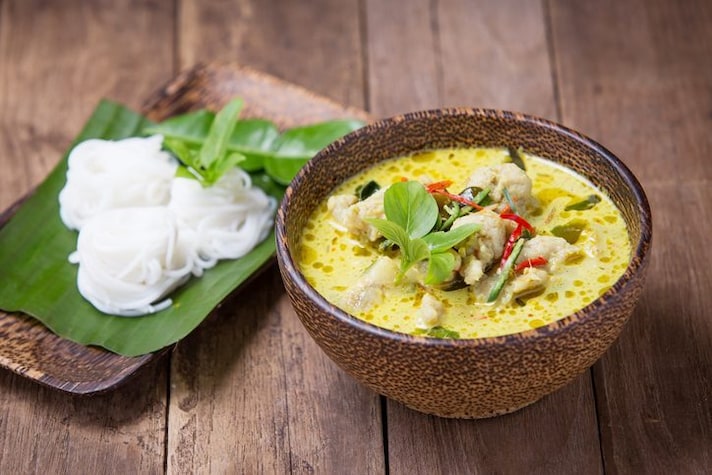
Lemongrass also pairs very well with legumes, so you can add it as a flavoring to all soups, such as lentil soups or the classic mixed legume soup, but it's also great for flavoring broth. Its fresh, citrusy flavor also makes it ideal as a condiment, added to rice, pasta, vegetables, or even unmarinated but simply baked meat and fish, but also to create tasty sauces. It can also be used in sweet preparations, to add an exotic touch to doughs and fillings.
;Resize,width=767;)
