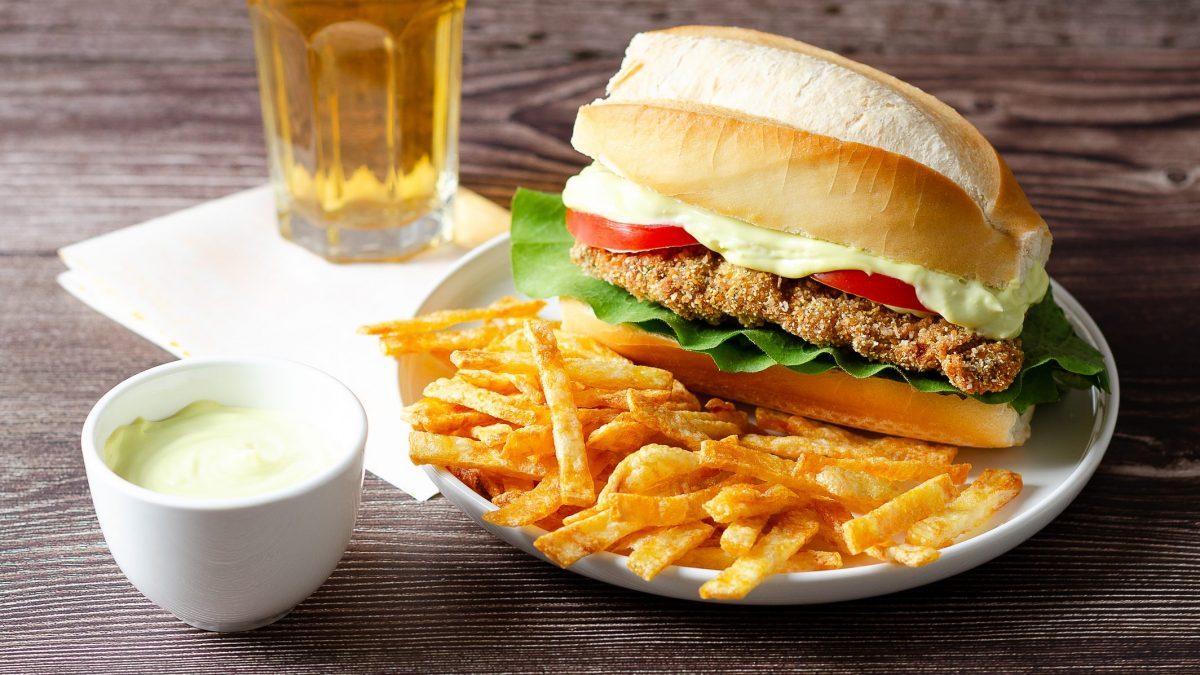
Let's get this straight: the milanga is much more than just a sandwich. It's a true institution in Argentina, a street food that rivals the fame of empanadas, so strong is its connection to popular tradition. Its hometown is Tucumán, in the northwest of the country, where the tucuman sánguche de milanesa is such a defining symbol of identity that in August 2024 it was inscribed on UNESCO's Intangible Cultural Heritage list for "its gastronomic, cultural, touristic, and social importance for the province." What are we talking about? A hearty sandwich featuring the Argentinean-style Milanese cutlet, known simply as milanesa, imported by Italian migrants and now a national dish, served in countless versions, including the "street" version, tucked into the middle of a long baguette-like bread and accompanied by vegetables and sauces. All that's left to do is discover it.
Milanga, From Italian Immigration to Social Networks
The history of the milanesa sandwich is rooted in the very Italian cotoletta alla milanese, which arrived in Argentina with immigrants at the end of the 19th century and has become a great classic, as it is for the Milanese, fondly recalling the cooking of their mothers and abuelas. In Tucumán, the most representative variant is the sánguche de milanesa, sold in typical sángucherias, informal establishments that have gained enormous visibility over the past few years thanks to videos on Instagram and TikTok, uniting on a page called Ruta de la Milanga, which includes more than 200.
If you visit San Miguel, the capital, they are a must-see. Here, there are two names to keep in mind: the first is Ramón “Don Luis” Brizuela, who opened his prefabricated kiosk in 1951 (now in its third generation) to sell the first sandwich. The second is José Norberto Leguizamón, better known as “Chacho,” a street vendor since 1973 who became a legend in the sector: the day of his death, March 18, 2010, was not coincidentally chosen as El Día del Sándwich de Milanesa, a deeply felt celebration throughout the country.

The milanga in San Miguel even has its own monument: a giant, burly little man in all white, ready to bite into a sandwich, which stands out as the only splash of color. Furthermore, since 2022, a national holiday has also been held in November, attracting many visitors to the city: you can taste different variations of the sandwich, participate in creative and timed eating competitions.
How to Make a Milanga Sandwich
Different countries have different sandwiches. And in Argentina, you certainly can't go wrong: the milanga, or "mila," as it's colloquially called, is made primarily of beef —instead of the veal required in the Lombard recipe— breaded and fried to a crispy consistency. The toppings vary from sandwich maker to sandwich maker, but the base is usually lettuce and fresh tomato, enriched with cheese, onion, and a fried egg. It can be flavored with hot or mild chili peppers, and with sauces like mayonnaise, mustard, or chimichurri. The bread is a key focus: the bread from Tucumán is called pan sánguchero, a mix between Viennese bread and a baguette, soft and fragrant, and toasted for a few minutes before serving.
;Resize,width=767;)
