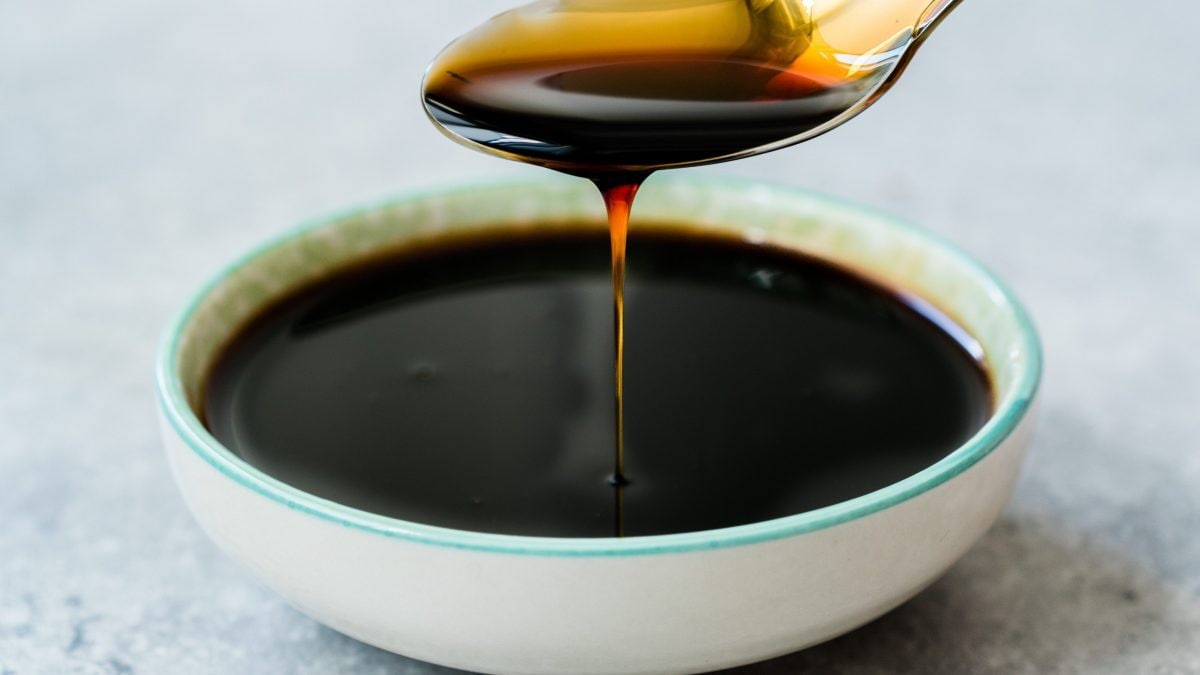
How many ways do we know to replace sugar in our diet? Maple syrup, honey, stevia, fructose: countless. However, not everyone knows that there's one, created by processing sugar, which is also rich in nutrients: we're talking about molasses, a natural sweetener made by treating sugar cane or beet juice. Extremely versatile and widely used in some countries like here, but also India, the Philippines, Brazil, and Thailand, it appears as a thick, viscous, brown liquid. However, there's more than just one type of molasses: let's see how many types there are and how to prepare it.
What is Molasses and Where Does it Come From?
The name molasses comes from the Portuguese melaçao, which in turn derives from the Latin mel, meaning "honey": the color and sweetness of molasses are, in fact, very similar to that of honey. Not all molasses are the same, however: depending on the product used, in fact, there are different variations, each with their own specific uses.
- The molasses obtained from sugar cane juice is what we commonly use in cooking, as a sweetener in recipes and drinks, or which is used in the preparation of rum.
- Molasses obtained from beetroot juice is mainly used in the preparation of animal feed or for the production of brewer's yeast.
- The molasses obtained from pomegranate is particularly used in Middle Eastern cuisine and is characterized by a slightly acidic flavor, making it an excellent substitute for lemon or vinegar for seasoning vegetables and salads.
Types of Molasses (Light, Dark and Blackstrap)
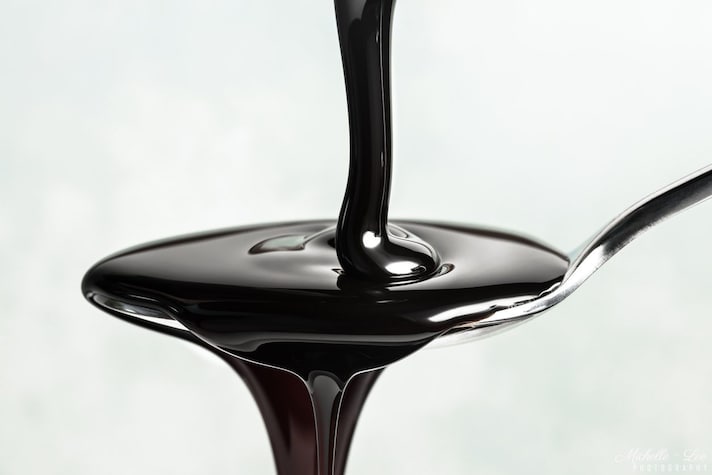
First, it's important to understand how molasses is obtained: sugarcane is crushed to extract the juice, which is then boiled until sugar crystals form. These are then removed from the juice: the crystals are then used to produce sugar, while the juice, or molasses, is subjected to one or more cooking processes and, depending on the number of processes, different types are obtained. The first boiling process produces a very sweet, amber-colored syrup with a high sugar content, defined as "light." With the second processing, the mixture becomes darker and the flavor slightly more bitter, and the name is associated with the adjective "dark." While the third and final cooking process produces what in America is called "blackstrap," much thicker than the previous ones and with a flavor very reminiscent of licorice.
The Molasses Paradox
Molasses was long considered a sugar byproduct and therefore unusable: in reality, molasses is a better product than sugar, despite being its "leftover." First of all, it has a greater sweetening power and a lower caloric intake, contains B vitamins, is rich in minerals such as magnesium, potassium, phosphorus, copper, calcium and a significant amount of iron, so much so that it is considered a valuable aid in cases of anemia. Precisely thanks to the high presence of minerals, as well as carbohydrates, it is classified as an energy-boosting food. Finally, it is an excellent antioxidant thanks to the presence of polyphenols.
A Sweetener With a Thousand Uses
Molasses is therefore an excellent substitute for regular table sugar, both for sweetening your favorite drinks and for making delicious desserts. It's important to remember, however, that its aromatic taste can alter the flavor of the final product, and since it has a greater sweetening power, it should be used in smaller quantities: 100 grams of sugar is equivalent to approximately 80 grams of molasses.
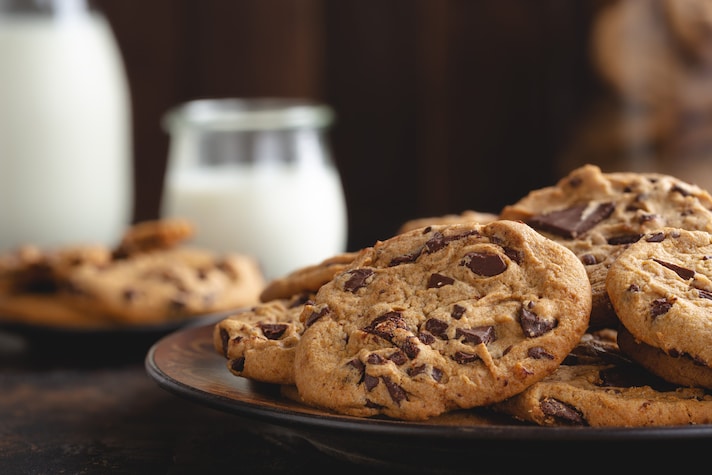
However, each molasses has its own specific use: light molasses is the one generally used as a sugar substitute and is in fact well suited to the preparation of cakes and biscuits (American cookies use the famous brown sugar, which is nothing more than molasses mixed with cane sugar). The second molasses, the darker one, has a less sweet flavor and goes very well with ginger or for flavoring meats before the barbecue.
Even the last type of molasses can be used to add a touch of extra flavor to your barbecue, or even, particularly in Boston, it is used to flavor their baked beans. It is also widely used as a supplement, due to its high nutrient content, but is not recommended in desserts due to its decidedly bitter flavor.
How to Make Molasses at Home
Molasses isn't easy to find in our supermarkets, so what can you do? You can buy it in specialized stores, such as organic ones or those selling typical American products, or you can easily make it at home: simply add 350 grams of raw cane sugar to 70 ml of water and melt over a low heat until it turns brown. Then, remove the saucepan from the heat and add 100 ml of hot water, stir again, and return to the heat until it reaches the right color and consistency.
Dark or Blackstrap Molasses
We've said that molasses can be divided into light, dark, and blackstrap, a typical American classification. But which of the three do we call black? Specifically, blackstrap molasses refers to the molasses that has reached the final possible processing stage, the third, or blackstrap. In reality, however, the term blackstrap molasses more generally refers to the molasses produced by the second or third processing stage: it is therefore a molasses that is definitely darker than the first, denser, and with a decidedly more bitter flavor. It can be used to season salads, grilled vegetables, or sweet and sour sauces; it's perfect for glazing meat before a barbecue or even as a pairing with cheeses.
Compared to lighter molasses, dark molasses is considered healthier: this is because, with each repeated cooking process, molasses loses some of its sugar content, making it less suitable for making cakes or biscuits. As the product undergoes further processing, it also develops a higher concentration of micronutrients, making it richer in minerals and vitamins.
;Resize,width=767;)
