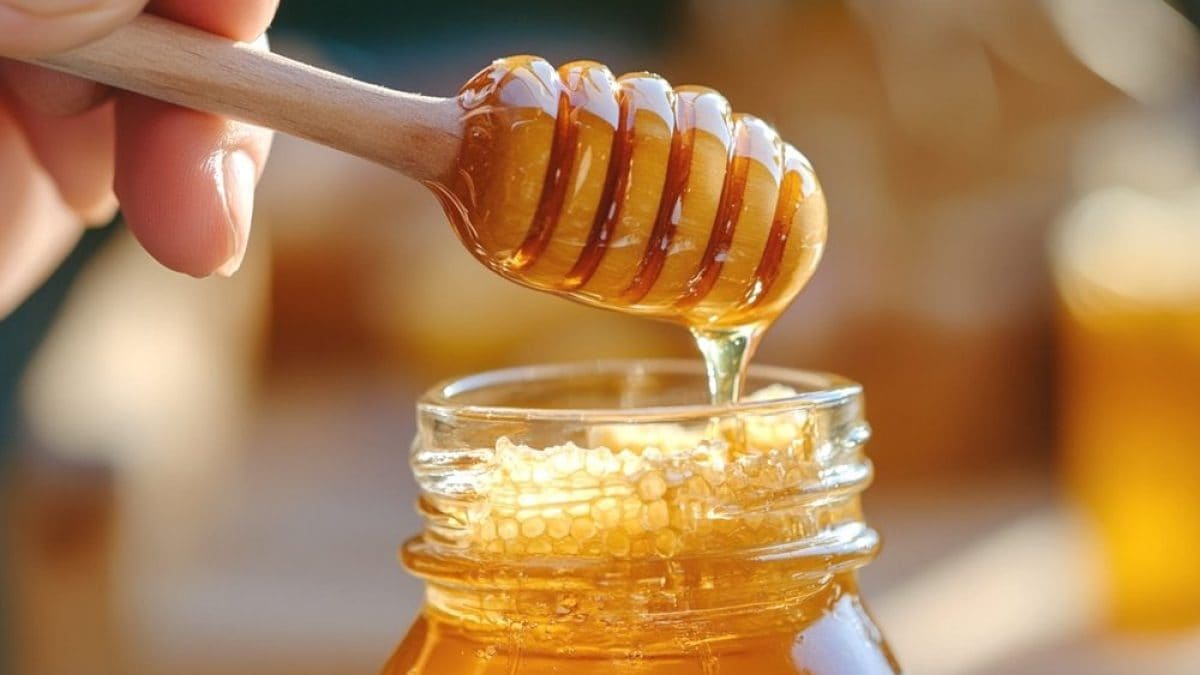
It's a well-known fact by now: when we talk about "honey," the most appropriate term would be "honeys," plural. This should be done to emphasize how vast (and fascinating) this universe is, where the protagonist is the incessant work of bees, useful for creating a delicious food since ancient times, but above all essential for preserving the biodiversity of an area (such as mountain honey), among flowers, plants and trees from which to extract the precious nectar. There are different varieties of honey depending on the raw material, but also on the processing: and this is where raw honey comes in, a product whose name alone suggests it is as close as possible to the original. Let's see what it is and why it is considered superior.
What is Raw Honey and What Are Its Characteristics?
Raw honey is honey that is extracted directly from the hive and bottled with minimal intervention, keeping its natural components intact. Specifically, it does not undergo pasteurization, a high-temperature heat treatment used industrially to make the product more fluid, stable, and visually uniform. Furthermore, it may still contain particles of pollen, propolis, beeswax, and royal jelly because it is not microfiltered: these are not impurities —such as bits of wood or other foreign bodies that are eliminated—but elements that contribute both to its nutritional profile and its aromatic complexity. Precisely because of these characteristics, raw honey tends to crystallize more quickly. Crystallization is not a defect, but a phenomenon linked to the proportion between the two sugars present in its original composition: when glucose is in a higher percentage than fructose, being less soluble, this causes the nectar to solidify more quickly, thus resulting in naturally more liquid honeys (such as acacia honey) and others that are more compact.
From a properties perspective, we know that honey is a powerhouse of well-being. Raw honey is said to possess greater benefits, preserving a higher quantity of bioactive compounds, given that it is not exposed to high heat during its processing. It therefore contains more antioxidants, phenolic acids, digestive enzymes, mineral salts such as potassium, calcium, iron, magnesium, B vitamins, and vitamin C, which contribute to making it an ally for our body.
Raw Vs. Pasteurized Honey: What Are The Differences?
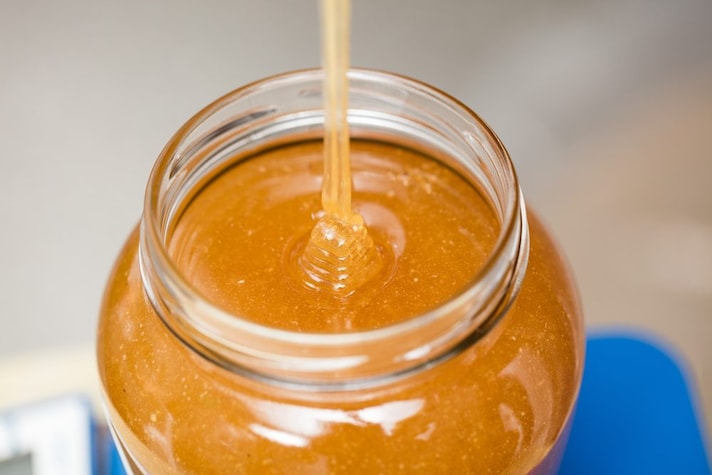
To understand specifically what raw honey is, it's useful to compare it with pasteurized honey, the type most commonly found on the shelves of large retailers. Commercial honey generally undergoes a heating process that exceeds 140-160°F/60-70°C. We know this as pasteurization and it is used for several reasons: to slow crystallization, making the product more appealing, and to neutralize any microorganisms that are dangerous to health, which are destroyed by high temperatures. However, we know that heat can significantly reduce the presence of enzymes and other components sensitive to increased temperatures, partially altering the honey's original characteristics.
Raw honey, on the other hand, follows a shorter supply chain and is handled in a non-invasive manner: after being extracted from the honeycombs, it is coarsely filtered to remove any residue and then transferred to jars. It is the artisanal product that passes from the beekeeper to the consumer, at markets or small direct-sale outlets, and it better reflects the local area where it was produced, compared to the more standardized nature of industrially pasteurized honey.
Please note: Raw honey does not present the risks of raw milk or raw eggs, as its composition (low water content, very high sugar content, over 80%, and an acidic pH) creates a hostile environment for bacterial growth. The only caution concerns children under 12 months, and concerns honey in general: it may contain Clostridium botulinum spores, a bacterium that the adult digestive system is able to inactivate. In infants, however, the intestine is not yet fully formed, leading to the risk of infant botulism, a dangerous, though rare, poisoning.
How to Recognize Raw Honey
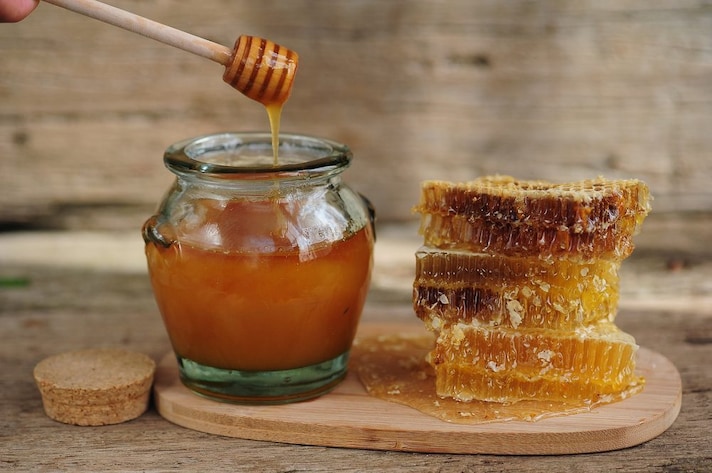
Honey is a staple in American kitchens, valued as a natural sweetener and versatile ingredient for baking, sauces, and dressings. However, finding high-quality, unprocessed honey can be tricky, as some products are adulterated or heavily processed. In the U.S., the FDA requires that honey labeling be truthful, but terms like “natural honey” are not strictly regulated, so they don’t guarantee raw or unheated quality. Look specifically for honey labeled “raw” or “unprocessed”, which indicates it hasn’t been heated above about 95°F (35°C)—temperatures higher than this can degrade delicate enzymes like invertase and reduce beneficial compounds. Many American artisanal beekeepers also include batch or hive information on the jar, helping consumers identify authentic, minimally processed honey.
;Resize,width=767;)
