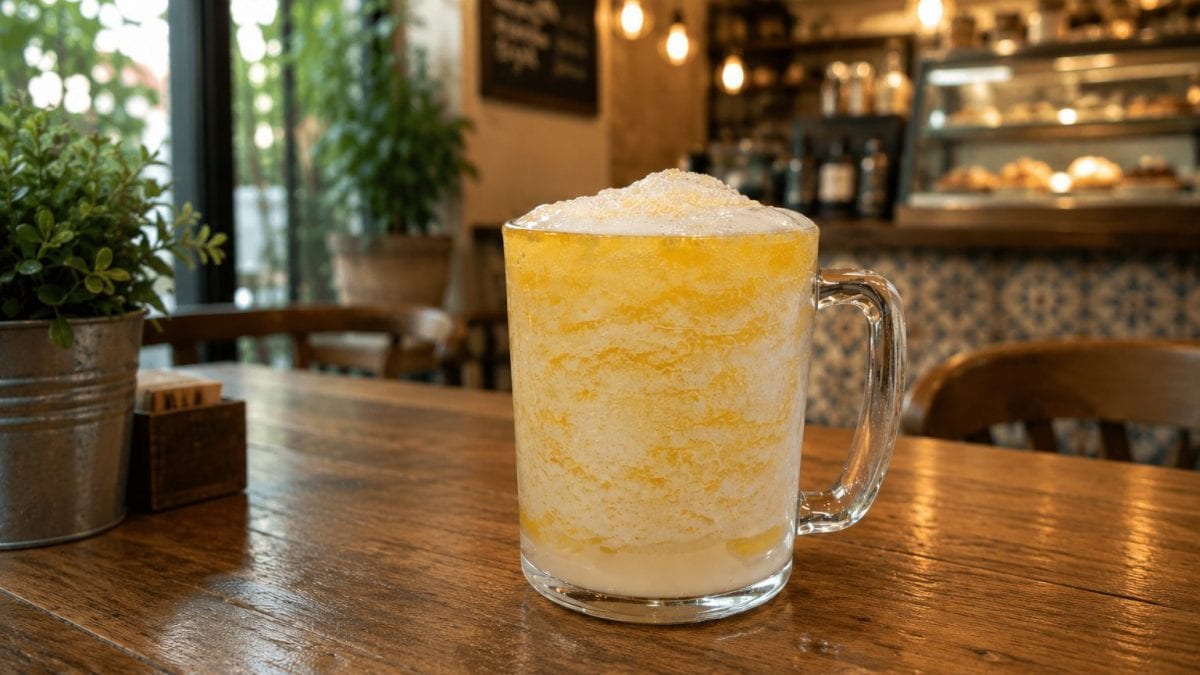
While at first glance it might seem like a drink created specifically for social media, snow beer is actually traditionally consumed in Ipoh, a city located in the heart of Malaysia. What makes it so fascinating are the intertwining of Malay, Chinese, and Indian cultures, an interesting local food scene, and wild, lush nature. So, between a hike and a plate of more or less spicy kai see hor fun noodles, you could also sit down at a bar and try a very special beer, with a dense, almost icy head on top (and beyond) that looks just like pure white snow.
What is Snow Beer and Why Is It Popular in Asia?
It's not a category of beer, a drink hiding a secret ingredient, and, to dispel any doubts, not even the most famous Chinese Snow Beer, a brand of lager produced by the China Resources Snow Breweries company, among the best-selling in the world. In this case, snow beer coincides with a specific method of serving beer in a chilled glass, a detail that alters its consistency, creating an unusual visual effect. When it's hot, an extremely cold beer becomes a panacea for the many enthusiasts of this alcoholic beverage: in various areas of Asia, characterized by a hot, humid and muggy tropical and subtropical climate, it's not at all uncommon to see ice cubes placed inside the glass. That's right: from Vietnam to Cambodia, passing through Thailand, in Southeast Asia beer is often served with ice to lower its temperature, an option considered heresy by experts – the same goes for white wine – as it risks watering it down by melting. But in these latitudes there is no one among the locals who is scandalized.
How to Prepare Snow Beer
Snow beer can be considered a more visually striking variation (and therefore perfect for Instagram and TikTok, so much so that it has gone viral in recent years) of ice beer, as it's prepared by keeping the mug in the freezer for a few hours, so that it's frozen when the drink is poured. The foam cools rapidly when it comes into contact with the glass, acquiring a denser and more compact consistency, in some cases comparable to that of a grenadine, which gives the beer a creamy and fluffy effect.
What is The Difference From a Traditional Beer?
We have seen that snow beer is not based on a specific beer, but the protagonists are generally lagers, therefore blonde, pale, bottom-fermented, light and drinkable beers, with a moderate alcohol content, a frothy but persistent head and a very low serving temperature, generally between 39°F/4°C and 44°F/7°C. The difference that immediately catches the eye compared to a beer that arrives on the table in the traditional way is precisely the texture, with the liquid part remaining confined to the bottom and the head obtaining the largest space in the glass. In terms of taste and smell, snow beer, being served around 32°F/0°C, is not appreciated for its aromas, attenuated by the cold, but it is ideal for refreshing and lasting a little longer, just like when you order an iced coffee shaken, which achieves its objective by providing relief from the heat, while you remain comfortably seated sipping it.

