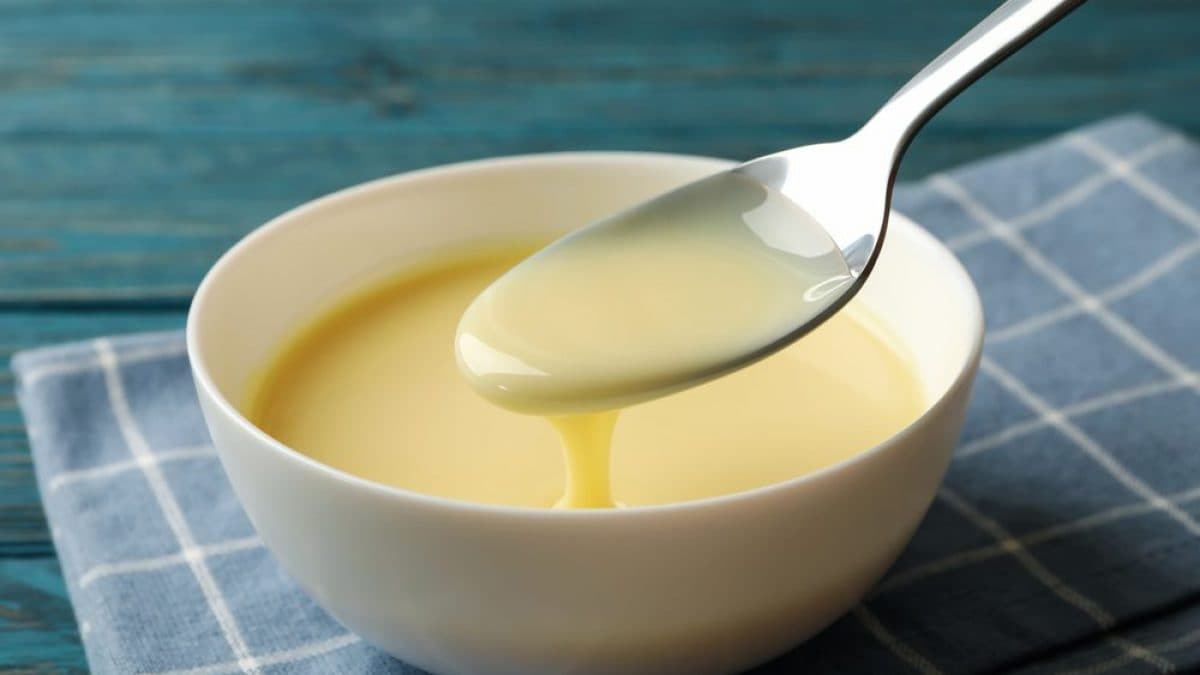
Have you ever heard of the suprême sauce? This name hides one of the most refined and versatile sauces in French cuisine: a delicate and creamy preparation, widely used first in noble kitchens, then in classic restaurants, and finally reinterpreted and modernized during the Nouvelle Cuisine era. But what makes this sauce so special? What are its secrets and how is it prepared? Here are the origins and characteristics of this sauce, a true classic of international gastronomy.
What is Suprême, the "Superior" Sauce of French Cuisine?
It's difficult to trace the origins of suprême sauce, as is often the case with recipes that are very old. The term suprême in French means "supreme," "superior," and this conveys the idea of the importance and prestige this sauce has always held in French cuisine.
It is a sauce that derives from one of the five mother sauces codified in French cuisines and then became the basis of international signature cuisine, fine dining as we would call it today: the velouté sauce, the hollandaise, the béchamel, the espagnole or brown stock, the tomato sauce.
From the first, that is, from the velouté sauce – a white base bound with a white roux – three other sauces derive: the Alemanna (called Parisian sauce by the Germans), the white wine sauce and our suprême.

The base of the suprême sauce is a white roux, made by cooking butter and flour, which is then diluted with chicken broth. Fresh cream is then added to make it creamy and flavored with lemon juice or vinegar to balance the richness of the sauce. Variations can also include additions such as egg yolks, herbs, chopped mushrooms, or grated cheese.
As we were saying, its origins are unclear: traces of it can be found in the "Dictionnaire de cuisine" of 1853, written by Pierre-Marie-Jean Cousin de Courchamps, and in the "Grand dictionnaire de cuisine" (1873) by Alexandre Dumas, who copied Courchamps' recipe, confirming the importance of this sauce in French gastronomy. Auguste Escoffier mentions it in "Ma cuisine" of 1934, describing it as a supreme sauce made with sour cream, and thus introducing a creamier and more delicate variant compared to the previous ones.
In 1964, Julia Child included a cream sauce or sauce supreme in her book "Mastering the Art of French Cooking" when discussing the enrichment of classic sauces; the American chef also mentions a variant, fish sauce supreme, used to season fish quenelles. The last written account of the sauce supreme and its role was left to us by the father of contemporary French cuisine, Alain Ducasse, in 2003: in his "Grand livre de cuisine, Bistrots, Brasseries, Restaurant de tradition," he describes a supreme sauce enriched with sour cream and egg whites, explaining how he used it to season Ain chicken (or Bresse chicken).
As far as we're concerned, aside from a quote from Giuseppe Verdi who apparently loved it along with capon, the one who talks about the supreme sauce is the gastronome and journalist Luigi Veronelli, who prepares it with a reduced broth based on mushrooms and cream, then using it to season boiled rice and roast chicken breast.

The Brand of Nouvelle Cuisine
Meanwhile, in the 1970s, the Nouvelle Cuisine revolution transformed French and international cuisine, streamlining and rationalizing all preparations, and introducing a touch of freshness to the richest and heaviest recipes. This was especially true for sauces, an essential element of French cuisine: thanks to Nouvelle Cuisine, chefs were also encouraged to experiment with new combinations and new hierarchies between the ingredients in dishes.
Nouvelle cuisine focused on simplifying recipes, eliminating superfluous ingredients and prioritizing the quality of raw materials: even the supreme sauce was revisited in a lighter way, reducing the amount of butter and using fresher, seasonal ingredients. To enhance its complexity and depth of flavor, it was enriched with fresh aromatic herbs, elements such as lemon or truffle, spices, and concentrated seasonal vegetables or fruits. The classic combinations of supreme sauce were overturned, introducing dishes that featured it with fish or seasonal vegetables.

How to Use Suprême Sauce
As we mentioned, supreme sauce is made with a white chicken stock (or chicken stock) and a classic roux made with butter and flour. The stock is combined with the roux, essentially creating a chicken cream soup: to this are added fresh cream, salt, and ground pepper. In addition to the herb and mushroom variations, another sauce has been developed from supreme sauce, the aurora sauce, which is made by adding concentrated tomato sauce or tomato puree to the supreme sauce.
But once made, how do you use supreme sauce? Its original vocation was to pair it with meat, especially white meats like chicken, turkey, and pork, but also with some more delicate cuts of red meat. Chicken supreme is one of the most classic dishes in international cuisine. In its classic version, it is often paired with boiled or steamed rice.

Since the 1970s, its lighter version has also been paired with fish, specifically white fish such as cod or turbot, or with more delicate shellfish. Supreme sauce can also be used to bind vegetable dishes, especially asparagus or artichokes, balancing their bitter notes.
;Resize,width=767;)
